

Otto von Bismarck, the German statesman who masterminded the unification of Germany in 1871 and served until 1890 as its first Chancellor, once said “If a general war begins, it will be because of some damn fool thing in the Balkans”.
Bismarck got his damn fool thing on June 28, 1914 when a tubercular 19-year-old leveled a revolver in Sarajevo and murdered the heir-apparent to the Austro-Hungarian throne Archduke Franz Ferdinand and his wife Sophie, Duchess of Hohenberg.
What followed could have been a regional conflict at worst, a local squabble between Austria-Hungary and Serbia, as the two settled issues going beyond the scope of this essay. Instead, mutually entangling national alliances brought about mobilization timetables moving vast armies according to predetermined schedules. Deep and abiding mistrust ensured that none would be the first to blink.
The cataclysm of the next four years would destroy a generation, and lay waste to a continent. The catastrophe could have been averted as late as the last day of July. By the first of August, mutual distrust had gone past the point of no return. By the time it was over, 18 million were dead or vanished and presumed dead, another 23 million, maimed.
The United States entered the conflict on April 2, 1917, leading to casualties of its own numbering 321,467.
The idea of honoring the unknown dead of the “War to End Wars” originated during the war itself, in Europe. A British Commonwealth soldier was the first to be so honored, laid to rest in Westminster Abbey on Armistice day, November 11, 1920.
Private Auguste Thien of the 123e Régiment d’Infantrie had the honor of final selection for the French Unknown Soldier. Today that single grave lies under the Arch of Triumph. The eternal flame above was first kindled by French Minister for War Andre Maginot, on November 11, 1923. That flame is re-lit each night at twilight, in solemn remembrance of the millions of French heroes who went to their final rest, in places unknown.


In 1921, the United States followed Great Britain and France in honoring its own unknown dead. A single unidentified soldier was selected each from the Aisne-Marne, Meuse-Argonne, Somme and St. Mihiel American cemeteries, and carefully examined, lest there be any clue as to identity. The remains were then transported to the Hotel de Villes, where Sergeant Edward F. Younger, himself a wounded combat veteran and recipient of the Distinguished Service Medal, had the honor of performing the final selection.
Passing between two lines of French and American officials, Younger entered the room. Slowly, he circled the four caskets three times, finally stopping at the third from the left. There Sgt. Younger placed a spray of white roses, drew himself to attention, and saluted.
With flags at half-mast and stern bedecked with flowers, the cruiser USS Olympia received the precious cargo and returned to the United States, arriving in the Washington Navy Yard on November 9, 1921. There the flag draped casket was solemnly transferred to the United States Army, and placed under guard of honor on the same catafalque which had once borne the bodies of three slain Presidents: Abraham Lincoln, James Garfield, and William McKinley. On November 11, Armistice Day, the casket was removed from the Rotunda of the Capitol and escorted under military guard to the amphitheater at Arlington National Cemetery. In a simple ceremony, President Warren G. Harding bestowed on this unknown soldier the Medal of Honor, and the Distinguished Service Cross.
Special representatives of foreign nations then bestowed, each in their turn, their nation’s highest military decoration: the Croix de Guerre of Belgium, the English Victoria Cross, le Medaille Militaire & Croix de Guerre of France, the Italian Medaglia al Valor Militare, the Romanian Virtutes Militara, the Czechoslavak Československý Vojnový Kríž 1918, and the Polish Virtuti Militari.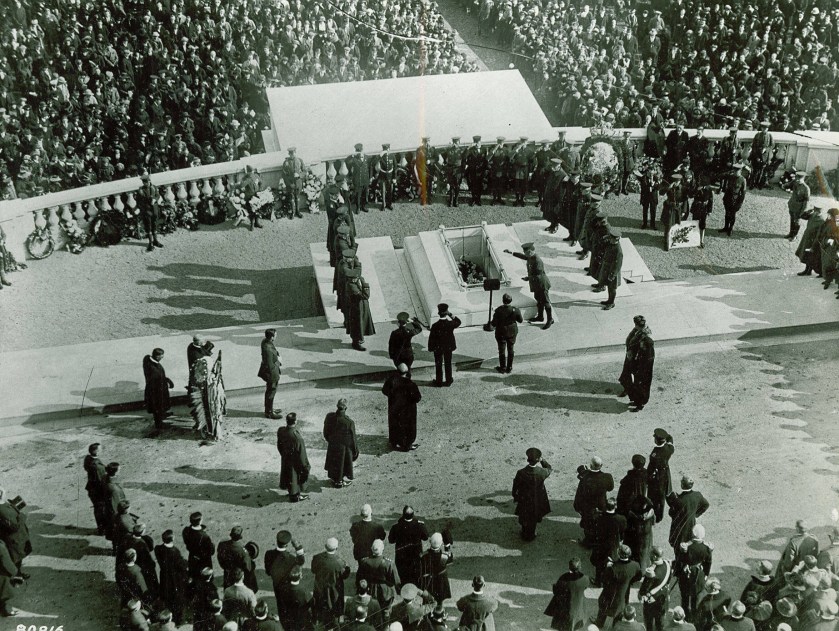 With three salvos of artillery, the rendering of Taps and the National Salute, the ceremony was brought to a close and the 12 ton marble cap placed over the tomb of the unknown. The west facing side bears this inscription:
Here Rests In
Honored Glory
An American Soldier
Known But To God
Two years later, a civilian guard was placed on the tomb of the unknown. A permanent Military guard would take its place in 1926.
Since 1937, the Tomb of the Unknown Soldier has been under 24/7/365 guard, heedless of hurricanes, howling blizzards and bone-chilling cold. Guards come from the 3rd Infantry Regiment, “The Old Guard”. Established in 1784, the Old Guard is the oldest active infantry unit in the United States military.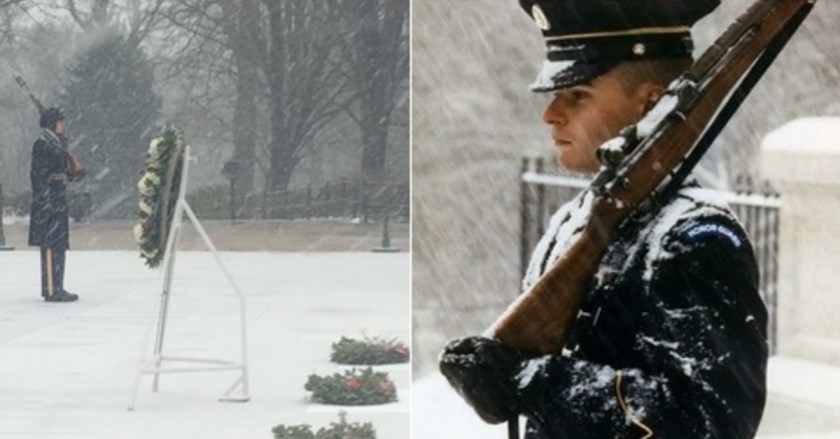 Every movement of the guard is a series of “twenty-ones” in reference to the 21-gun salute, a military tradition dating to the 14th century and universally recognized as the highest honor, among nations.
Tombguard.org explains: “The Sentinel does not execute an about face, rather they stop on the 21st step, then turn and face the Tomb for 21 seconds. They then turn to face back down the mat, change the weapon to the outside shoulder, mentally count off 21 seconds, then step off for another 21 step walk down the mat. They face the Tomb at each end of the 21 step walk for 21 seconds. The Sentinel then repeats this over and over until the Guard Change ceremony begins“.
In 1919, both AEF commander General John Pershing and Allied supreme commander Ferdinand Foch of France were adamantly opposed to the treaty at Versailles. Germany had been defeated, they argued, but not well and truly Beaten. The failure to defeat Imperial Germany on German soil the pair believed, would once again lead the three nations to war.
Meanwhile in Germany, the “Stab in the Back” fiction destined to become Nazi party mythology, was already taking shape.
On reading the treaty, Foch said “This isn’t a peace. It’s a cease-fire for 20 years!”
He got that wrong, by 36 days.

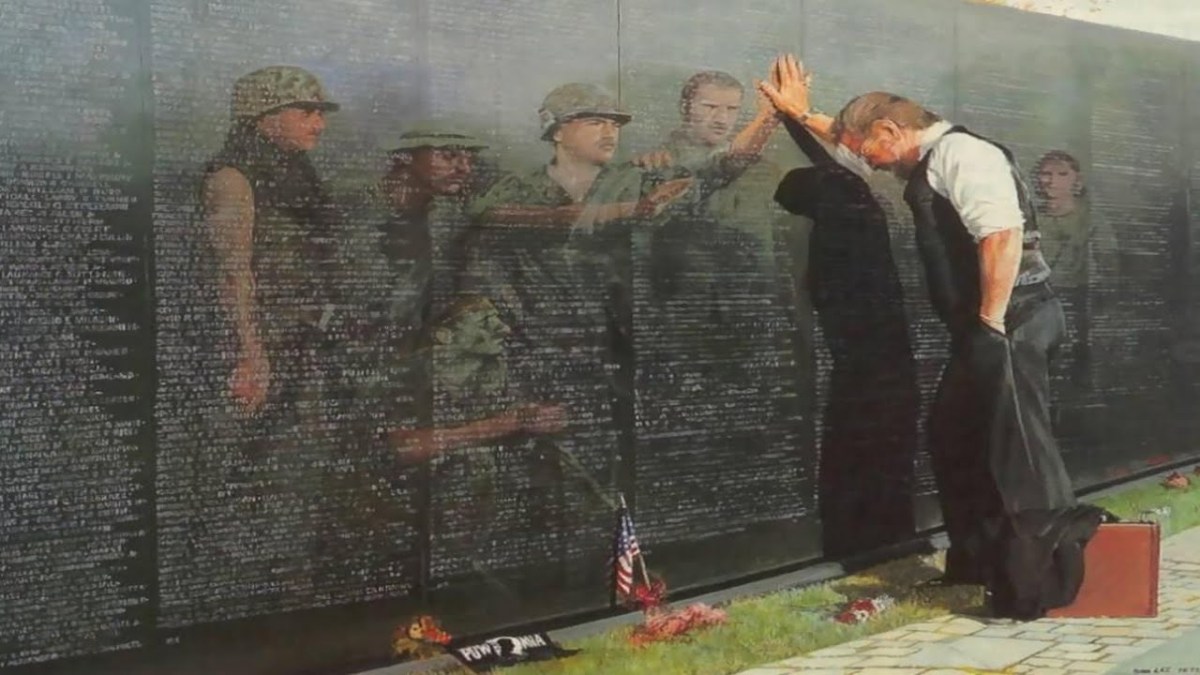
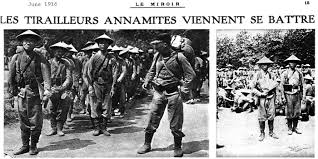 France re-occupied the region following the Japanese defeat which ended World War 2, but soon faced the same opposition from the army of Ho Chi Minh and Vo Nguyen Giap.
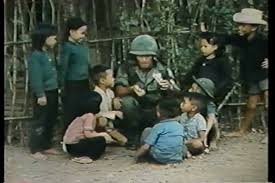 US policy makers feared a “domino” effect, and with good cause. The 15 core nations of the Soviet bloc were soon followed by Eastern Europe, as Poland, Bulgaria, Romania, Hungary and Czechoslovakia fell each in their turn, into the Soviet sphere of influence. Germany was partitioned into Communist and free-enterprise spheres after WWII, followed by China, North Korea and on across Southeast Asia.
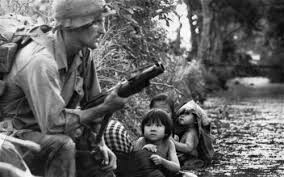 The war in Vietnam pitted as many as 1.8 million allied forces from South Vietnam, the United States, Thailand, Australia, the Philippines, Spain, South Korea and New Zealand, against about a half million from North Vietnam, China, the Soviet Union and North Korea. Begun on November 1, 1955, the conflict lasted 19 years, 5 months and a day. On March 29, 1973, two months after signing the Paris Peace accords, the last US combat troops left South Vietnam as Hanoi freed the remaining POWs held in North Vietnam.
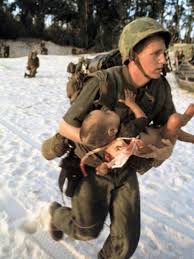 Even then it wasn’t over. Communist forces violated cease-fire agreements before they were even signed. Some 7,000 US civilian Department of Defense employees stayed behind to aid South Vietnam in conducting an ongoing and ultimately futile war against communist North Vietnam.
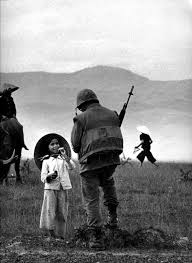 Imagine feeling so desperate, so fearful of the alien ideology invading your country, that you convert all your worldly possessions and those of your family into a single diamond, and bite down on that stone so hard it embeds in your shattered teeth. Forced to flee for your life and those of your young ones, you take to the open ocean in a small boat. All in the faint and desperate hope, of getting out of that place.
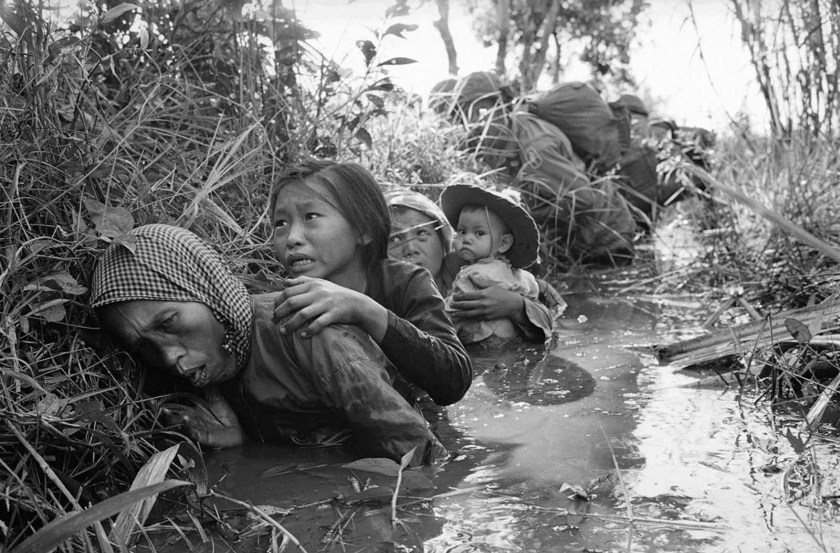 The humanitarian disaster that was the Indochina refugee crisis was particularly acute between 1979 – ’80, but reverberations continued into the 21st century.

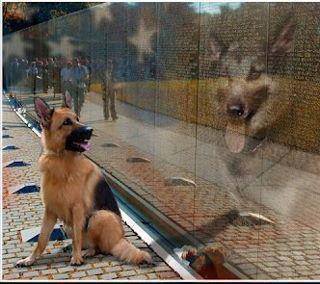
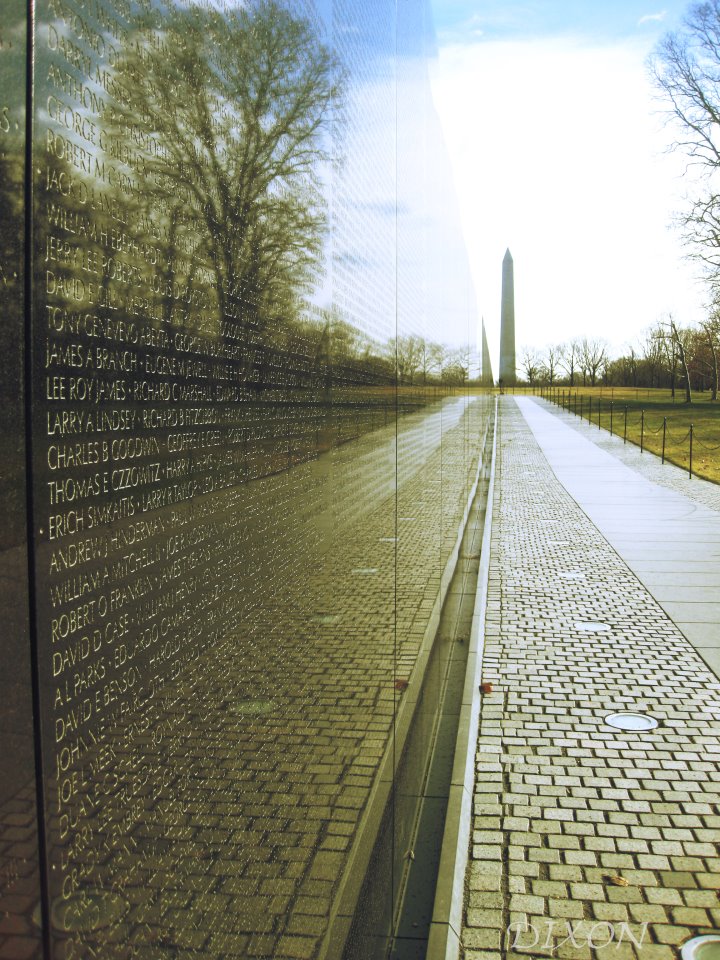 In the end, US public opinion would not sustain what too many saw as an endless war in Vietnam. We feel the political repercussions, to this day. I was ten at the time of the Tet Offensive in 1968. Even then I remember the searing sense of disgrace and humiliation, at the behavior of some of my fellow Americans.
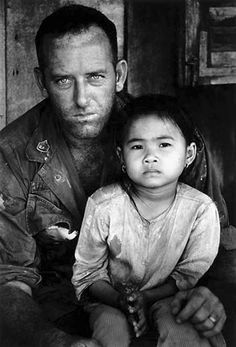 In 2012, President Barack Obama declared a one-time occasion proclaiming March 29 National Vietnam War Veterans Day and calling on “all Americans to observe this day with appropriate programs, ceremonies, and activities.”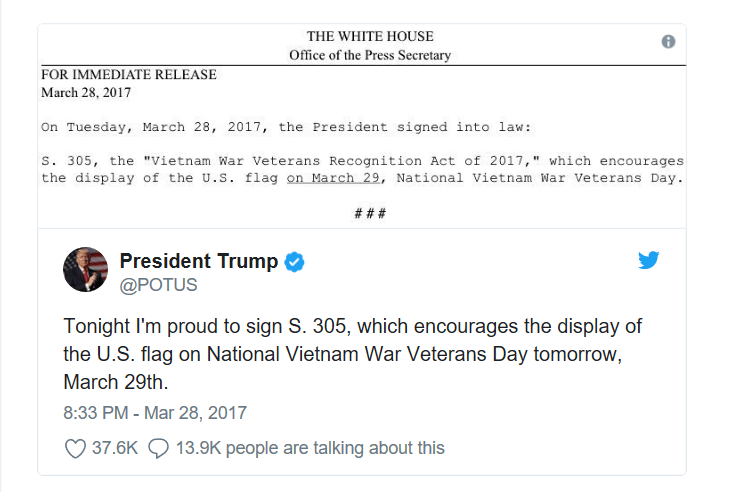


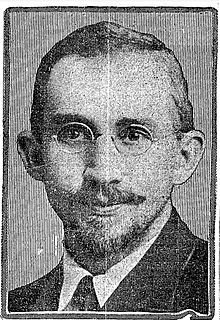
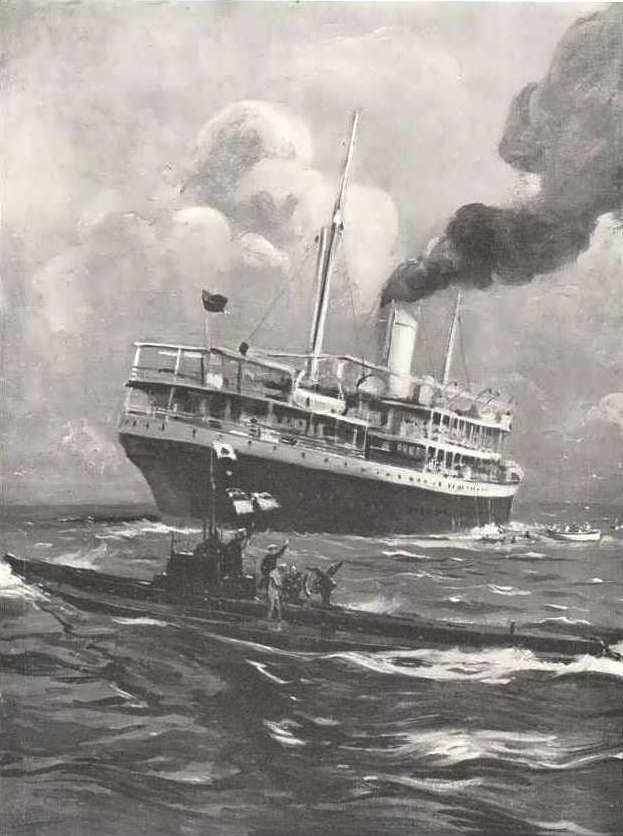
 President Woodrow Wilson stayed his hand, winning re-election the following year with the slogan, “He Kept Us Out of War”.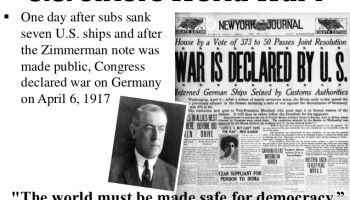


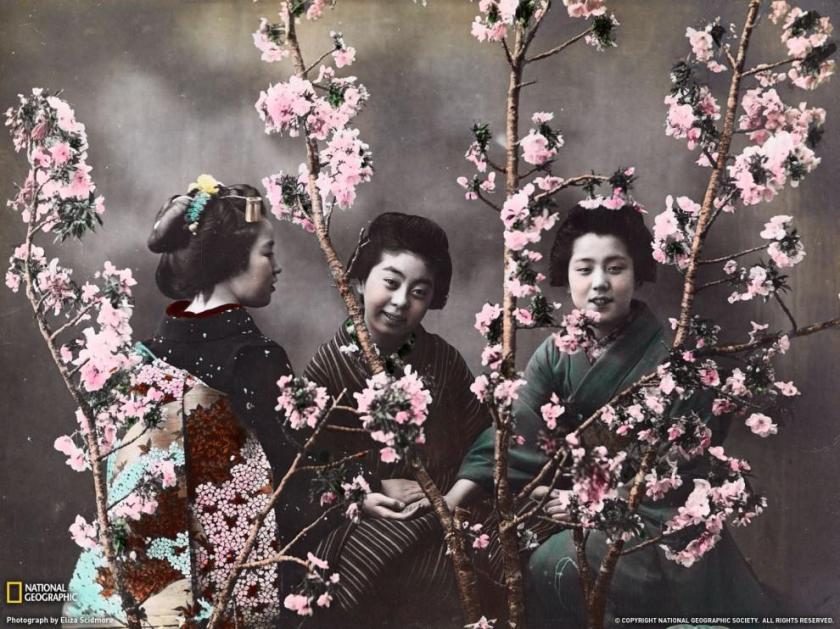 Frequent visits with her brother led to a passionate interest in all things Japanese, most especially the Japanese cherry, Prunus serrulata, commonly known as the Sakura. The Japanese blossoming cherry tree. She called them “the most beautiful thing in the world”.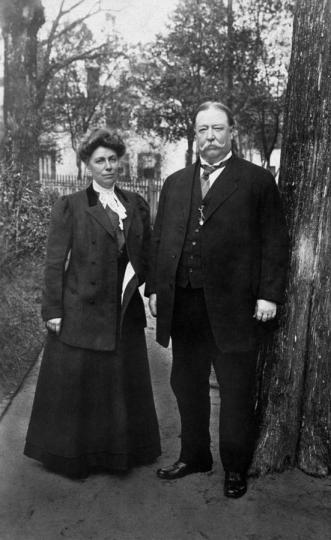
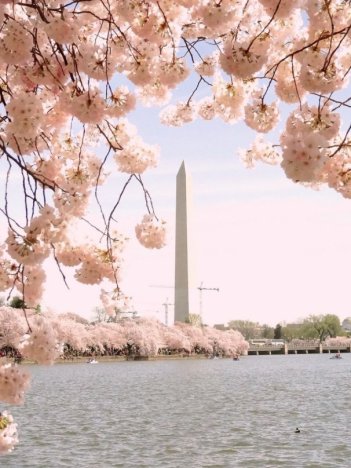 On March 27, 1912, the Viscountess Chinda, wife of the Japanese ambassador to the United States joined First Lady Helen Taft, in planting two Japanese Yoshino cherry trees on the bank of the Potomac River, near the Jefferson memorial.



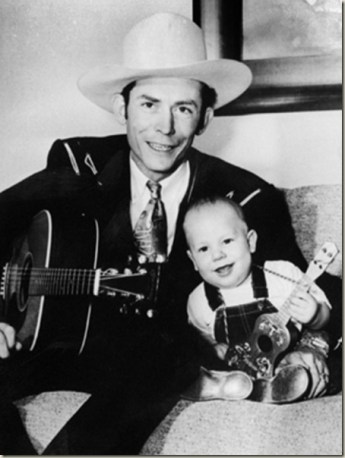 Dad called the younger Williams “Bocephus” after the ventriloquist’s dummy used by Grand Ole Opry comedian Rod Brasfield.
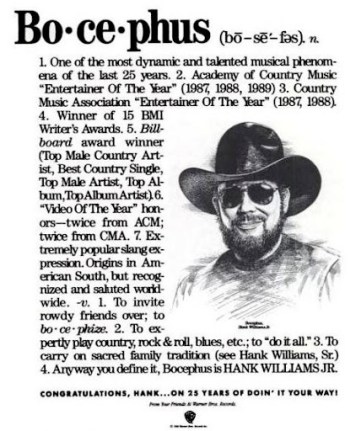 Williams was nearly killed in 1975, while climbing Ajax Peak in Montana. The snow collapsed beneath him, plunging him near-500 feet to the rocks below. There were multiple skull and facial fractures. Williams required several reconstructive surgeries, and had to learn to talk, and sing, all over again. The signature look of beard, sunglasses and cowboy hat have all become part of his brand, but it all began to hide the dreadful scars of that mountain climbing accident.
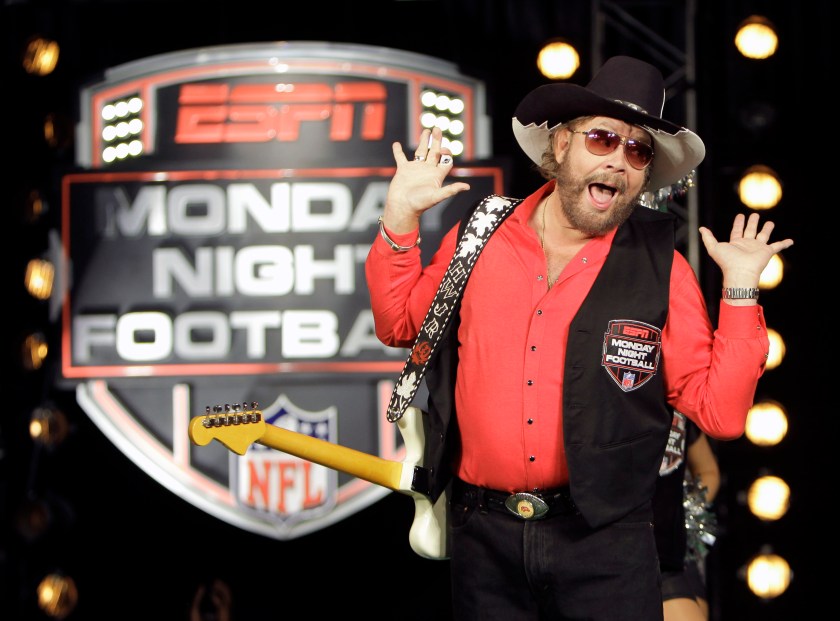 No matter. ESPN announced that Williams and his song would be pulled from future broadcasts. ABC and the National Football League, were quick to pile on.

 As applied to the Wide World of Sport, the term “Blowout” was first used in 1965 to describe a single 40-minute inning in which the St. Louis Cardinals scored seven unearned runs in a 12-2 romp over the Milwaukee Braves. Over the years, there have been plenty of other games that deserve such a characterization.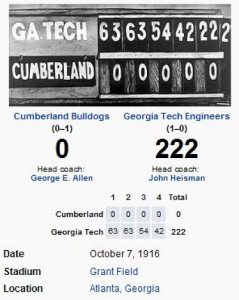

 The Detroit Red Wings beat the New York Rangers 15-0 in 1944, but some of the worst sports disasters ever, have been in international hockey. The 2007 Slovakia women’s team defeated Bulgaria 82-0 in a 2010 Winter Olympics qualifying tournament. At the 1998 Asia-Oceania Junior Championships, South Korea skunked Thailand 92-0. South Korean forward Donghwan Song scored 31 goals, all by himself.
 The 1985 Patriots opened with some of the finest talent to ever play the game. All-pro linebackers Andre Tippett and Steve Nelson. John “Hog” Hannah at Left guard, voted in 1999 the second greatest offensive lineman, in NFL history. 1983 1st-round draft pick Tony Eason, at QB. There were no fewer than 9 future pro-bowlers, on both sides of the ball.
 That they did, the game was a Dolphins Disaster. New England controlled the ball for a full 40 minutes of smashmouth football, running 59 times for a whopping 255 yards and 10 out of 12 pass completions. The Fish was duly Squished in a 31-14 trouncing in their own home field.
 There we were with our “Berry da Bears” t-shirts. Delirious with Joy we could do no wrong, as New England took the earliest lead in Super Bowl history with a field goal at 1:19.
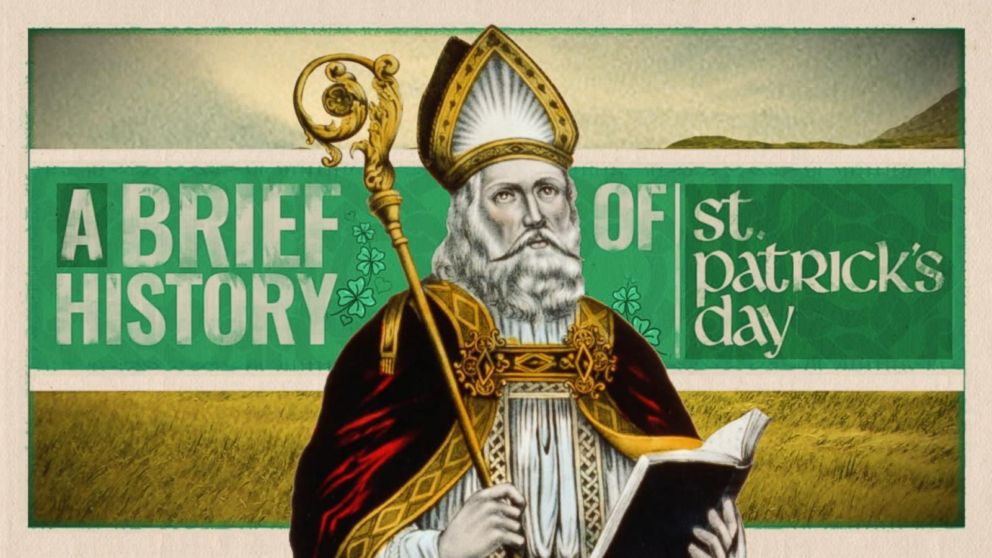
 Today, the “insular” Celtic languages are all that’s left, relegated to two sub-groups: the Goidelic (or Gaelic) spoken by Irish and Scots speakers and once on the Isle of Man, and the Brythonic or Brittonic once spoken in Wales, Brittany and Cornwall.
 Interestingly, Patrick is listed among the 10,000 or so Roman Catholic Saints though it seems he never was actually canonized, by a pope.
 Another legend involves a walking stick of ash, which Patrick carried with him wherever he went. He would thrust this stick into the ground wherever he would preach. At a place now known as Aspatria, (ash of Patrick), the message took so long to get through to the people that the stick took root.
 Christian Ireland, with its green color evoking rebirth and eternal life.


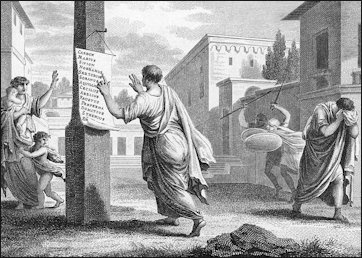
 For 38 days, the young Caesar joined in games and exercises, with these bloodthirsty killers. As if he were their leader, instead of their prisoner. All the while, he promised these pirates. He would come back to crucify them all, and he said it with a smile.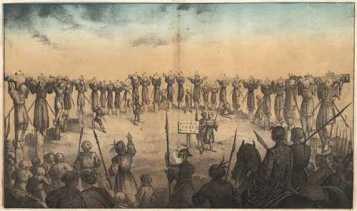
 He seems to have been a ladies’ man, fathering a son with none other than Queen Cleopatra of Egypt. One story has him being handed a note while speaking at the Senate. Caesar’s arch rival Cato (the younger) demanded to know the contents of the letter, loudly accusing him of complicity in the “Catiline Conspiracy” to overthrow the government. At last Caesar relented, reading out loud what turned out to be a love letter – a graphic one – written to him by Cato’s own half-sister Servilia Caepionis.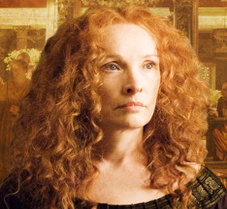
 Shortly before his assassination in BC 44, Caesar was named dictator perpetuo rei publicae constituendae, (English: “dictator in perpetuity”). It was the first time such a title had ever been made permanent. Nothing was more repugnant to traditional Roman sensibilities, than the idea of a dictator for life. Caesar’s days were numbered.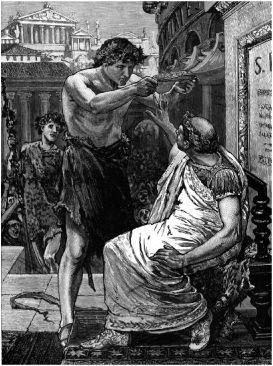
 The Roman calendar tracked the phases of the moon (or tried to), and didn’t count the days from first to last. Instead, Romans counted backward from three fixed points: the Nones (5th or 7th, depending on the length of the month), the Ides (13th or 15th), and the Kalends (1st of the following month).
 Here’s where the story becomes Really interesting. Like the apocryphal warning to “Beware the Ides of March”, Caesar’s last words, “Et tu Brute” were first introduced by William Shakespeare, 1,643 years after the fact. No eyewitness account of the assassination survives today, though a more contemporary source recorded the Greek words “Kai su, teknon?” as Brutus plunged the dagger in. “And you, my child?”


 Rubenstein hated the nickname and was quick to fight anyone who called him that. It may have been that hot temper, that made the name stick.
 Ruby was a low-rent gangster, involved in typical underworld activities like gambling, narcotics and prostitution. There were rumored associations with Mafia boss Santo Trafficante.
 Today, you may know Rick Danko, Levon Helm, Garth Hudson and Robbie Robertson as musicians who played with Bob Dylan in 1965, later going on the road as “The Band” and performing such rock & roll standards as “The Night they Drove Old Dixie Down”, “Up on Cripple Creek” and “The Weight”.
 Part of the roof had blown off this joint. Either that or it burned off, depending on which version you believed. Jack, the club owner, tore off the rest of it and kept the insurance money, calling this fine establishment, the “Skyline Lounge”.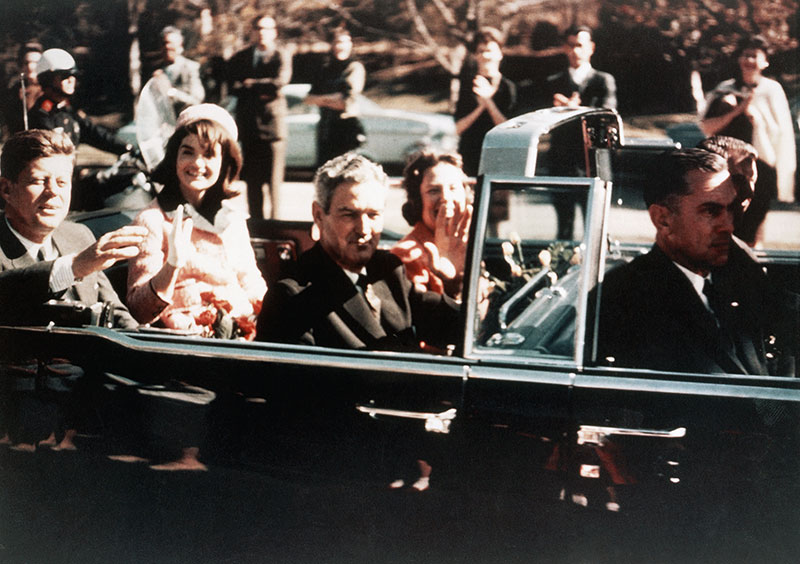
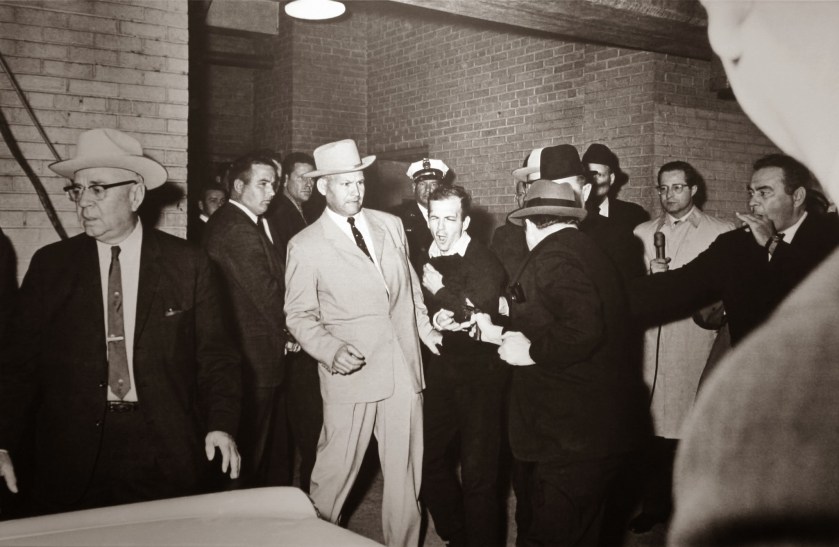
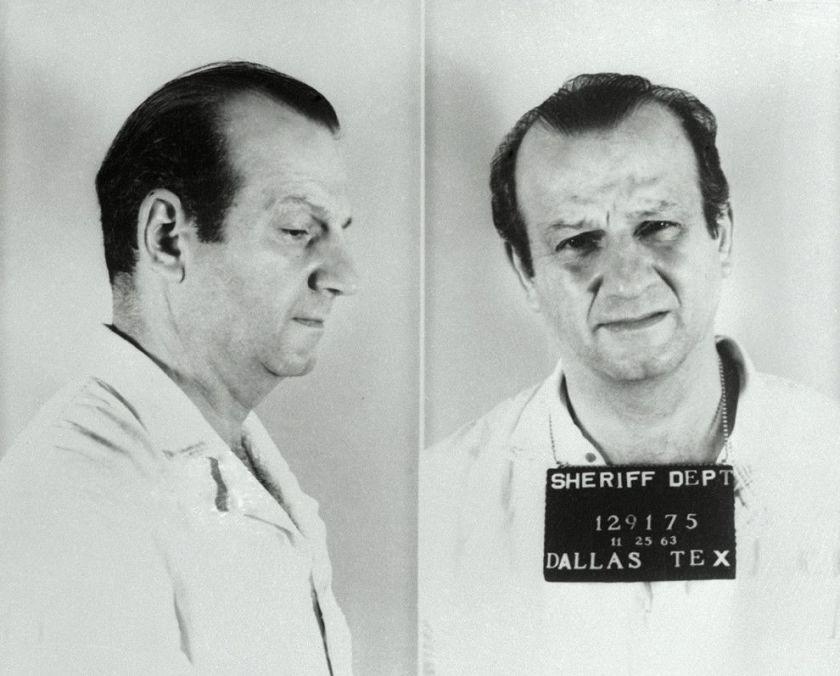 The Warren Commission found no evidence linking Jack Ruby’s murder of Lee Harvey Oswald, to any broader conspiracy to assassinate the President. What became of Jacob Leon “Sparky” Rubenstein’s Skyline Lounge, is unknown to this writer.
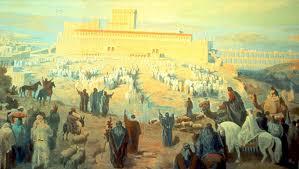 The Rashidun Caliphate captured the Holy City in 637, following a long siege. Except for one 88-year period following the first crusade in 1099, the Temple Mount in the old city remains under Islamic administration, from that day to this.
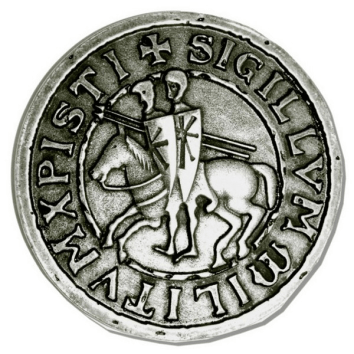 These were monks and they were warriors, “Poor Fellow-Soldiers of Christ and of the Temple of Solomon”. For 200 years, these “Knights Templar” provided for the safe passage of Christian pilgrims.
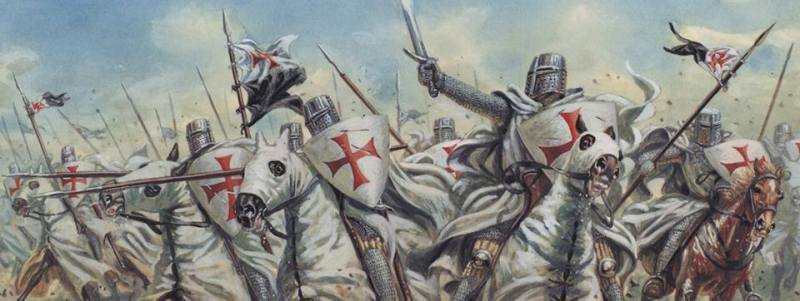 Following wars with the Flemish and with English King Edward I, King Philip IV of France found himself deeply in debt. Needing to wriggle out of it, Philip expelled the Jews of France, in 1306. The following year he came after the Knights Templar.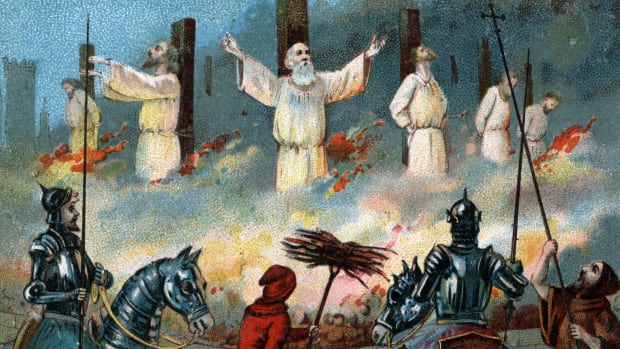
 Thousands of knights fled to areas outside Papal control. Many were burned at the stake, some absorbed into the rival Knights Hospitaller. Within a couple years, the order of the Knights Templar had ceased to exist.
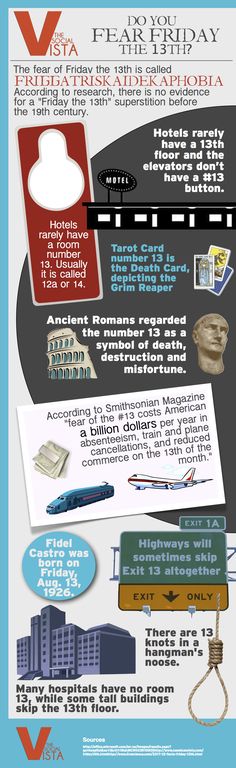
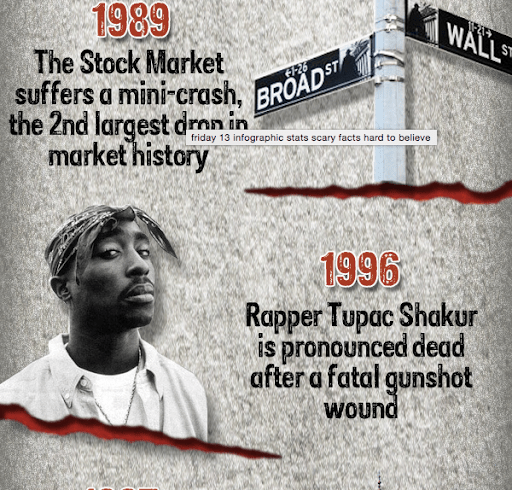 So knock on wood and cross your fingers. Watch out for black cats. Don’t look at the full moon through a pane of glass. Be sure to throw salt over your shoulder and don’t mind the Wuhan plague. You’ll be fine.
 Historical Easter Eggs - Today in History
You must be logged in to post a comment.