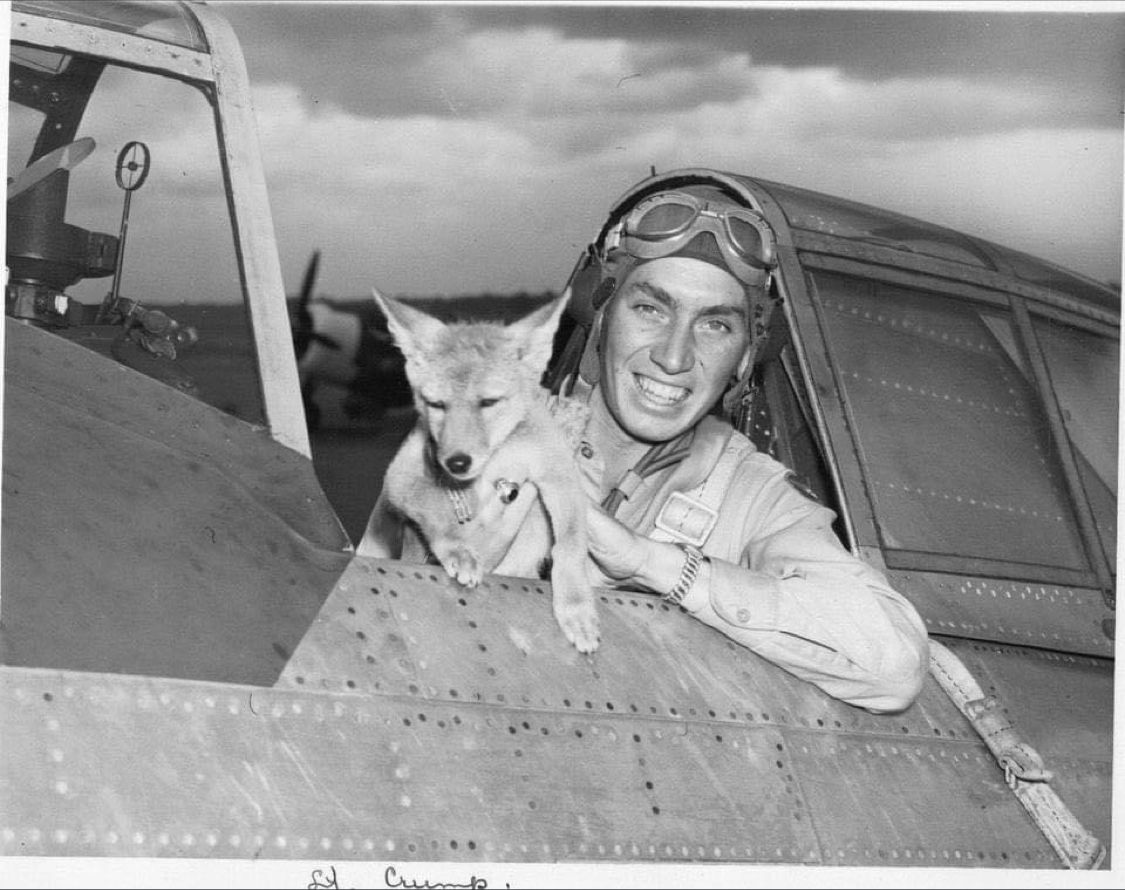
The “war to end wars” had Jackie the Baboon and Whiskey & Soda, the lion cub mascots of the Lafayette flying corps. World War II and Wild Bill Crump had Jeep, the only four-legged co-pilot to serve in the war to retake Europe.
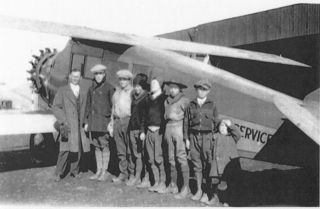
John William “Wild Bill” Crump was born in 1924 in the village of Opportunity, Washington. From the age of 5 he seemed destined for the air, his first flight with his father at the stick.
The world was at war in 1944, and badly in need of pilots. Wild Bill Crump arrived at Harding Field, Nebraska at the age of 20 to complete pilot training.
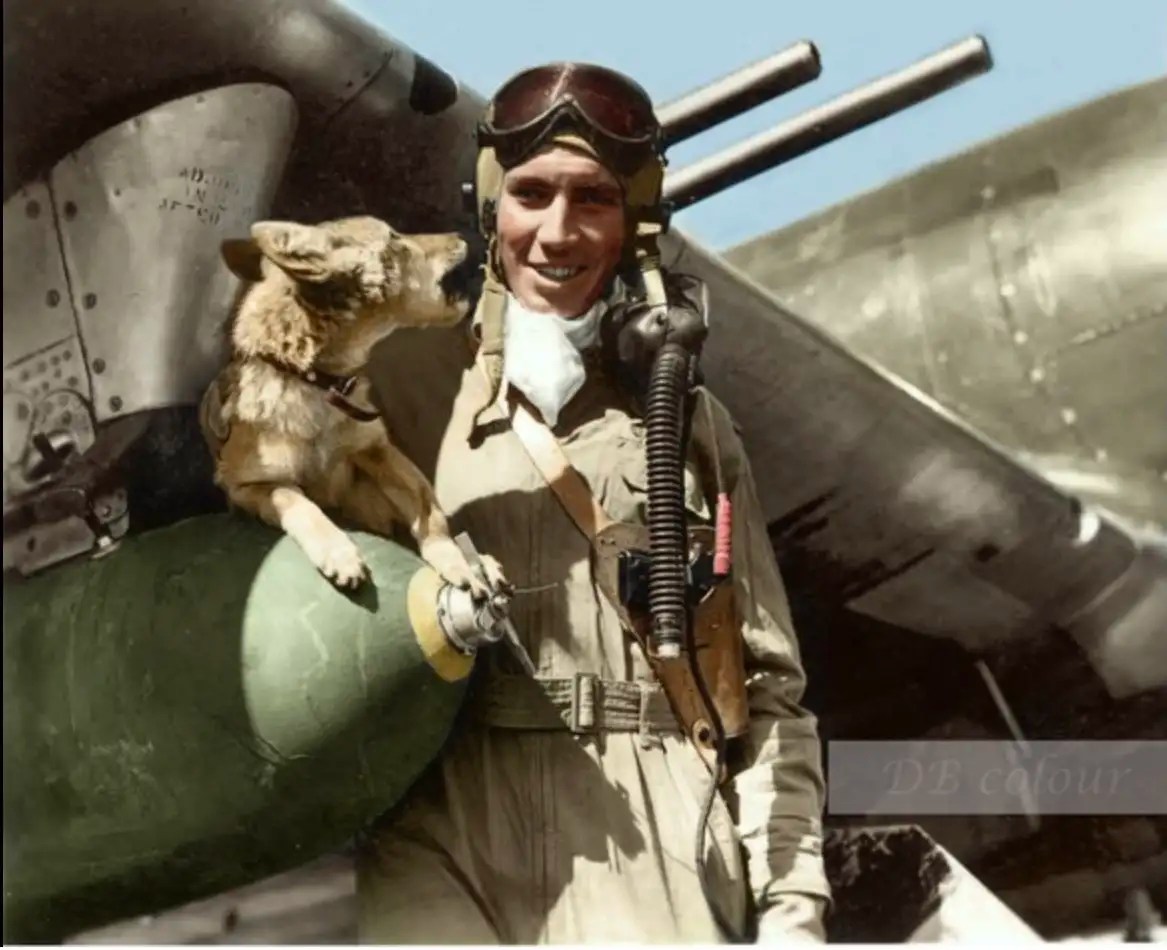
He came upon the most unlikely of co-pilots while earning his wings. Abandoned and alone, it was a two-week-old puppy. A young coyote in need of a home.
“Eugene the Jeep” came to public attention some eight years before that, part of the Popeye cartoon strip by E.C. Segar (rhymes with cigar).
Eugene was a dog-like of character with the magical power to go, just about anywhere.
In the early phase of World War II, military contractors labored to develop an off-road vehicle. It had to be capable of going anywhere, or close to it. Like Popeye’s sidekick Eugene, the General Purpose GP (“Jeep”) was just the thing. Eventually, the name stuck.
You see this coming, right? Crump named his new sidekick, “Jeep”.
Next came Baton Rouge. Training on the iconic P-47. The P-47 was a high-altitude fighter-bomber, the foremost ground attack aircraft of the American war effort in WW2.
P-47 cockpits were built for one, but regulations said nothing about a coyote.
So it was, there in Baton Rouge the pair learned to work together. When orders came for England, there was little question of what was next. The luxury liner RMS Queen Elizabeth was serving as a troop ship. No one would notice a little coyote pup smuggled on-board.
Next came RAF Martlesham Heath Airfield in Ipswich, England and the 360th fighter squadron, 359th fighter group.
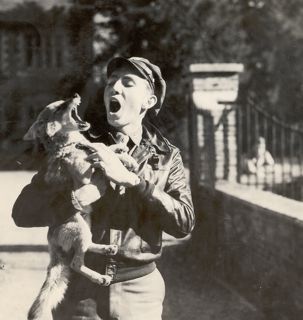
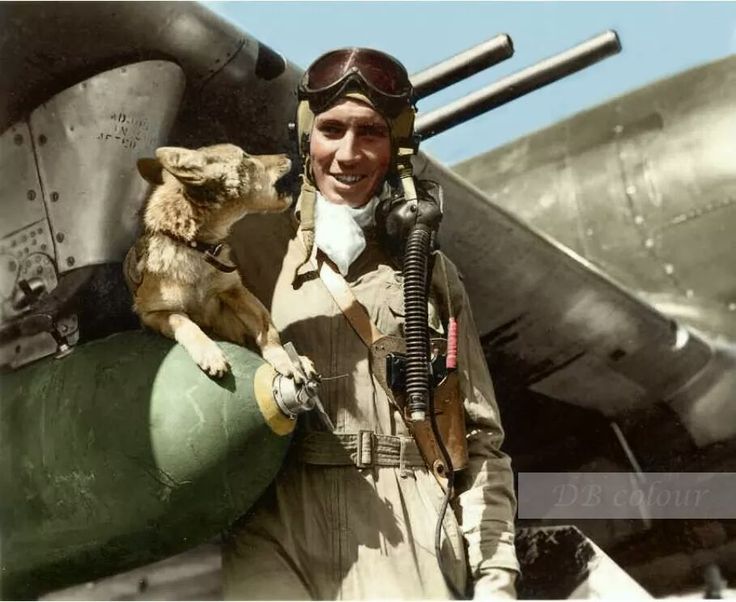
Jeep became the unit mascot complete with his own “dog tags”, and vaccination records. He’d often entertain the airmen taking part in howling contests.
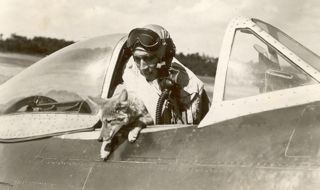
Curled up in the cockpit, Jeep came along on no fewer than five combat missions. One time, a series of sharp barks warned the pilot of incoming flak.
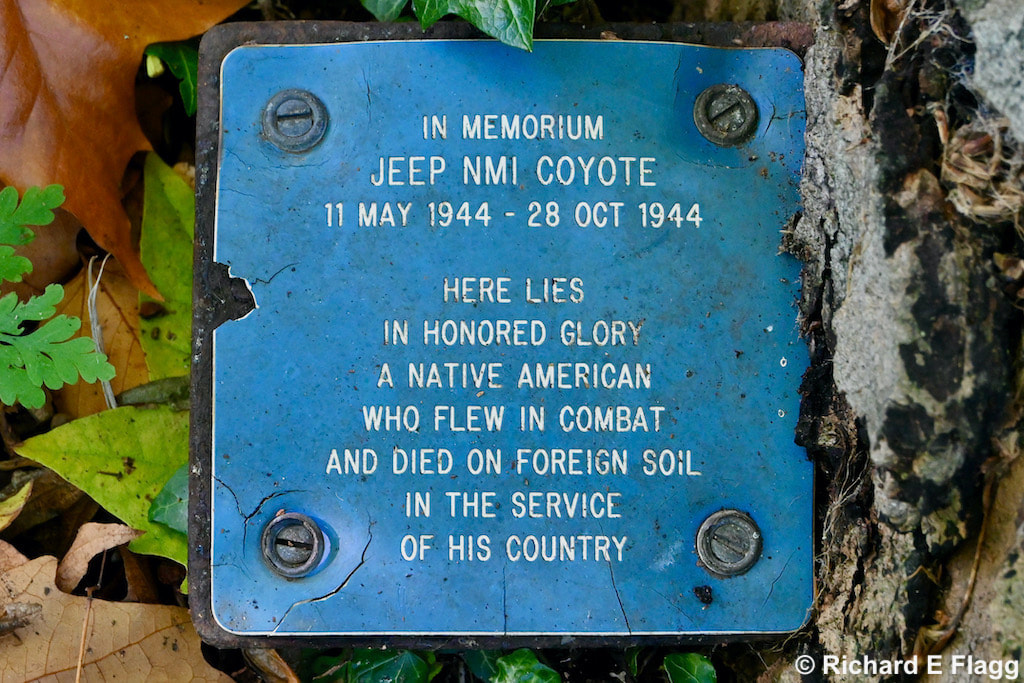
Wild Bill Crump survived the war, reenlisting in a time for the Berlin airlift. He later piloted for Bob Hope and the Les Brown Band, entertaining the troops in Berlin. Sadly, his co-pilot and battle buddy did not. On October 28,1944, a group of children brought the animal to school. Left tied to a tree he slipped his bonds, attempting to return home. It was raining at the time. Visibility was poor. Jeep was hit and killed by a military vehicle while returning to base.
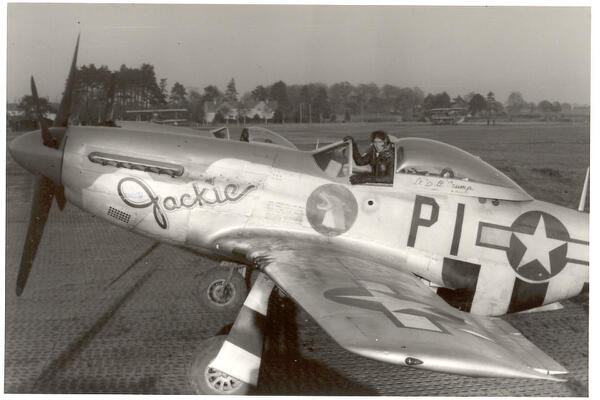
Crump went on to fly 77 missions aboard the P51 Mustang “Jackie,” named after his high school sweetheart. The fuselage bore the image of a coyote in honor of his late co-pilot.
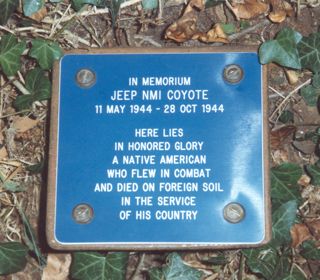
Jeep was buried with full military honors. A plaque marks his grave on the grounds of Playford Hall, an Elizabethan mansion dating back to 1590 and located in Ipswich, England.
As long as men have made war, animals have come along. And not just working animals. Archaeological evidence demonstrates that, when Norsemen went a’ Viking, they did so in the company of house cats. The idea may be amusing, but why not? Men at sea need food, and food attracts vermin. The Viking ship’s cat was literally a life saver.
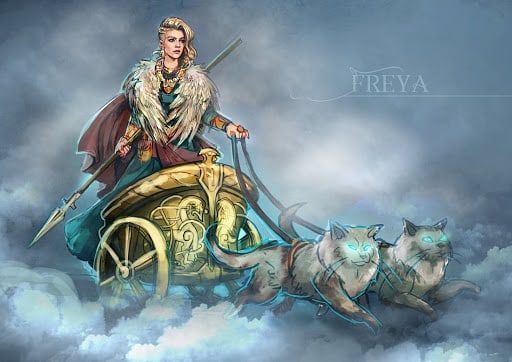
Fun fact: The Norse goddess Freya traveled in a carriage drawn by cats.
In ancient Skandinavian cultures, companion animals were laid to rest in elaborate burial mounds complete with favorite toys and treats. The Greeks and Romans of antiquity commissioned carved epitaphs expressing gratitude and deep sorrow over the loss of pets. Millions of animals did their part in the world wars. Jackie the Baboon helped fight the Great War as did Whiskey & Soda, the lion cub mascots of the Lafayette flying corps. “Vojtek” the Siberian brown bear accompanied Polish troops during World War 2.
Some 16 million Americans served in the Armed Services during World War 2. Nearly 300,000 were pilots. Only one of them, fighting to liberate Europe from the Nazi horde, was a coyote.
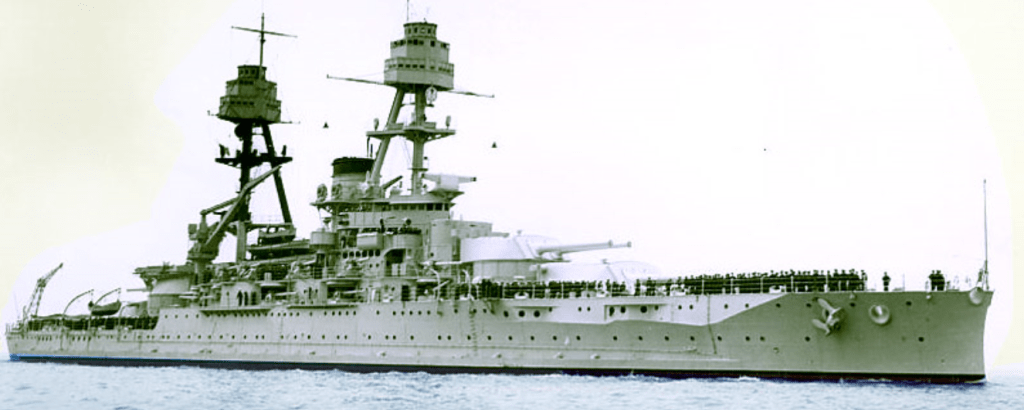
The only US warship ever named after the 46th state, she was destroyed in an enemy sneak attack before she knew she was at war.
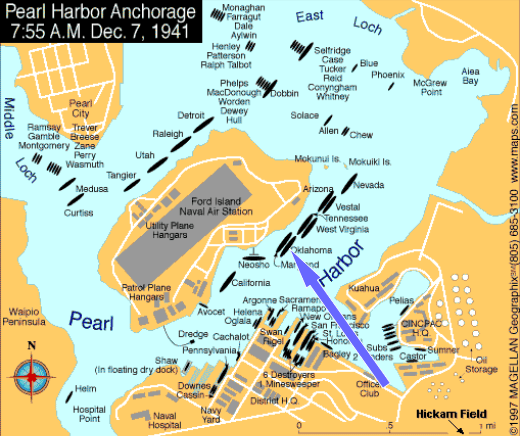
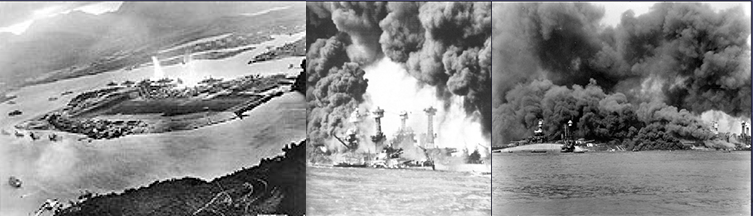
It was literally out of the blue when the first wave of enemy aircraft arrived at 7:48 local time, December 7, 1941. 353 Imperial Japanese warplanes approached in two waves out of the southeast, fighters, bombers, and torpedo planes, across Hickam Field and over the waters of Pearl Harbor. Tied in place and immobile, the eight vessels moored at “Battleship Row” were easy targets.
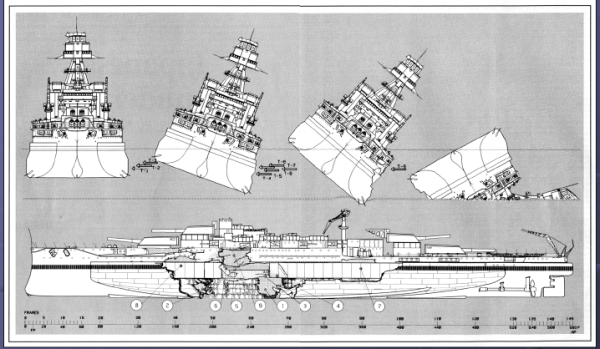
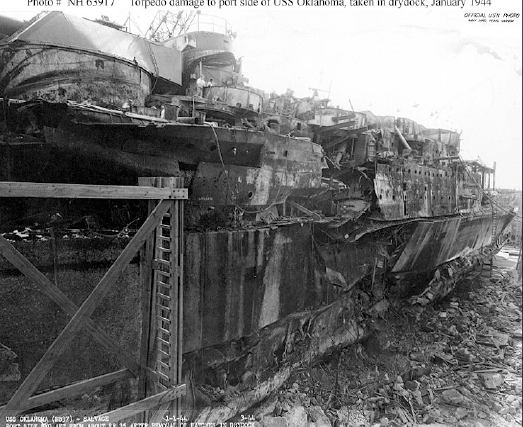
In the center of the Japanese flight path, sailors and Marines aboard the USS Oklahoma fought back furiously. She didn’t have a chance. Holes as wide as 40′ were torn into the hull in the first ten minutes of the fight. Eight torpedoes smashed into her port side, each striking higher on the hull as the Battleship began to roll
Hat Tip John F. DeVirgilio for this graphic
Bilge inspection plates had been removed for a scheduled inspection the following day, making counter-flooding to prevent capsize, impossible. Oklahoma rolled over and died as the ninth torpedo slammed home. Hundreds scrambled out across the rolling hull, jumped overboard into the oil covered, flaming waters of the harbor, or crawled out over mooring lines in the attempt to reach USS Maryland in the next berth.
The damage was catastrophic. Once the pride of the Pacific fleet, all eight battleships were damaged, and four of them sunk. Nine cruisers, destroyers, and other ships were damaged, and another two sunk. 347 aircraft were damaged, most caught while still on the ground. 159 of those were destroyed altogether. 2,403 were dead or destined to die from the attack, another 1,178 wounded.
Nine Japanese torpedoes struck Oklahoma’s port side during the first ten minutes of the attack.
Frantic around the clock rescue efforts began almost immediately to get at 461 sailors and Marines trapped inside. Tapping could be heard as holes were drilled to get to those trapped inside.
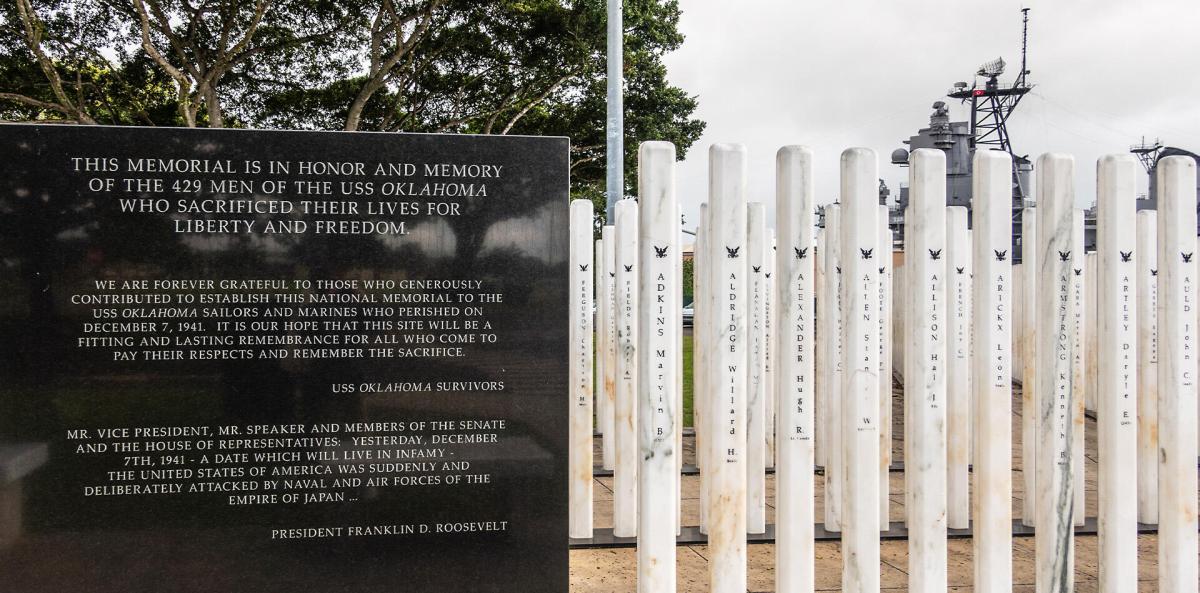
Only 32 were delivered from certain death. 14 Marines and 415 sailors lost their lives onboard Oklahoma, either immediately or in the days and weeks to come. Bulkhead markings later revealed that at least some of the doomed lived on in that pitch black, upside-down hell, waiting for rescue that would come too late. The last survivor drew the last such mark on Christmas Eve, 17 days after the attack.
Of sixteen ships lost or damaged, thirteen would be repaired and returned to service. USS Arizona remains on the bottom, a monument to the event and to the 1,102-honored dead who remain entombed within her hull. The USS Utah defied salvage efforts. She, too, is a War Grave, 64 honored dead remaining within her hull, lying at the bottom not far from the Arizona. Repairs were prioritized, and USS Oklahoma was beyond repair. She, and her dead, would have to wait.
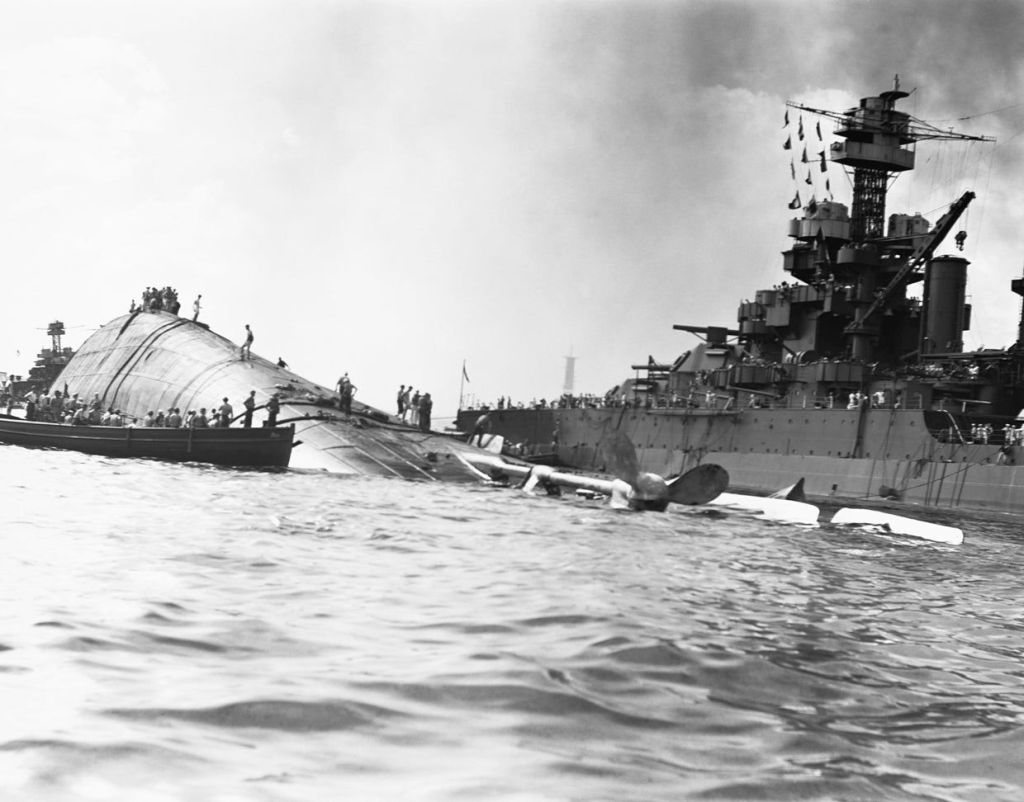
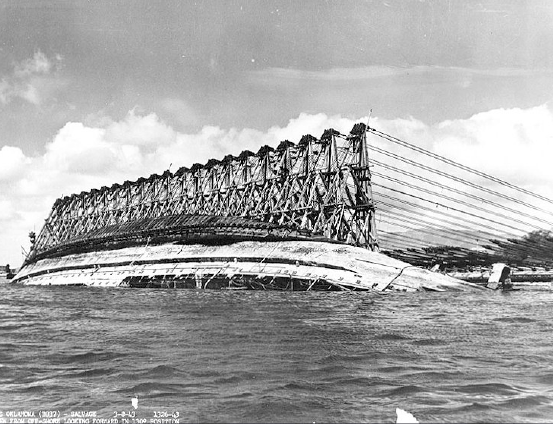
The extraordinarily difficult salvage at last began in March of 1943. 21 giant A-frames were fixed to the hull, 3″ cables connecting compound pulleys to 21 electric motors, each capable of pulling 429 tons. Two pull configurations were used over 74 days, first the configuration below, then direct connections once the hull had achieved 70°.
That May, the decks of USS Oklahoma once again saw the light of day.
At last fully righted, the ship was now 10 feet below water. Massive temporary wood and concrete structures called “cofferdams” closed the gaping wounds left by torpedoes, so the hull could be pumped out and re-floated. A problem even larger than those torpedo holes were the gaps between hull plates, caused by the initial capsize and righting operations. Divers stuffed kapok in the gaps as water was pumped out.
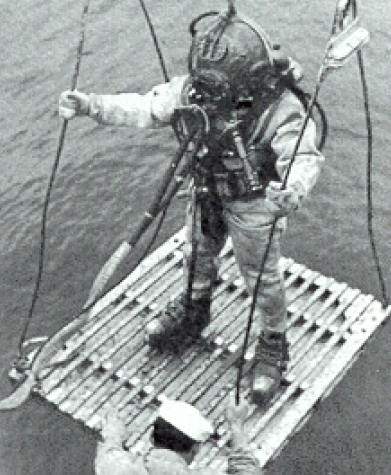
Individual divers spent 2-3 years on the Oklahoma salvage job. Underwater arc welding and hydraulic jet techniques were developed during this period and remain in use to this day. 1,848 dives were performed for a total of 10,279 man hours under pressure. For all that, no military and only one civilian diver lost his life, that, when his air hose became severed.
Salvage workers entered the pressurized hull through airlocks wearing masks and protective suits. Bodies were in advanced stages of decomposition by this time, and the oil and chemical-soaked interior was toxic to life. Most victims were impossible to identify.
Twenty 10,000 gallon per minute pumps operated for 11 hours straight. On November 3, 1943, the ‘Mighty Okie’ broke from the bottom and once again floated on her own.
Oklahoma entered dry dock the following month, a total loss to the American war effort. She was stripped of guns and superstructure and sold for scrap on December 5, 1946, to the Moore Drydock Company of Oakland, California.
The battered hulk left Pearl Harbor for the last time in May 1947, headed for a scrapyard in San Francisco bay. She never made it. Taken under tow by the ocean-going tugs Hercules and Monarch, the three vessels entered a storm some 540 miles east of Hawaii.
On May 17, disaster struck. Piercing the darkness, Hercules’ spotlight revealed that the former battleship was listing heavily. Naval base at Pearl Harbor instructed them to turn around when these two giant tugs ground to a halt and found themselves moving… backward. Despite her massive engines, Hercules was being dragged astern, hurtling past Monarch, herself swamped at the stern and being dragged backward at 17mph.
Fortunately for both tugs, skippers Kelly Sprague of Hercules and George Anderson of Monarch had loosened the cable drums connecting 1,400-foot tow lines to Oklahoma. Monarch’s line played out and detached. With Oklahoma forever sunk beneath the waves and Hercules’ tow line pointing straight down, Hercules detached with a crash at the last possible moment, the 409-ton tug bobbing to the surface like the float on a child’s fishing line.
Ordered in March 1911 and launched three years later, the 583’ Nevada-class battleship USS Oklahoma was designed to fight at the most extreme ranges expected by gunnery experts. Commanded by Charles B. McVay, Jr., father of the ill-fated skipper of the USS Indianapolis Charles Butler McVay III, Oklahoma’s role in the Great War was limited, due to a shortage of oil in major theaters of operation. Notable among her exploits of WW1 were the memorable fist fights crew members got into with Sinn Féin members in Berehaven, County Cork, and casualties sustained during the 1918-19 flu pandemic.
Oklahoma was up-armored in a 1927 – ’29 refit. Additional anti-torpedo armor bulges were added, briefly making her the widest battleship in the United States fleet. Oklahoma was dispatched to Europe in 1936 to evacuate American civilians during the Spanish civil war.
The only US warship ever named after the 46th state, she was destroyed in an enemy sneak attack before she knew she was at war.
Of the 429 killed, 394 were buried as unknown persons. Since 2015, advances in forensic science and dna technology have led to the identification of 346. Many warships sunk during World War 2 have since been found. The final resting place of the USS Oklahoma remains, a mystery.
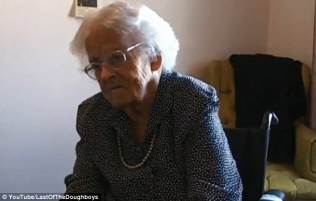
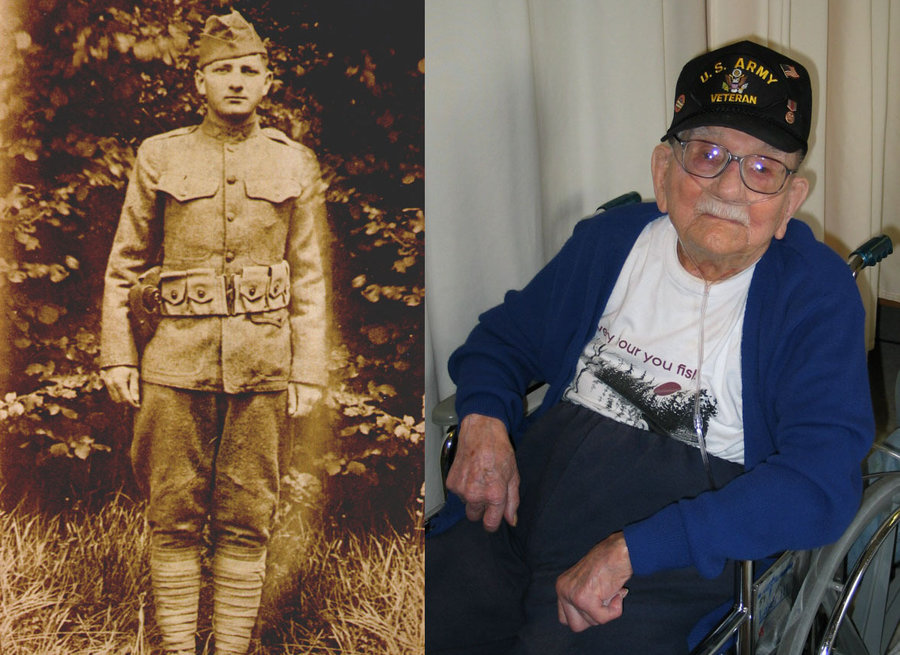
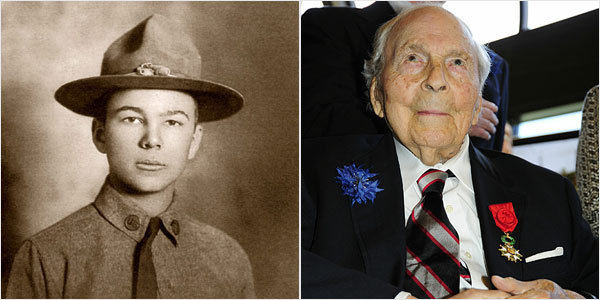
The people the author sought were over 101. One was 113. The search could not have been easy, beginning with the phone call to next of kin. There is no delicate way to ask the question. “Is he still with us?” Most times, the answer was “no”.
In 2003, author Richard Rubin set out to interview the last surviving veterans of the Great War, the “War to End All Wars”. World War One.
The people the author sought were all over 101. One was 113. It could not have been easy, beginning with the phone call to next of kin. There is no delicate way to ask the question. “Is he still with us?” Most times the answer was “no”.
Sometimes it was “yes”, and Rubin would ask for an interview. The memories his subjects sought to bring back were 80 years old and more. Some spoke haltingly, and with difficulty. Others were fountains of information, as clear and lucid as if the memories of which they spoke were made only yesterday.
Rubin writes “Quite a few of them told me that they were telling me things that they hadn’t talked about in 50, 60, 70 years. I asked a few of them why not, and the surprising response often was that nobody had asked.”
Anthony Pierro of Swampscott, Massachusetts, served in Battery E of the 320th Field Artillery and fought in several of the major battles of 1918, including Oise-Aisne, St. Mihiel, and Meuse-Argonne.
Anthony Pierro at 107
Pierro recalled his time in Bordeaux as the best time of the war. “The girls used to say, ‘upstairs, two dollars.’” Pierro’s nephew Rick interrupted the interview. “But you didn’t go upstairs.” Although possibly unexpected, Uncle Anthony’s response was a classic. “I didn’t have the two dollars”.
Reuben Law of Carson City, Nevada remembered a troop convoy broken up by a German U-Boat while his own transport was swept up in the murderous Flu pandemic of 1918.
The people Rubin spoke with weren’t all men. 107-year-old Hildegarde Schan of Plymouth, Massachusetts spoke of caring for the wounded.
Hildegard Schan, 107
Howard Ramsey helped start an American burial ground in France, 150 miles north of Paris. Today, the 130½ acres of the Meuse-Argonne American Cemetery serves as the final resting place for the largest number of US military dead in Europe.
“So I remember one night”, Ramsey said, “It was cold, and we had no blankets, or nothing like that. We had to sleep, we slept in the cemetery, because we could sleep between the two graves, and keep the wind off of us, see?”
Arthur Fiala of Kewaunee, Wisconsin remembered traveling across France in a boxcar marked “40-8″. Room enough for 40 men, or eight horses.
Arthur Fiala
There was J. Laurence Moffitt of Orleans, Massachusetts. Today, we see the “Yankee Division” only on highway signs. At 106, this man was the last surviving member of his outfit, with a memory so clear he could recall every number from every fighting unit of the 26th Division.
George Briant was caught in an open field with his battery, as German planes dropped bombs from the sky. Briant felt as if he was hit by every one of them, spending several months in the hospital. When it was through, he begged to go back to the front.
George Briant
On the last night of the war, November 10, 1918, Briant came upon the bodies of several men who had just been shelled.
“Such fine, handsome, healthy young men”, he said, “to be killed on the last night of the war. I cried for their parents. I mean it’s a terrible, terrible thing to lose anyone you love in a war, but imagine knowing precisely when that war ends, and then knowing that your loved one died just hours before that moment.”
Rubin interviewed dozens of men and a handful of women, a tiny and ever diminishing living repository for memory of the War to End All Wars. Their stories are told in their own words and linked HERE, if you care to learn more. I highly recommend it. The words of these women and men are far more powerful than anything I can offer.
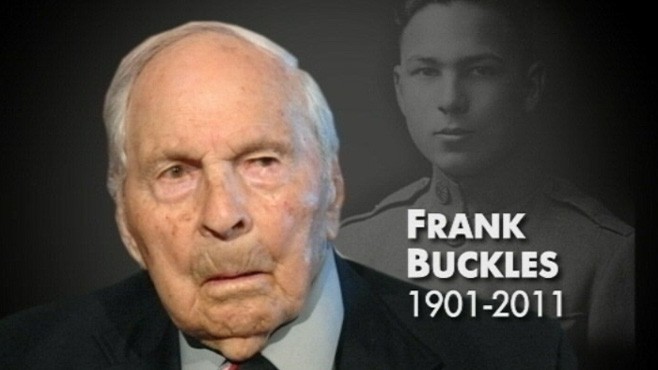
Frank Woodruff Buckles, born Wood Buckles, is one. Born on February 1, 1901, Buckles enlisted with the First Fort Riley Casualty Detachment at the age of sixteen, training for trench casualty retrieval and ambulance operations.
Frank Woodruff Buckles, S/N 15577
Buckles’ unit set sail from Hoboken New jersey in December 1917 aboard HMS Carpathia, a vessel made famous by the Titanic rescue, five years earlier.
Frank never saw combat but he did see a lot of Germans, with a Prisoner-of War escort company. Returning home in January 1920 aboard USS Pocahontas, Buckles was paid $143.90, including a $60 bonus.
Buckles was a civilian in 1940, working for the White Star Lines and WR Grace shipping companies. His work took him to the Philippines, where he remained after the outbreak of WWII. He was helping to resupply U.S. troops when captured by Japanese forces in January 1942, imprisoned for thirty-nine months as a civilian prisoner in the Santo Tomas and Los Baños prison camps.
He was rescued by the 11th Airborne Division on February 23, 1945. The day he was scheduled to be executed.
Buckles married Audrey Mayo of Pleasanton, California in 1946, and returned from whence he had come. Back to the land, back to the Gap View Farm near Charles Town, West Virginia in January 1954, to farm the land his ancestors worked back in 1732.
Audrey Mayo Buckles lived to ninety-eight and passed away on June 7, 1999. Frank continued to work the farm until 106, and still drove his tractor. For the last four years of his life he lived with his daughter Susannah near Charles Town, West Virginia.
Once asked his secret to a long life, Buckles responded, “When you start to die, don’t”.
On December 3, 2009, Frank Buckles became the oldest person ever to testify before the United States Congress, where he campaigned for a memorial to honor the 4.7 million Americans who served in World War 1.
“We still do not have a national memorial in Washington, D.C. to honor the Americans who sacrificed with their lives during World War I. On this eve of Veterans Day, I call upon the American people and the world to help me in asking our elected officials to pass the law for a memorial to World War I in our nation’s capital. These are difficult times, and we are not asking for anything elaborate. What is fitting and right is a memorial that can take its place among those commemorating the other great conflicts of the past century. On this 92nd anniversary of the armistice, it is time to move forward with honor, gratitude, and resolve”.
The United States came late to the Great War, not fully trained, equipped or mobilized until well into the last year. Even so, fully 204,000 Americans were wounded in those last few months. 116,516 never came home from a war in which, for all intents and purposes, the US fought for a bare five months.
Frank Woodruff Buckles passed away on February 27, 2011 at the age of 110, and went to his rest in Arlington National Cemetery. The last of the Doughboys, the only remaining American veteran of WWI, the last living memory of the war to end all wars, was gone.
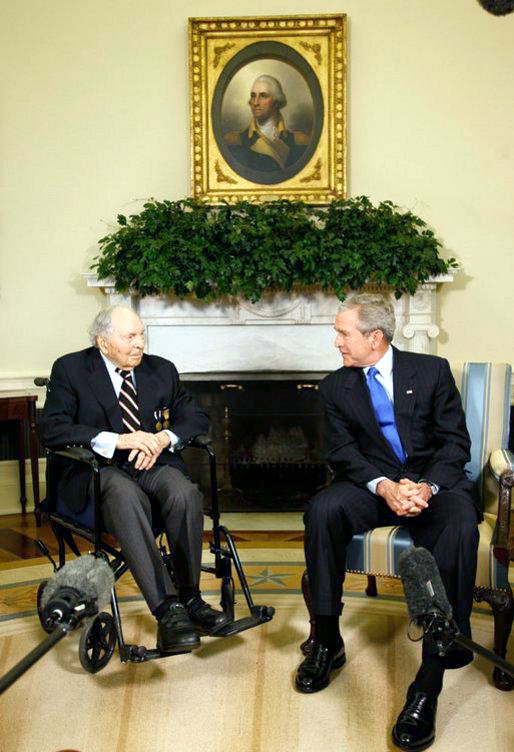
The United States House of Representatives and Senate proposed concurrent resolutions for Buckles to lie in state, in the Capitol rotunda. For reasons still unclear, the plan was blocked by Speaker John Boehner and Senate Majority Leader Harry Reid. Neither Boehner nor Reid would elaborate, proposing instead a ceremony in the Amphitheater at Arlington National Cemetery. The President of the United States personally attended the funeral.
Washington Post reporter Reporter Paul Duggan described the occasion:
“The hallowed ritual at grave No. 34-581 was not a farewell to one man alone. A reverent crowd of the powerful and the ordinary—President Obama and Vice President Biden, laborers and store clerks, heads bowed—came to salute Buckles’s deceased generation, the vanished millions of soldiers and sailors he came to symbolize in the end”.
Frank Woodruff Buckles, the last living American veteran of WW1 was survived by the British Women’s Royal Air Force (WRAF) servicewoman Florence Beatrice (Patterson) Green who died on February 4, 2012, at the age of 110.
Afterward
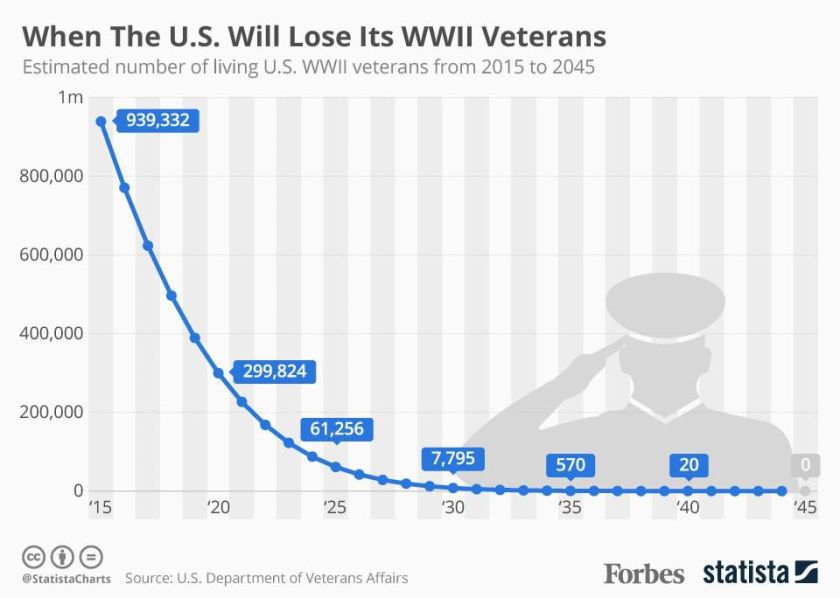
Sixteen million Americans joined with allies the world over to defeat the Axis Powers of World War 2. They were the children of Frank Buckles’ and Florence Green’s generation, sent to complete what their parents had begun. According to the Department of Veterans Affairs some 66,000 remained alive in 2024.
If actuarial projections are any indication, the Frank Buckles of his generation, the last living veteran of WW2, can be expected to pass from among us sometime around 2044.
That such an event should pass from living memory is a loss beyond measure.
In 1676, Isaac Newton wrote to rival Robert Hooke: “…If I have seen a little further, it is by standing on the shoulders of Giants.”
On June 6, 2019, CNN reported on the alarming number of US Military service deaths in training accidents, and other “circumstances unrelated to war. “Since 2006” they wrote, “a total of 16,652 active-duty personnel and mobilized reservists have died while serving in the US armed forces. Seventy-three percent of these casualties occurred under circumstances unrelated to war”.
We would hope that those to whom we entrust the lives of our best and brightest would learn and adjust in response, that those lives not be lost in vain. War is, after all, a dangerous business.
Be that as it may no service member’s life lost in ‘circumstances unrelated to war’ is any less valuable, any less heroic, than those who died facing the adversary.
Permit me to speak then, of “Exercise Tiger.” A dress rehearsal for the largest seaborne invasion in history, gone terribly wrong. Their sacrifice taught important lessons and saved the lives of unknown legions of heroes. They, too, have earned the right to be remembered.
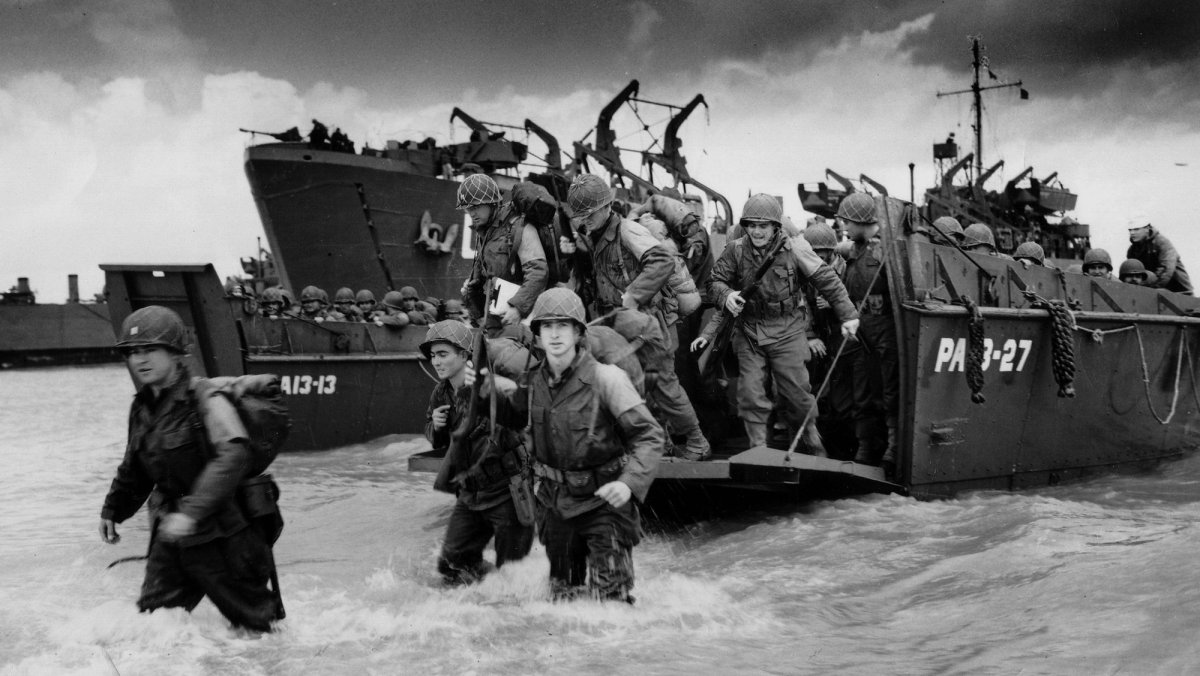
The largest amphibious attack in history began on June 6, 1944, on the northern coast of France. British and Canadian forces came ashore at beaches codenamed Gold, Juno and Sword. Americans faced light opposition at Utah Beach while heavy resistance at Omaha Beach resulted in over 2,000 American casualties.
By the end of day, some 156,000 Allied troops had stormed the beaches of Normandy. Within a week that number would rise to 326,000 troops, more than 50,000 vehicles and over 100,000 tons of equipment.
Overlord’s success resulted from lessons learned from the largest amphibious training exercise of the war, the six phases of “Operation Fabius”, itself following the unmitigated disaster of a training exercise that killed more Americans than the actual landing at Utah beach.
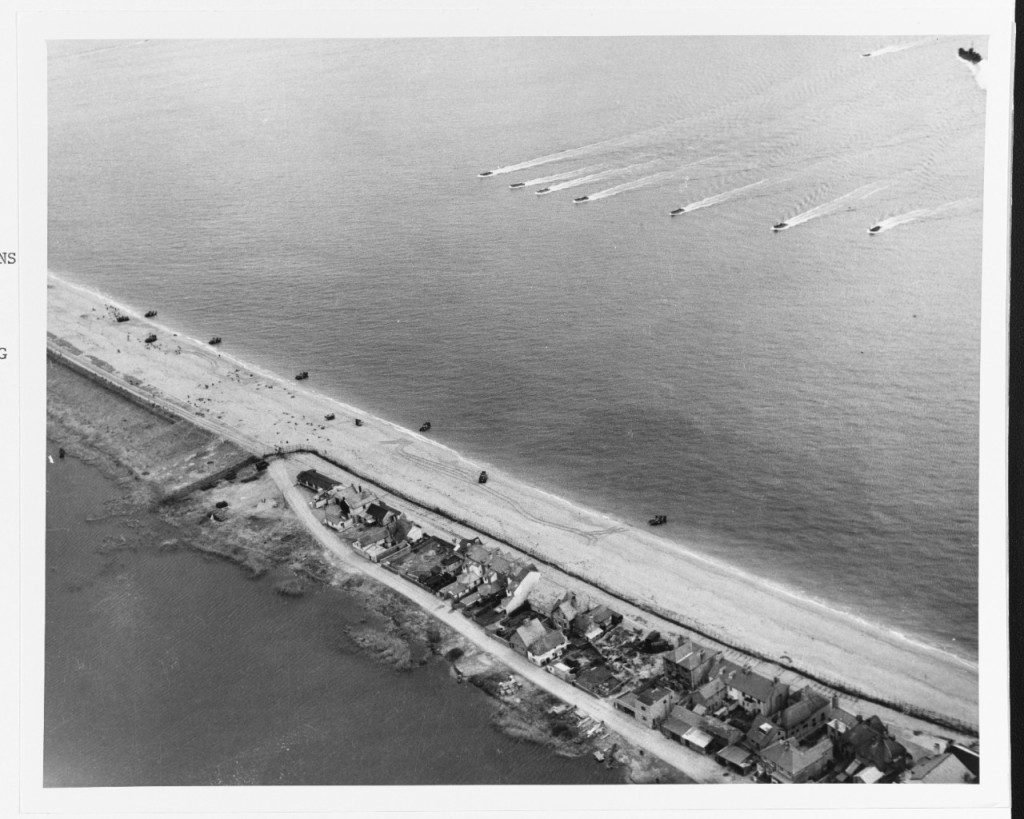
Slapton is a village and civil parish in the River Meadows of Devon County, where the southwest coast of England meets the English Channel. Archaeological evidence suggests human habitation from at least the bronze age. The “Domesday Book”, the recorded manuscript of the “Great Survey” of England and Wales completed in 1086 by order of William the Conqueror, names the place as “Sladone”, with a population of 200.
In late 1943, 750 families, some 3,000 locals, were evacuated with their livestock to make way for “Operation Tiger”, a D-Day landing rehearsal scheduled for the following spring. Some had never so much as left their home village.
Thousands of US military personnel were moved into the region during the winter of 1943-44. The area was mined and bounded with barbed wire and patrolled by sentries. Secrecy was so tight that even those in surrounding villages had no idea of what was happening.
Exercise Tiger was scheduled to begin on April 22, covering all aspects of the “Force U” landing on Utah beach and culminating in a live-fire beach landing at Slapton Sands at first light, on April 27.
Nine large tank landing ships (LSTs) shoved off with 30,000 troops on the evening of the 26th, simulating the overnight channel crossing. Live ammunition was used in the exercise, to harden troops off to the sights, sounds and smells of actual battle. Naval bombardment was to commence 50 minutes before H-Hour, however delays resulted in landing forces coming under direct naval bombardment. An unknown number were killed in this “friendly fire” incident. Fleet rumors put the number as high as 450.
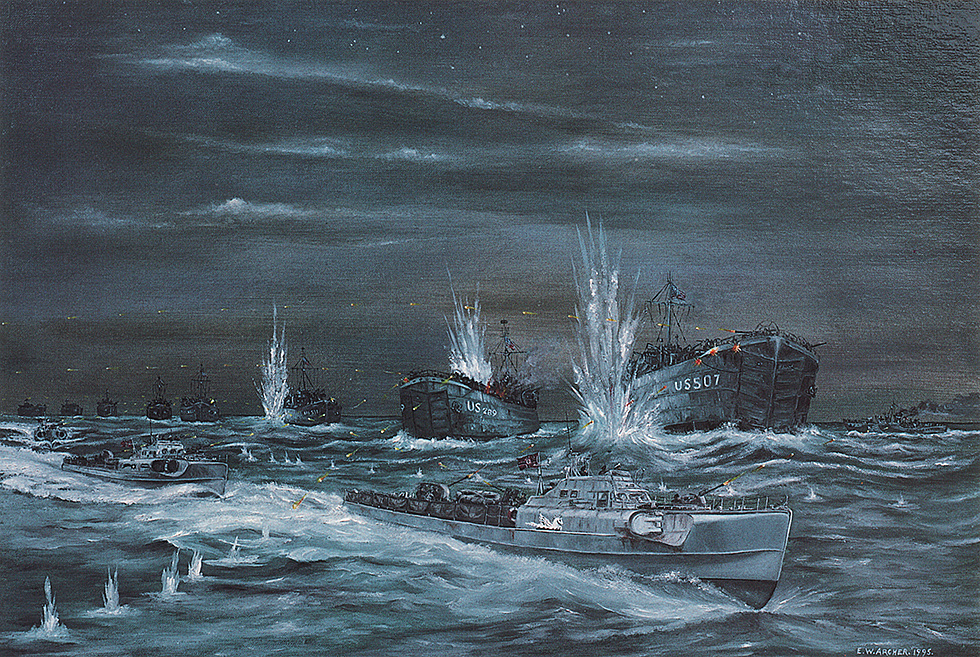
Two Royal Navy Corvettes, HMS Azalea and Scimitar, were to guard the exercise from German “Schnellboots” (“S-Boots”), the fast attack craft based out of Cherbourg.
Scimitar withdrew for repairs following a collision with an LST on the 27th. In the early morning darkness of the following day, the single corvette was leading 8 LSTs carrying vehicles and combat engineers of the 1st Engineer Special Brigade through Lyme Bay, when the convoy was spotted by a nine vessel S-Boat patrol.
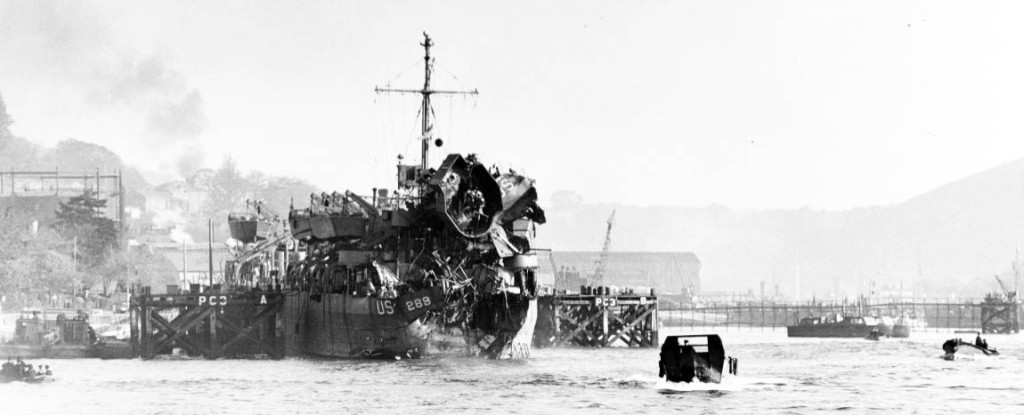
8 landing craft in single-file didn’t have a chance against fast-attack craft capable of 55mph. LST-531 was torpedoed and sunk in minutes, killing 424 Army and Navy personnel. LST-507 suffered the same fate, with the loss of 202. LST-289 made it to shore in flames, with the loss of 123. LST-511 was damaged in yet another friendly fire incident. Unable to wear their lifebelts correctly due to the large backpacks they wore, many men placed them around their waists. That only turned them upside down. That is how they died, thrashing in the water with their legs above the waves. Dale Rodman, who survived the sinking of LST-507, said, “The worst memory I have is setting off in the lifeboat away from the sinking ship and watching bodies float by.”
Survivors were sworn to secrecy due to official embarrassment, and the possibility of revealing the real invasion, scheduled for June. Ten officers with high level clearance were killed in the incident, but no one knew that for sure until their bodies were recovered. The D-Day invasion was nearly called off, because any of them could have been captured alive, revealing secrets during German interrogation and torture.
There’s a surprising amount of confusion about the final death toll. Estimates range from 639 to 946, nearly five times the number killed in the actual Utah Beach landing. Some or all the personnel from that damaged LST may have been aboard the other 8 on the 28th, and log books went down along with everything else. Many of the remains have never been found.
That number would surely have been higher, had not Captain John Doyle disobeyed orders and turned his LST-515 around, plucking 134 men from the frigid water.
Today, the Exercise Tiger disaster is all but forgotten. Some have charged official cover-ups, though information from SHAEF press releases appeared in the August edition of Stars & Stripes. At least three books contain the information. It seems more likely that the immediate need for secrecy and subsequent D-Day invasion swallowed the Tiger disaster, whole. History has a way of doing that.
Some of Slapton’s residents came home to rebuild their lives after the war, but many never returned. In the early 1970s, Devon resident and civilian Ken Small discovered an artifact of the Tiger exercise, while beachcombing on Slapton Sands. With little or no help from either the American or British governments, Small purchased rights from the U.S. Government to a submerged Sherman tank from the 70th Tank Battalion. The tank was raised in 1984 with the help of local residents and dive shops, and now stands as a memorial to Exercise Tiger. Not far away is a memorial to the villagers who never came home.
A plaque was erected at Arlington National Cemetery in 1995, inscribed with the words “Exercise Tiger Memorial”. A 5,000-pound stern anchor bears silent witness to Exercise Tiger in Mexico, Missouri, as does an M4 Sherman tank at Fort Rodman Park in New Bedford, Massachusetts.
In 1676, Isaac Newton wrote to rival Robert Hooke: “…If I have seen a little further, it is by standing on the shoulders of Giants.”
Today, we celebrate ‘The Boys of Pointe du Hoc’ and all the heroes of D-Day, for it is they who broke down the door to Fortress Europe. It is well that we should do this, and to remember. They, too, have stood on the shoulders of giants.
Roosevelt’s measure made no specific reference to ethnicity. Some 11,000 ethnic Germans and 3,000 ethnic Italians were sent away to internment camps but the vast preponderance, were of Japanese descent.
In January 1848, carpenter and sawmill operator James W. Marshall discovered gold in the foothills of the Sierra Nevada mountains, in California. Prospectors flocked to the Golden State from across the United States and abroad. The California Gold Rush had begun.
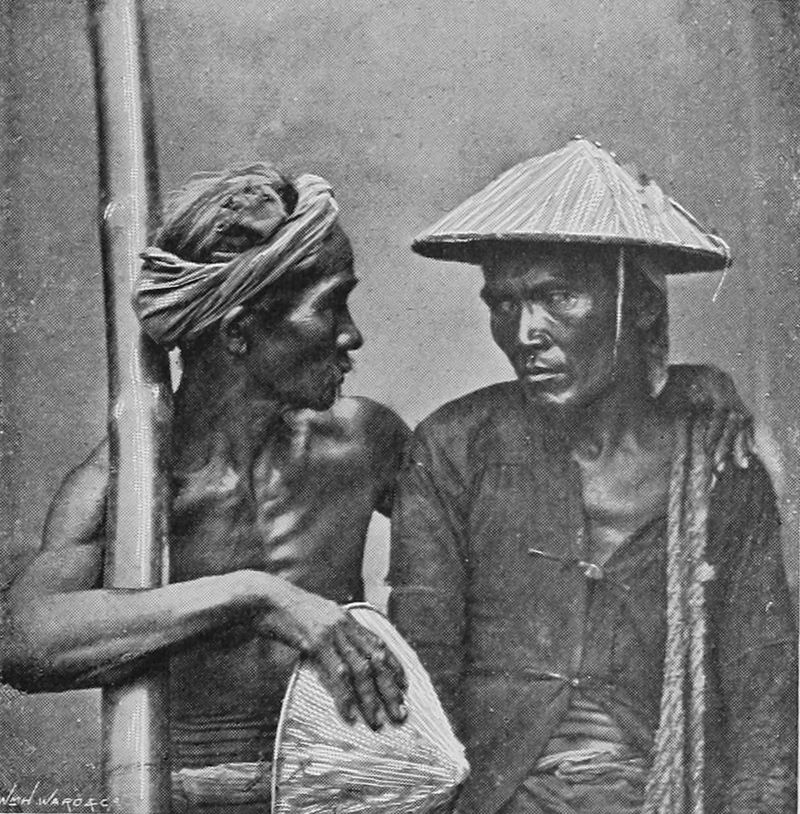
While not exactly welcoming, prospectors tolerated Chinese immigrants in the early period. Surface gold was plentiful in those days. Some even found the chopsticks and the broad conical hats of the Chinese mining camps, amusing. As competition increased, resentment began to build. Meanwhile in southern China, crop failures and rumors of the Golden Mountain, the Gam Saan, brought with it a tide of Chinese immigration. San Francisco saw a tenfold increase in 1852, alone. Now anything but amused, California lawmakers imposed a $3 per month tax on foreigners, explicitly aimed at Chinese miners.
Large labor projects like the trans-continental railroad and Canadian Pacific Railway fed the influx of Chinese “coolie” labor, eager to work for wages too small to be of interest to American laborers.
By 1870, fully 25 percent of the California state budget came from that single tax on Chinese miners. In 1882, President Chester A. Arthur signed the Chinese Exclusion Act, prohibiting the further immigration of Chinese laborers. This was the first and remains to this day the only law specifically targeted at a single ethnic group.
Meanwhile, the “gunboat diplomacy” of President Millard Fillmore determined to open Japanese ports to trade, with the west. By force, if necessary. By 1868, internal Japanese issues and the growing pressure of western encroachment had brought about the end of the Tokugawa Shōgunate and restoration of the Meiji Emperor.
The social changes wrought by the “Meiji Restoration” combined with abrupt opening to world trade plunged the Japanese economy into recession. Japanese emigrants had left the home islands since the 15th century, in pursuit of new opportunities. That was nothing compared with the new “Japanese diaspora” begun in 1868. 3.8 million “Nikkei” emigrated between 1868 and 1912, bound for destinations from Brazil to mainland China, the United States, Australia, Peru, Germany and others. Even Finland.
These were the Issei, first generation immigrants, ineligible for citizenship under US law. The immigrant generation kept to the ways of the land they had left behind forming kenjin-kai, social and aid organizations built around the prefecture from which they had come. Not so, the second generation. These were the Nisei, American-born US citizens, thoroughly assimilated to the culture to which their parents had come.
As with the earlier wave of Chinese immigrants, west coast European Americans became alarmed at the tide of Japanese immigration. Laws were passed and treaties signed, attempting to slow their number.
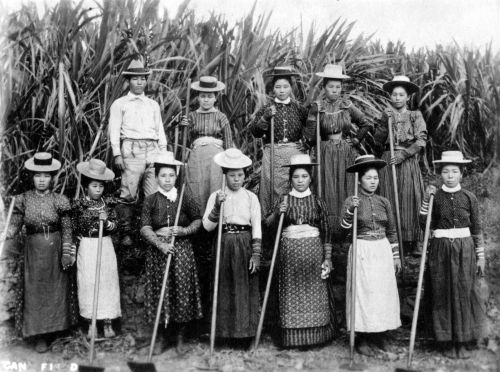
Japanese immigrants in Hawaii
In 1908, an informal “Gentleman’s agreement” between the US and Japan prohibited further immigration of unskilled migrants. A loophole allowed wives to join husbands already in the United States leading to an influx of “picture brides” – marriages arranged by friends and families and executed by proxy – many happy couples meeting for the first time, upon the arrival of the blushing bride. The immigration act of 1924 followed the example of the Chinese exclusion act of 1882, outright banning further immigration from “undesirable” countries.
By this time 200,000 ethnic Japanese lived in Hawaii, mostly laborers looking for work on the island’s sugar plantations. A nearly equal number settled on the west coast building farms, and small businesses.
From 1937, the rapid conquests of the Asian Pacific raised fears of the Imperial Japanese military. As relations soured between Japan and America, the Roosevelt administration took to surveillance of Japanese Americans. The government began to compile lists.
Following the surprise attack on Pearl Harbor, public sentiment came down largely on the side of Japanese Americans. The Los Angeles Times characterized the Nisei as “good Americans, born and educated as such”. That would change, soon enough. A member of the second attack wave on December 7, “Zero” pilot Shigenori Nishikaichi downed his crippled fighter on Ni’ihau, the westernmost island of the Hawaiian archipelago. Ignorant at first of what had taken place, Ni’hauans showed hospitality to the downed pilot. By the time it was over the whole thing turned violent, pitting the pilot and a small number of Issei and Nissei, in a deadly struggle against native Hawaiians.
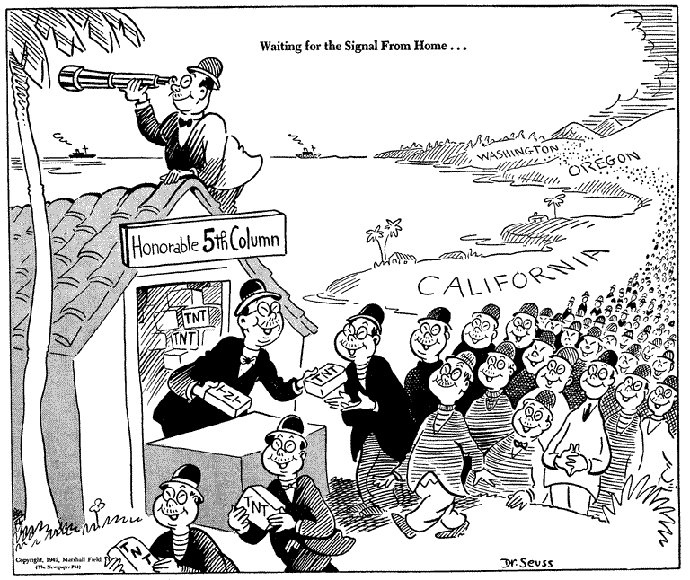
The “Ni’hau incident” combined with fears of 5th column activity to turn the tide of public opinion.
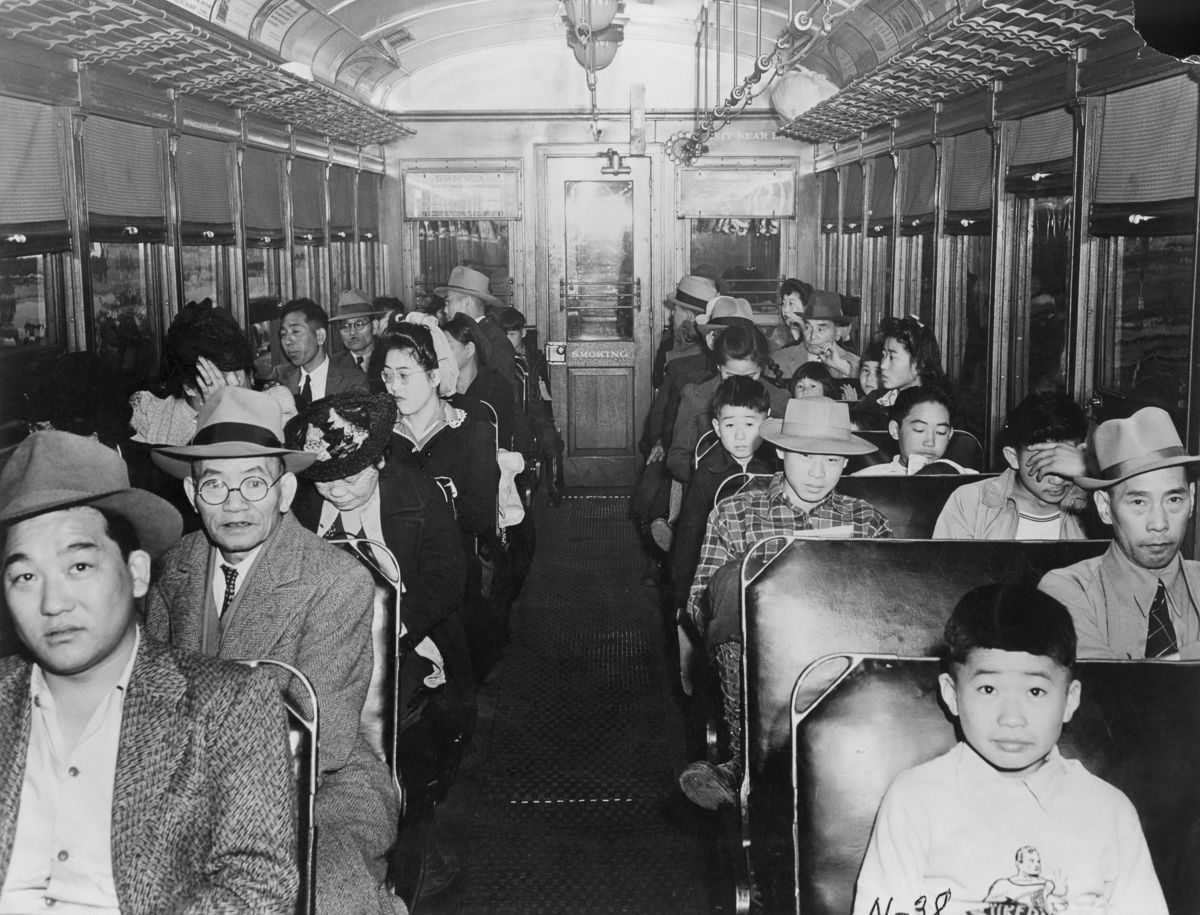
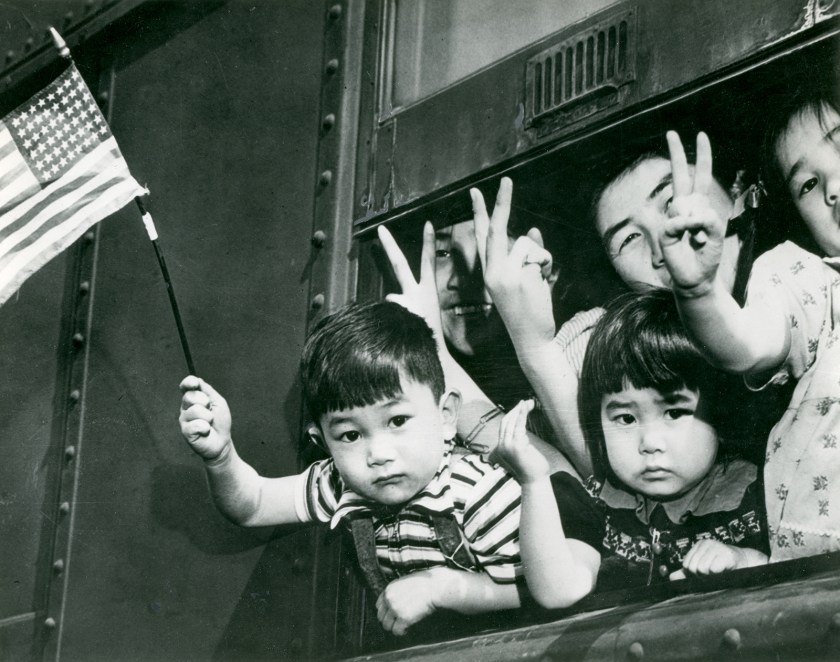
This and other images of the period leads us today, to the place where Dr. Seuss is “cancelled”.
General John Dewitt, a vocal proponent of what was to come opined: “The fact that nothing has happened so far is more or less . . . ominous, in that I feel that in view of the fact that we have had no sporadic attempts at sabotage that there is a control being exercised and when we have it it will be on a mass basis”.
On January 2, a Joint Immigration Committee of the California legislature attacked “ethnic Japanese” citizen and non-citizen alike, as “totally unassimilable”. The presidentially appointed Roberts Committee assigned to investigate the attack on Pearl Harbor accused persons of Japanese ancestry of espionage, leading up to the attack. By February, California Attorney General and future Supreme Court Justice Earl Warren was doing everything he could to persuade the federal government, to remove all people of Japanese ancestry from the west coast.
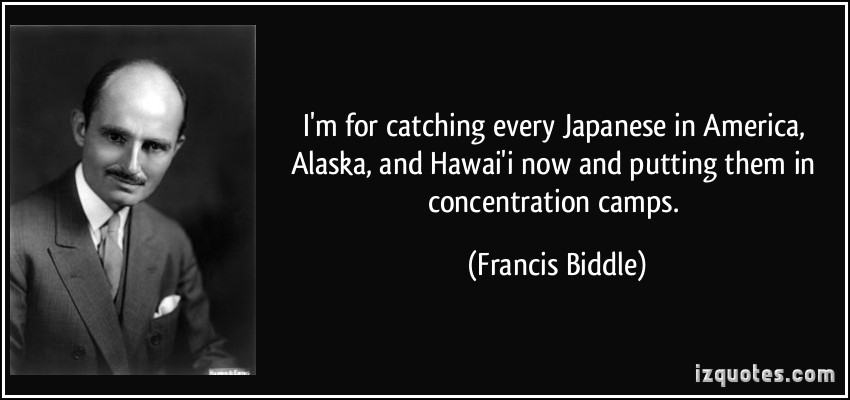
Roosevelt Attorney General Francis Beverley Biddle
On January 14, 1942, President Roosevelt signed Proclamation 2537 requiring “enemy aliens” to procure identification and carry it with them, “at all times”. The War Department, and Department of Justice were sharply divided but, no matter. Executive order 9066 signed February 19 directed the establishment of exclusion zones.
Secret Presidential commissions were appointed in early 1941 and again in 1942, to determine the liklihood of an armed uprising among Japanese Americans. Both reported no evidence of such a thing, one reporting: “the local Japanese are loyal to the United States or, at worst, hope that by remaining quiet they can avoid concentration camps or irresponsible mobs.”
That didn’t matter, either. The Senate discussed Roosevelt’s directive for an hour and the House, for thirty minutes. The President signed Public Law 77-503 on March 21 providing for enforcement, of his earlier directive.
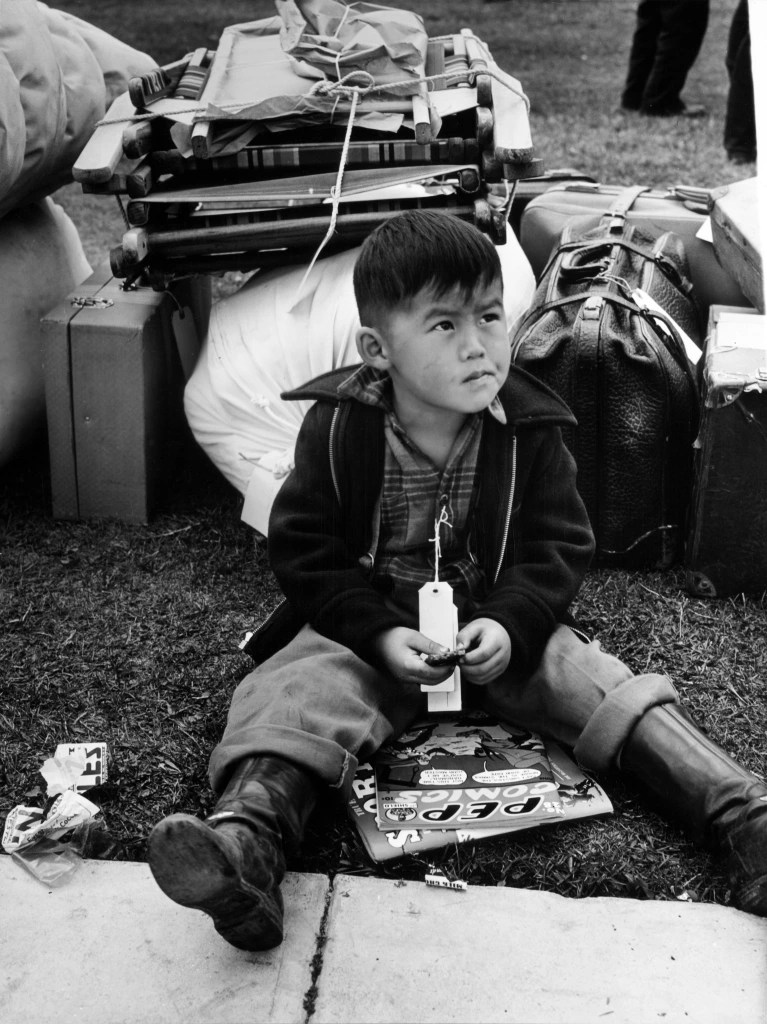
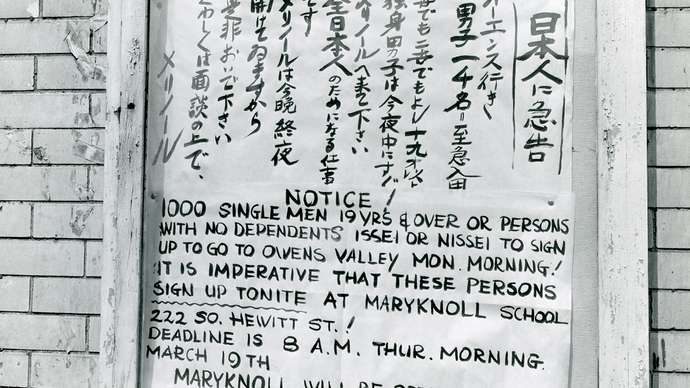
Roosevelt’s measure made no specific reference to ethnicity. Some 11,000 ethnic Germans and 3,000 ethnic Italians were sent away to internment camps but the vast preponderance, were of Japanese descent. Throughout the west coast some 112,000 ethnic Japanese were rounded up and held in relocation camps and other confinement areas, throughout the country. Surprisingly, only a “few thousand” were detained in Hawaii itself despite a population of nearly 40% ethnic Japanese.
Japantown handbill: H/T Library of Congress
Below: “A moving van being loaded with the possessions of a Japanese family on Bush Street in San Francisco’s Japantown, April 7, 1942. At right are the offices of the Japanese American Citizens League (JACL), the oldest Asian American civil rights organization in the United States. Shortly after this photo was taken, the Wartime Civil Control Administration (WCCA) took over the JACL building and repurposed it as a Civil Control Station for the collection and processing of “people of Japanese descent” prior to their transport to detention camps”.H/T Encyclopedia Britannica
Following the events at Peal harbor, Oakland California-born Fred Korematsu attempted to enlist in the Navy. Ostensibly rejected due to stomach ulcers, Korematsu believed the real reason was his Japanese ancestry. Korematsu refused deportation orders and went into hiding. The ACLU’s northern California director Ernest Besig brought Korematsu’s case before the courts despite opposition from Roosevelt allies in the national ACLU. Korematsu lost in federal court and the US court of appeals, becoming a pariah even among fellow detainees who felt he was nothing but a troublemaker. The US Supreme Court agreed to take the case and, on December 18, 1944, upheld the lower court verdict. A 6-3 opinion penned by Justice Hugo Black opined that, though suspect, internment was justified due to national circumstances of “emergency and peril”.
“Fourteen Days to Flatten the Curve, “right?
“There is but one way in which to regard the Presidential order empowering the Army to establish “military areas” from which citizens or aliens may be excluded. That is to accept the order as a necessary accompaniment of total defense”.
Washington Post, February 22, 1942
A second decision released that same day in the case, Ex Parte Endo, unanimously declared it illegal to detain Americans, regardless of ethnicity. In effect the two rulings established that, while eviction was legal in the name of military necessity internment was not, thus paving the way to their release.
The Japs in these centers in the United States have been afforded the very best of treatment, together with food and living quarters far better than many of them ever knew before, and a minimum amount of restraint. They have been as well fed as the Army and as well as or better housed. . . . The American people can go without milk and butter, but the Japs will be supplied.
Los Angeles Times, December 8, 1942
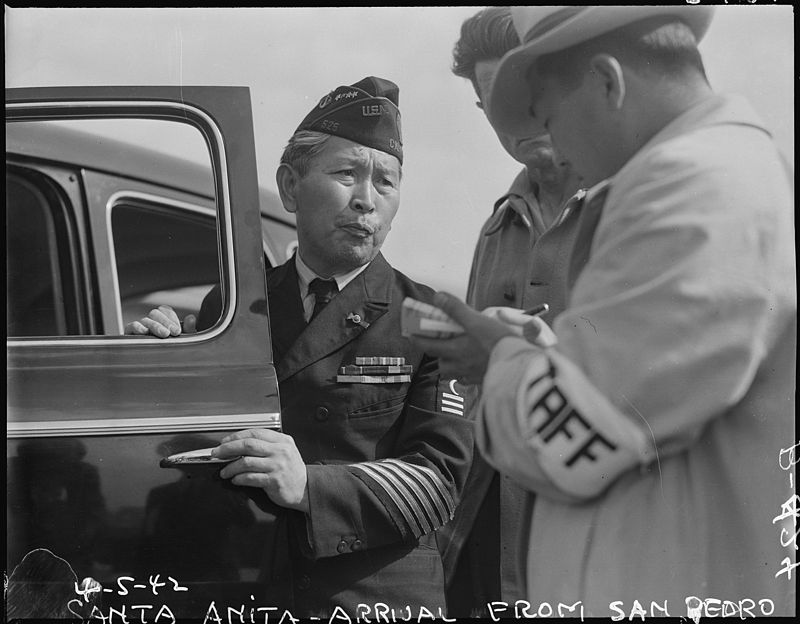
Among internment camps many were eager to prove themselves loyal Americans. Some were recruited for service in the armed forces. Many, volunteered. In April 1943 some 2,686 Japanese-Americans from Hawaii and 1,500 incarcerated in mainland camps, reported for duty at camp Shelby, in Mississippi. While many still had families in internment facilities, graduates were assigned to the segregated 442nd Regimental Combat team and sent off to fight the war, in Europe.
“Dressed in uniform marking his service in World War I, a U.S. Navy veteran from San Pedro enters Santa Anita Assembly Center (April 1942)”. H/T Wikipedia
With something to prove, every one of these guys fought like tigers. From Naples to Rome to the south of France, to central Europe and the Po Valley, the all-Nisei 442nd infantry lived up to its own motto’ “Go for Broke”. 14,000 men served in the 442nd earning over 4,000 Purple Hearts, 4,000 Silver Stars, 4,000 Bronze Medals and 21 Medals of Honor.
With 275 Texas National Guardsmen hopelessly cut off by German forces in the Vosges Mountains of France, ‘The Lost Battalion”, the 442nd infantry was sent in to get them out. In five days of savage combat, 211 of the Texas men were rescued. The Nisei of the 442nd suffered 800 casualties. Of 185 men who entered the fray from I Company only 8 emerged, unhurt. Company K sent 186 men against the Germans 169 of whom were either killed, or wounded.
For its size and length of service the 442nd became the most highly decorated unit, in US military history.
Fun fact: Ralph Lazo was so angry at the forcible relocation of his friends he voluntarily joined them, on the train. Deported to the Manzanar concentration camp in the foot of California’s Sierra Nevada mountains, he stayed there, for two years. The only non-spouse, non-Japanese-American, so detained. Nobody ever asked the man about his ethnicity (half Mexican, half Irish). Lazo was inducted into the US Army in 1944 and served as a Staff Sergeant in the South Pacific where he earned a Bronze Star for valor, in combat.
By this time, many younger Nisei had left to pursue new lives, east of the Rockies. Seven others were shot and killed, by sentries. Older internees had little to return to with former homes and business, gone. Many were repatriated to Japan, at least some, against their will. By the end of 1945, nine of the top ten War Relocation Authority ( WRA) camps were shut down. Congress passed the Japanese-American claims Act in 1948 but, with the IRS having destroyed most of the detainees 1939-’42 tax records, only a fraction of claims were ever paid out.
By the late 1980s, powerful Japanese-American members of the United States Congress such as Bob Matsui, Norm Mineta and Spark Matsunaga spearheaded a measure, for reparations. $20,000 paid to every surviving internee. President Ronald Reagan signed the measure into law on August 10, 1988. Over 81,800 qualified, receiving a total of $1.6 Billion.
The death rate for western prisoners in Japanese prisoner of war camps was seven times that of allied prisoners in Nazi Germany or Fascist Italy.
With increasing tensions between the Unites States and the empire of Japan, the “China Marines” of the Fourth Marine Regiment, “The Oldest and the Proudest”, departed Shanghai for the Philippines on November 27-28, 1941. The first elements arrived at Subic Bay on November 30.
A week later and 5,000 miles to the east, the radio crackled to life in the early – morning hours of December 7. “Air raid on Pearl Harbor. This is no drill!”
Military forces of Imperial Japan appeared unstoppable in the early months of WWII, attacking first Thailand, then the British possessions of Malaya, Singapore and Hong Kong, as well as US military bases in Hawaii, Wake Island, Guam and the Philippines.
On January 7, Japanese forces attacked the Bataan peninsula. The Fourth Marines, under Army command, were ordered to help strengthen defenses on the “Gibraltar of the East”, the heavily fortified island of Corregidor.
The prize was nothing less than the finest natural harbor in the Asian Pacific, Manila Bay, the Bataan Peninsula forming the lee shore and Corregidor and nearby Caballo Islands standing at the mouth, dividing the entrance into two channels. Before the Japanese invasion was to succeed, Bataan and Corregidor must be destroyed.
The United States was grossly unprepared to fight a World War in 1942. The latest iteration of “War Plan Orange” (WPO-3) called for delaying tactics in the event of war with Japan, buying time to gather US Naval assets to sail for the Philippines. The problem was, there was no fleet to gather. The flower of American pacific power in the pacific, lay at the bottom of Pearl Harbor. Allied war planners turned their attention to defeating Adolf Hitler.
General Douglas MacArthur abandoned Corregidor on March 12, departing the “Alamo of the Pacific” with the words, “I shall return”. Some 90,000 American and Filipino troops were left behind without food, supplies or support with which to fight off the onslaught of the Japanese 14th Army, under the command of Lieutenant General Masaharu Homma.
Battered by wounds and starvation, decimated by all manner of tropical disease and parasite, the 75,000 “Battling Bastards of Bataan” fought on until they could fight no more. Some 75,000 American and Filipino fighters were surrendered with the Bataan peninsula on April 9, only to begin a 65-mile, five-day slog into captivity through the unbearable heat and humidity, of the Philippine jungle.The Japanese were sadistic. Guards would beat marchers and bayonet those too weak to walk. Tormented by a thirst few among us can even imagine, men were made to stand for hours under a relentless sun, standing by a stream from which none were permitted to drink. The man who broke ranks and dove for the water was clubbed or bayoneted to death, on the spot. Japanese tanks would swerve out of their way to run over anyone who had fallen and was too slow in getting up. Some were burned alive, others buried alive. Already crippled from tropical disease and starving from the long siege of Luzon, wanton killing and savage abuse took the lives of some 500 – 650 Americans and between 5,000 – 18,000 Filipinos.
For those who survived the “Bataan Death March”, this was only the beginning of their ordeal.
United States Marine Corps 1st Lieutenant Austin Shofner came ashore back in November, with the 4th Marines. Shofner and his fellow leathernecks engaged the Japanese as early as December 12 and received their first taste of aerial bombardment, on December 29. Promoted to Captain and placed in command of Headquarters Company, Shofner received two Silver Stars by April 15 in near-constant defense against aerial attack.
For three months, defenders on Corregidor were required to resist near constant aerial, naval and artillery bombardment. All that on two scant water rations and a meager food allotment of only 30 ounces per day.
I don’t know about you, but I’ve eaten Steaks bigger than 30 ounces.
Beset as they were, seven private maritime vessels attempted to run the Japanese gauntlet, loaded with food and supplies. The MV Princessa commanded by 3rd Lieutenant Zosimo Cruz (USAFFE), was the only ship to arrive in Corregidor.
Japanese artillery bombardment intensified, following the fall of Bataan. Cavalry horses killed in the onslaught were dragged into tunnels and caves, and consumed. Japanese aircraft dropped 1,701 bombs in the tiny island during 614 sorties, armed with some 365-tons of high explosive. On May 4 alone, an estimated 16,000 shells hit the little island.
Malinta Tunnel
The final assault beginning May 5 met with savage resistance, but the outcome was never in doubt. General Jonathan Wainwright was in overall command of the defenders on Corregidor. Some 11,000 men comprised of United States Marines, Army and Navy and an assemblage of Filipino fighters. The “Malinta Tunnel” alone contained over a thousand, so sick or wounded as to be helpless. Fewer than half had even received training in ground combat techniques.
All were starved, sick, utterly exhausted. The 4th Marines was shattered, no longer an effective fighting force. With the May 6 landing of Japanese tanks, General Wainwright elected the preservation of life over continued slaughter in the defense of a hopeless position. Maine Colonel Samuel Howard ordered the regimental and national colors burned to prevent their capture, as Wainwright sent a radio message to President Roosevelt:
“There is a limit of human endurance, and that point has long been passed.”
Isolated pockets of marines fought on for four hours until at last, all was still. Two officers were sent forward with a white flag, to carry the General’s message of surrender. It was 1:30pm, May 6, 1941.Nearly 150,000 Allied soldiers were taken captive by the Japanese Empire during World War 2. Clad in unspeakably filthy rags they were fed a mere 600 calories per day of fouled rice, supplemented only by the occasional insect or bird or rodent unlucky enough to fall into desperate hands. Diseases like malaria were all but universal as gross malnutrition led to loss of vision and unrelenting nerve pain. Dysentery, a hideously infectious disease of the large intestine reduced grown men to animated skeletons. Mere scratches resulted in grotesque tropical ulcers up to a foot in length exposing living bone and rotting flesh to swarms of ravenous insects.
The death rate for western prisoners was 27.1% across 130 Japanese prison encampments. Seven times the death toll for allied prisoners in Nazi Germany, or Fascist Italy.Given such cruel conditions it’s a wonder anyone escaped at all but it did happen. One time.
Austin Schofner and his group were moved from camp to camp. Bilibid. Cabanatuan. Davao. Throughout early 1943, Schofner and others would steal away from work details to squirrel away small caches of food and tools, in the jungle. Nine fellow Marines and two Filipino soldiers were in on the scheme. On April 4, the 12 men quietly slipped away from work parties.
Over the long hours of April 5-6, the group crept through the jungle, dodging enemy patrols and managing to avoid detection, arriving on the 7th at a remote Filipino Guerrilla outpost. Guided by wild mountain tribesmen of the Ata Manobo, the Marines rejoined the 110th Division, 10th Military District, at this time conducting guerrilla operations against the Japanese occupiers.
Emaciated, sick and weak, these men had reached the end of an ordeal a year and a half in the making. It would be understandable if they were to seek out the relative safety of a submarine bound to Australia, but no. Those physically able to do so joined the guerrillas in fighting the Japanese.
Davao escapees from left to right, Maj. Stephen Mellnik, Lt. Cmdr. “Chick” Parsons, Lt. Cmdr. Melvyn McCoy, Capt. William Edwin Dyess, and Capt. Charley Smith pose for a photo before commencing their trek to rendezvous with the USS Trout. Image from nationalww2museum.org
Austin Shofner and his Marines were evacuated that November, aboard the submarine USS Narwhal. For the first time, Japanese atrocities came to light. The Death March, the torture, mistreatment and summary execution of Allied POWs. The public was outraged, leading to a change in Allied war strategy. No longer would the war in the Pacific take a back seat to the effort to destroy the Nazi war machine.
Now-Colonel Shofner volunteered to return to the Pacific where his experience helped with the rescue of 500 prisoners of the infamous POW camp at Cabanatuan on January 30, 1945.
An American military tribunal conducted after the war held Lieutenant General Homma Masaharu, commander of the Japanese invasion forces in the Philippines, guilty of war crimes. He was executed by firing squad on April 3, 1946.
The Davao Dozen conducted the only successful escape from a Japanese Prison camp in all World War 2. They deserve that we remember their names.
The only successful escape from a Japanese Prisoner of war camp in all World War 2, The “Davao Dozen” include Here are the names of the Americans in the Davao Dozen:
Second Lieutenant Leo Boelens First Lieutenant Michiel Dobervich Captain William Edwin Dyess Second Lieutenant Samuel Grashio First Lieutenant Jack Hawkins Lieutenant Commander Melvyn McCoy Sergeant Paul Marshall Major Stephen Mellnik Captain Austin Shofner Sergeant Robert Spielman Benigno de la Crus Victorio Jumarong
“First they came for the socialists, and I did not speak out—because I was not a socialist. Then they came for the trade unionists, and I did not speak out— because I was not a trade unionist. Then they came for the Jews, and I did not speak out—because I was not a Jew. Then they came for me—and there was no one left to speak for me”. – Martin Niemöller
“We shall go on to the end. We shall fight in France, we shall fight on the seas and oceans, we shall fight with growing confidence and growing strength in the air, we shall defend our island, whatever the cost may be. We shall fight on the beaches, we shall fight on the landing grounds, we shall fight in the fields and in the streets, we shall fight in the hills; we shall never surrender, and if, which I do not for a moment believe, this island or a large part of it were subjugated and starving, then our Empire beyond the seas, armed and guarded by the British Fleet, would carry on the struggle, until, in God’s good time, the New World, with all its power and might, steps forth to the rescue and the liberation of the old”.
Winston Churchill
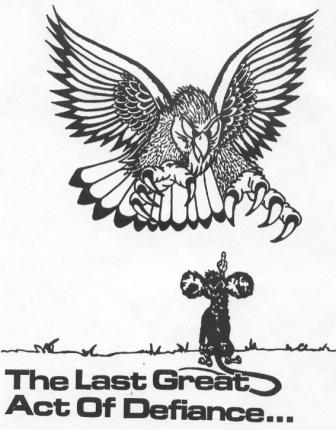
Before the age of the internet, office jokes and bits of folk wisdom were passed around and copied, and copied again. “The Last great of Defiance“ was one of those.
The image speaks for itself. I had one on the wall, for years. This is one of those stories.
The last great effort of German arms burst out of the frozen Ardennes forest on December 16, 1944, aiming for the vital port at Antwerp.
“Unternehmen Wacht am Rhein“, (“Operation Watch on the Rhine”) was a tactical surprise for the Wehrmacht, as allied forces were driven back through the densely forested regions of France, Belgium and Luxembourg. Wartime news maps showed a great inward “bulge” in the lines, and the name stuck. The Battle of the Bulge was the largest and bloodiest battle fought by American forces in World War 2, fought out in some of the harshest winter conditions in recorded history and involving some 610,000 GIs.
Prisoners were swept up by the thousands, to face an uncertain future. In Malmedy, Belgium, seventy-five captured Americans were marched into an open field and machine gunned by members of the 1st SS Panzer Division (Leibstandarte Adolf Hitler), a part of 6th Panzer Army.
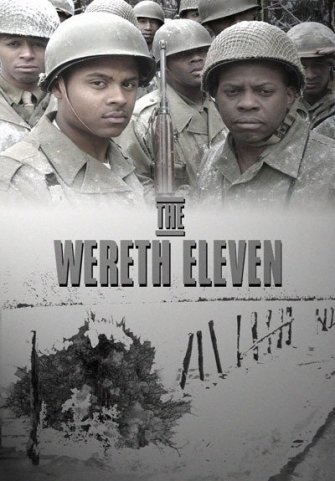
On December 16, the all-black 333rd Field Artillery Battalion of the racially segregated US Army put up an heroic defense outside the town of Wereth, Belgium. Using 155mm guns to delay the German advance they were desperately outnumbered. The 333rd was overrun the following day, groups of men scattering to escape as best they could. Eleven soldiers made their way to the home of Mathias Langer, the Mayor of Wereth.
Movie poster for the 2011 film, “The Wereth Eleven”
To shelter allied troops under German occupation was to risk summary execution. Despite the obvious risk to their own lives, Matthias and his wife Maria took these men in and attempted to hide them, in their home. When German troops arrived, the eleven surrendered rather than risk the lives of their benefactors.
Eleven men were marched out of sight and murdered by German troops. Every one of them. Lost in the confusion of the Bulge, the bodies of the Wereth 11 lay hidden under the snow, until the Spring melt. For the next fifty years their story was lost, to history.
Nazi atrocities were not limited to Allied troops. By some accounts, more civilians were killed during the Battle of the Bulge than anytime over the last four years. When the fighting was over, more than 115 bodies were found in the small villages of Ster and Parfondruy, alone.
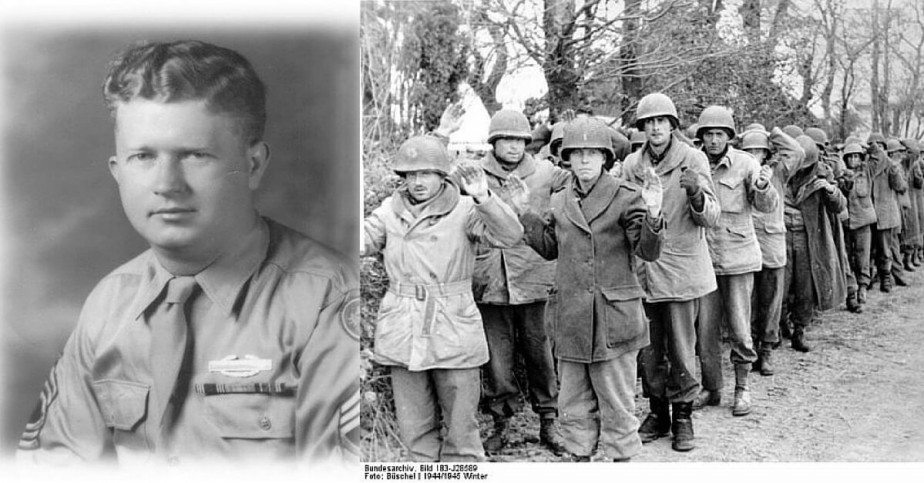
For Master Sargent Roderick “Roddie” Edmonds, the war ended on December 19, swept up with hundreds of American troops and taken prisoner. These were the lucky ones, enduring those first white-hot moments of capture to be sent alive to a German prisoner-of-war camp. Edmonds was later transferred to another camp near Ziegenhain, Germany. At the age of 24, Master Sergeant Roddie Edmonds was now the senior non-commissioned officer at Stalag IX-A, responsible for 1,275 American POWs.
Unsurprisingly, the Wehrmacht maintained harsh anti-Jewish policies and kept Jewish POWs in strict segregation. In the East, Russian Jews unfortunate enough to become POWs were immediately swept up, and sent to extermination camps. In the west, the future was more uncertain for Jewish POWs. Many of them were worked to death in slave labor camps.
On January 27, the first day at Stalag IX-A, commandant Siegmann ordered Edmonds: All American Jews were to identify themselves at the following day’s assembly. The word went out to all five barracks: “We’re not doing that. We’re all turning out“.
The following morning, 1,275 POWs presented themselves. Every. Single. Man.
Siegmann was perplexed. “They can’t all be Jews!” As senior NCO, Edmonds spoke for the group. “We’re all Jews here“. The Nazi commandant was apoplectic, pressing a Luger into Edmonds’ forehead. This is your last chance.
Imagine yourself in this situation and ponder, what would you do?
Edmonds gave his name, rank and serial number. : ‘If you are going to shoot’, he said, ‘ you are going to have to shoot all of us because we know who you are and you’ll be tried for war crimes when we win this war.’” Siegmann was incandescent, white with rage, but the moment passed. He was defeated.
The 1,275 American POWs held at Stalag IX-A were liberated on March 30, 1945, including some 200 Jews.
Years later the Army called once again and Roddie Edmonds was recruited, this time for the war in Korea. He never said a word not even to his family, of what happened at Stalag IX-A.
Chris Edmonds is the Pastor at Piney Grove Baptist Church in Maryville, Tennessee, and the son of Roddie Edmonds. Following his father’s death in 1985, Chris’ mother gave him his father’s war diary, where he found a brief mention of this story. Chris scoured the news for more information. This was around the time Richard Nixon was looking for his post-Presidential home. As it happened, Nixon bought his posh, upper-east side home from one Lester Tanner, a prominent New York Lawyer who mentioned in passing, he owed his life to Roddie Edmonds.
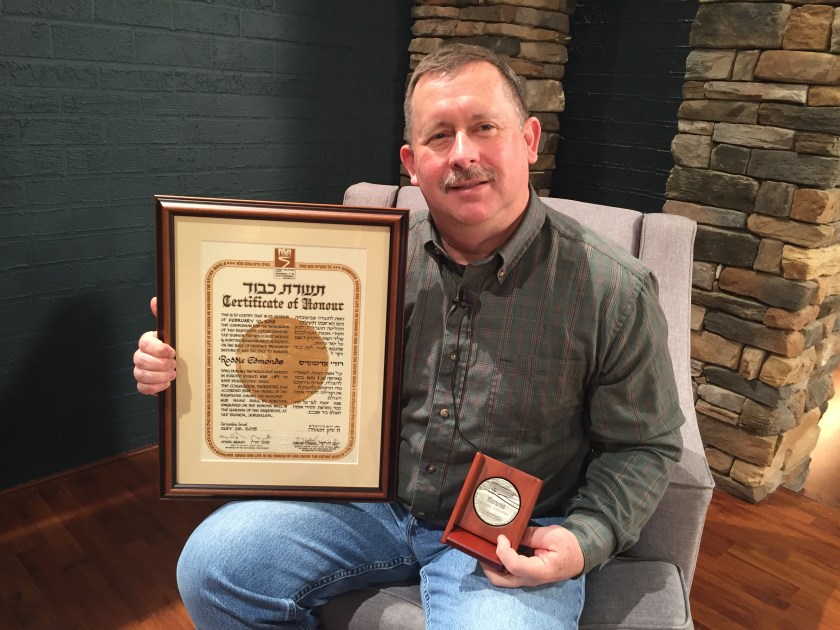
So it is, this story came to light. In 2015, Edmonds was honored as “Righteous among the Nations”, the first American soldier to be so honored. It’s the highest honor bestowed by the state of Israel, on non-Jews who risked their lives to save Jews from the Nazi death machine. President Barack Obama recognized Edmonds’ heroism in a 2016 speech before the Israeli embassy. In 2017 Tennessee Senator Marsha Blackburn led a bipartisan effort to bestow the Congressional Gold Medal.
Time.com wrote in August 2023, “He was praised at the ceremony by President Barack Obama for actions “above and beyond the call of duty,” although he has been denied the Medal of Honor by the Army because it claims that his actions were not undertaken in combat, a strange position given an enemy officer literally pointed a gun at Edmonds’ head”.
As I write this final passage, Pastor Edmonds and the Jewish veterans saved by M/Sgt Edmonds continue to push for the Knoxville, Tennessee native to receive the Medal of Honor. Pastor Edmonds says he always looked up to his father. The man had always been his hero. “I just didn’t know he had a cape in his closet“.
Begun on November 1, 1955, the American war in Southeast Asia lasted 19 years, 5 months and a day. On March 29, 1973, two months after signing the Paris Peace accords, the last US combat troops left South Vietnam as Hanoi freed the remaining POWs held in North Vietnam.
It was the longest war in American history, until Afghanistan.
Jan Scruggs served in that war. Two tours, returning home with a Purple Heart and three army commendation medals as well as a medal for valor. Theirs was an unpopular war. Like many he found readjustment to civilian life, difficult.
In 1979 he and Becky, his wife of five years, went to see a movie. The Deer Hunter. The film seemed to bring it all back. The RPG that had left him so grievously wounded. The accidental explosion of those mortar rounds that had killed his buddies. Twelve of them.
That night passed without sleep, a waking nightmare of flashbacks and alcohol. By dawn he’d envisioned a memorial. With names on it. Maybe an obelisk. On the Mall, in Washington DC. Becky feared he was losing his mind.
Scruggs was working for the department of labor at the time when he took a week off, to pursue the project.
The idea received little support. The project was impractical it was said, and besides, the project would distract veterans organizations from more important work. Undaunted, Scruggs left his job to pursue the project, full time.
It was tough going. Becky was now the sole breadwinner. In two months the project raised a scant $144.50.
Always a sign of the contemptible times in which we live, the CBS Evening News ridiculed the project. Late night “comedians” joined in the mockery and yet, that CBS report attracted the attention of powerful allies. Thousands of dollars came in from not-so-powerful contributors, mostly in $5 and $10 denominations.
Chuck Hagel, then deputy administrator for the United States Department of Veterans Affairs, took interest. Likewise John Wheeler, a fellow Vietnam vet – turned attorney who’d spearheaded the effort to erect the Southeast Asia Memorial on the military academy, at West Point.
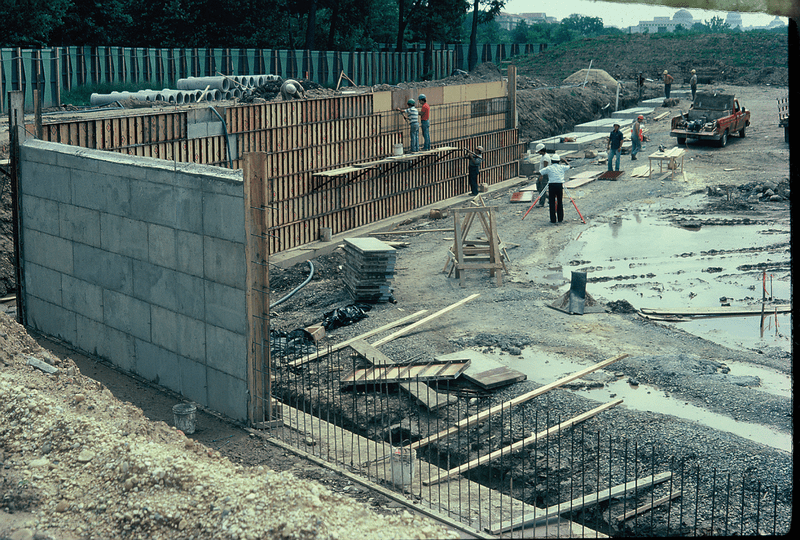
$8 million came in over the next two years and then came the competition. The actual design. There were 1,422 submissions, so many that selections were carried out in an aircraft hangar.
Much to her surprise, the winner was 1st-generation American of Chinese ancestry Maya Lin, then an undergraduate studying architecture, at Yale University.
“The Wall” was dedicated on this day. November 13, 1982.
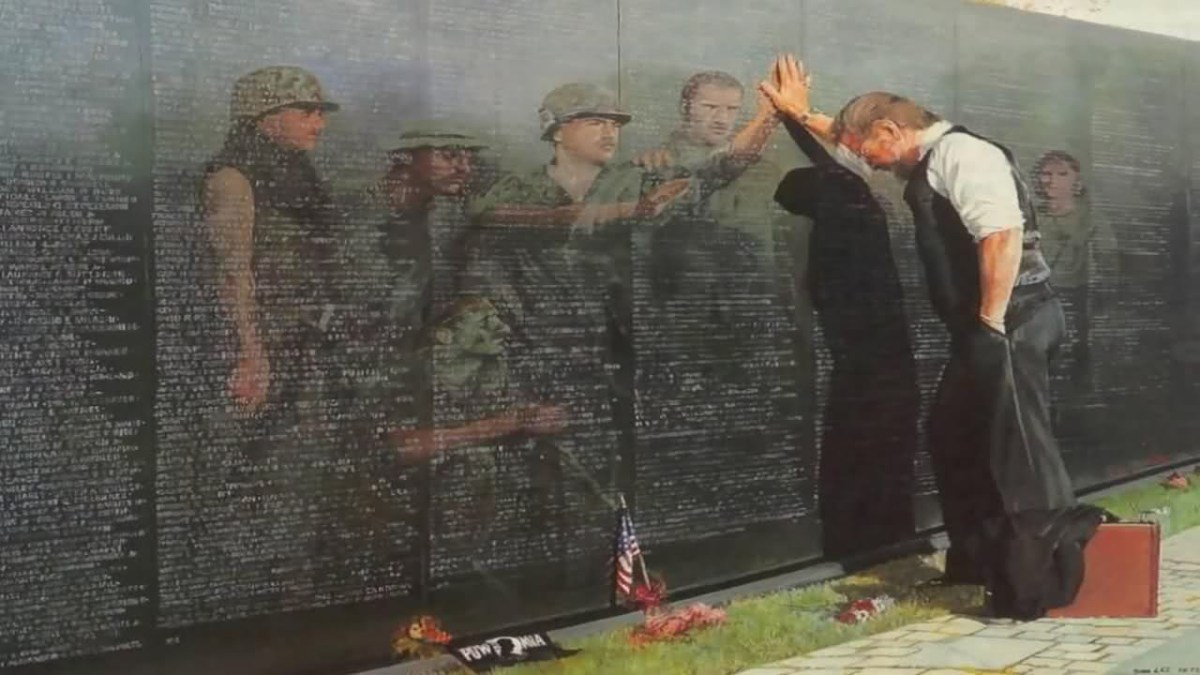
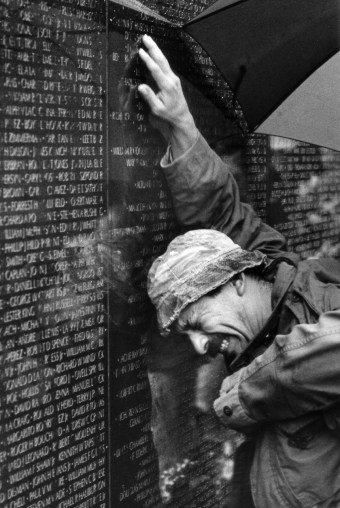
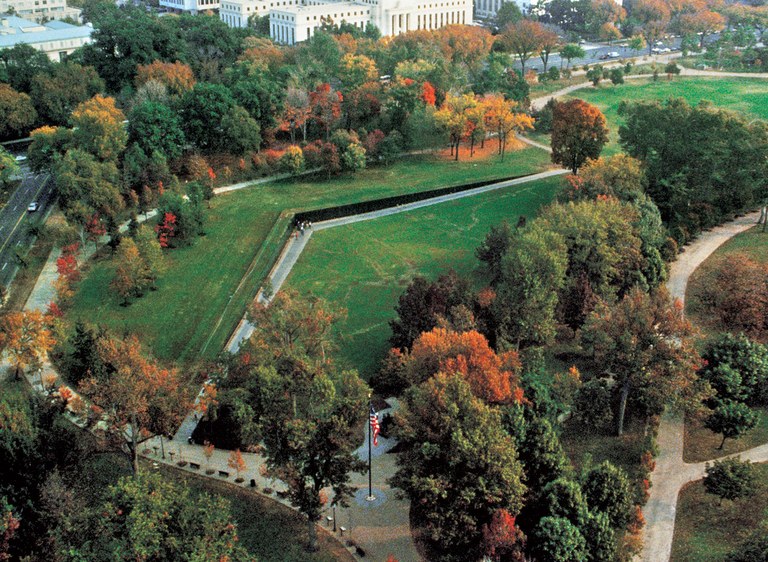
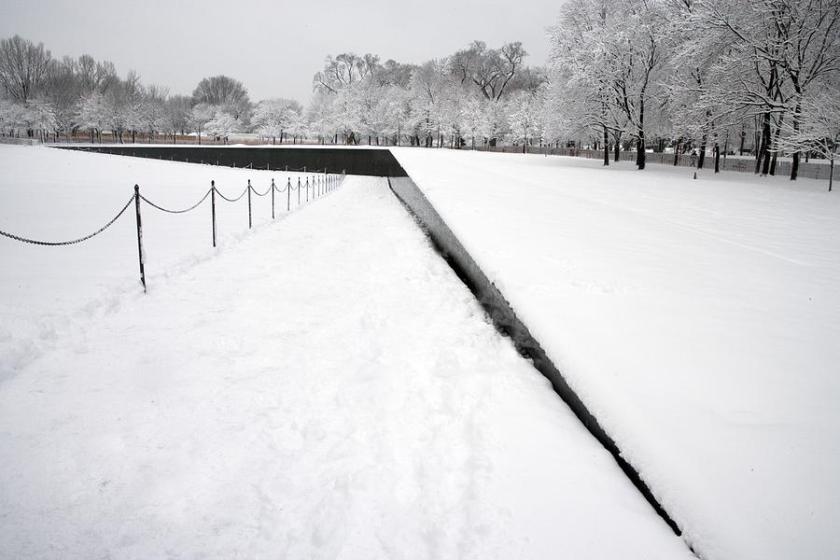
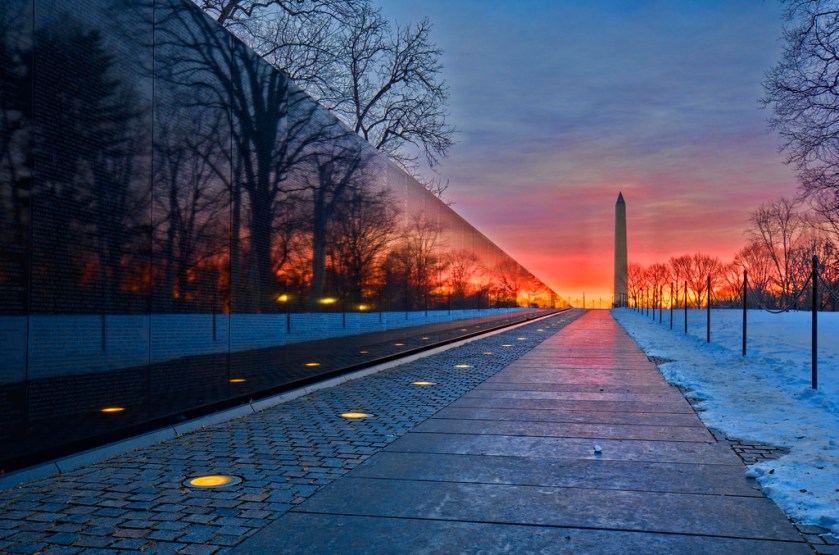
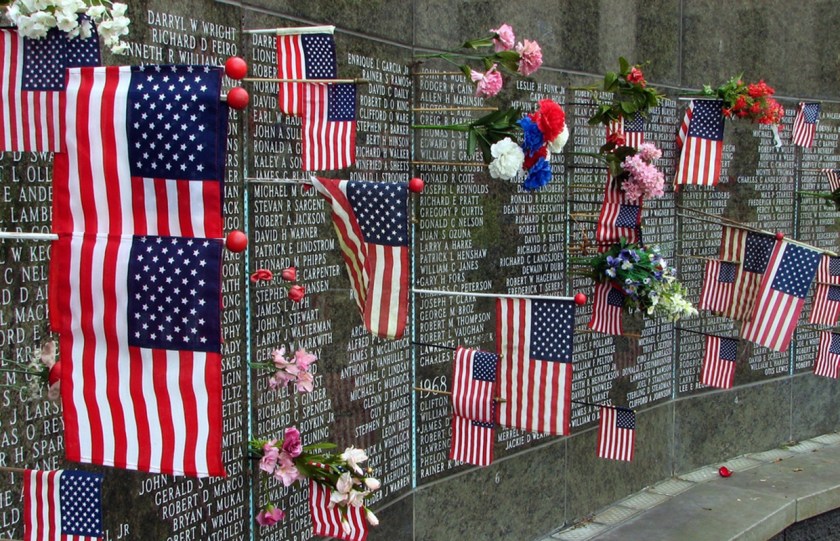
Lin’s design takes the form of a black granite wall, 493½-feet long and 10-feet, 3-inches high at its peak, laid out in a great wedge of stone seeming to rise from the earth and return to it. The name of every person lost in the war in Vietnam sandblasted onto stone, appearing in the order in which they were killed.
Go to the highest point on the memorial, panel 1E, the very first name is that of Air Force Tech Sgt. Richard B. Fitzgibbon, Jr. of Stoneham, Massachusetts, killed on June 8, 1956. Some distance to his right you will find the name of Marine Corps Lance Cpl. Richard B. Fitzgibbon III, killed on Sept. 7, 1965. The Fitzgibbons are one of three Father/Son pairs so memorialized.
The names begin at the center and move outward, the east wing ending on May 25, 1968. The same day continues at the far end of the west wing, moving back toward the center at panel 1W. The last name on the wall, the last person killed in the war, meets the first. The circle is closed.
There you will find the name of Kelton Rena Turner of Los Angeles, an 18-year old Marine, killed in action on May 15, 1975 during the “Mayaguez incident”, two weeks after the evacuation of Saigon.
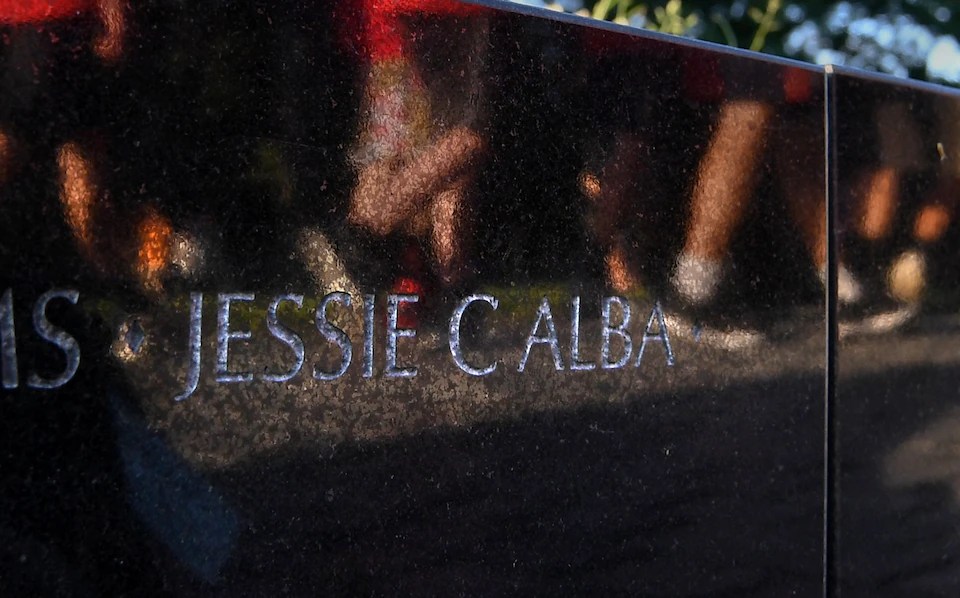
Approach from the east and the first name you will encounter is that of Sergeant Jessie C. Alba of Port Lavaca, Tex., who served in the 101st Airborne Division and was killed near Hue in a mortar attack. Sgt. Alba was engage to be married on the day he was killed. Mary Ann Lopez later wrote in an on-line tribute, “Even now after so many years past, I still think of him and what our lives, could of been.”
Those who go to war are never the only ones to serve and to sacrifice, on behalf of the rest of us.
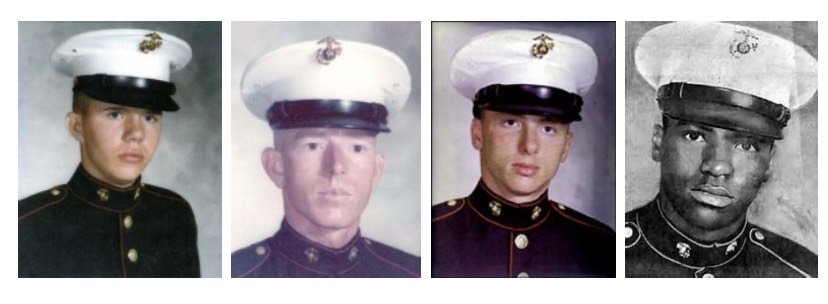
Most sources list Gary L. Hall, Joseph N. Hargrove and Danny G. Marshall as the last to die in Vietnam, though their fate remains, unknown. These were United States Marines, an M-60 machine gun squad, mistakenly left behind while covering the evacuation of their comrades, from the beaches of Koh Tang Island. Their names appear along with Turner’s on panel 1W, lines 130-131.
There were 57,939 names inscribed on the Memorial when it opened in 1982. 39,996 died at age 22 or younger. 8,283 were 19 years old. The 18-year-olds are the largest age group, with 33,103. Twelve of them were 17. Five were 16. There is one name on panel 23W, line 096, that of PFC Dan Bullock, United States Marine Corps. He was 15 years old on June 7, 1969. The day he died.
Left to right: PFC Gary Hall, KIA age 19, LCPL Joseph Hargrove, KIA on his 24th birthday, Pvt Danny Marshall, KIA age 19, PFC Dan Bullock, KIA age 15
Eight names belong to women, killed while nursing the wounded. 997 soldiers were killed on their first day in Vietnam. 1,448 died on their last. There are 31 pairs of brothers on the Wall. 62 parents left to endure the loss of two sons.
As of Memorial Day 2015, there are 58,307, as the names of military personnel who succumbed to wounds sustained during the war, were added to the wall.
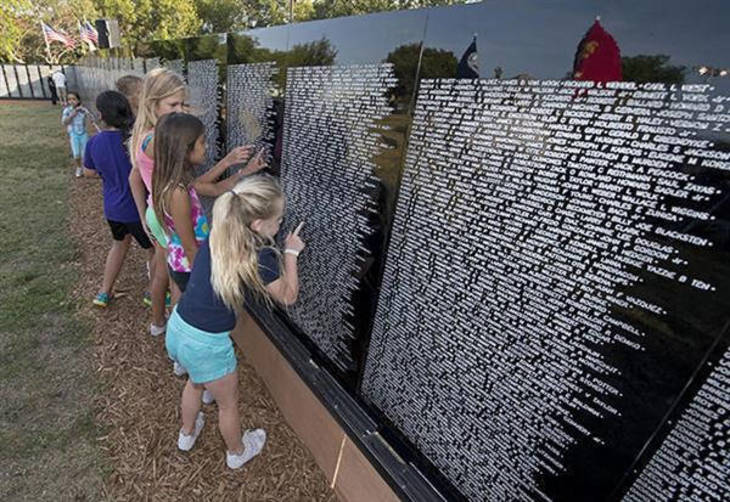
Over the years, the Wall has inspired a number of tributes, including a traveling 3/5ths scale model of the original and countless smaller ones, bringing the grandeur of Lin’s design to untold numbers without the means or the opportunity, to travel to the nation’s capital.
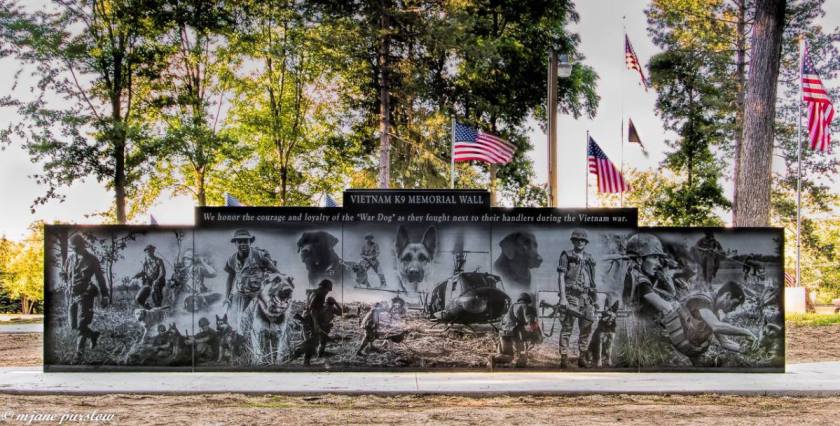
In South Lyons Michigan, the black marble Michigan War Dog Memorial pays tribute to the names and tattoo numbers of 4,234 “War Dogs” who served in Southeast Asia, the vast majority of whom were left behind as “surplus equipment”.
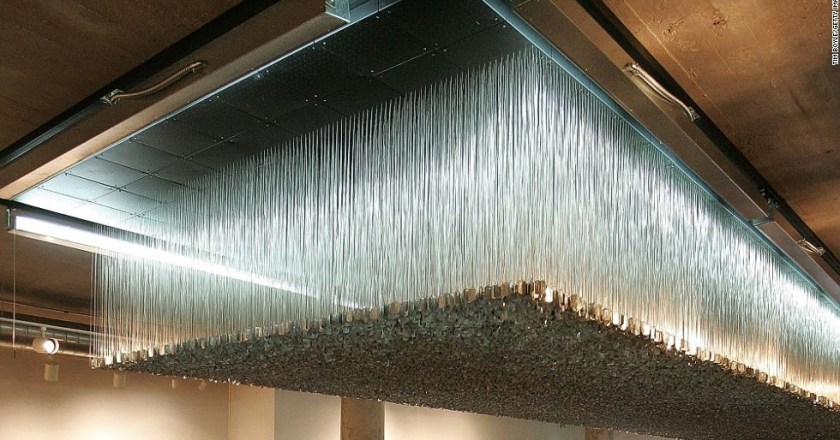
There is even a Vietnam Veterans Dog Tag Memorial, at the Harold Washington Library, in Chicago.
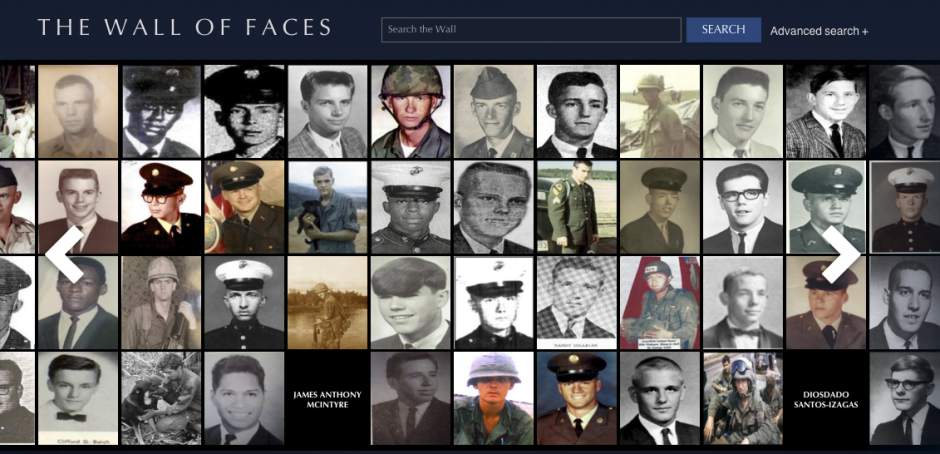
Ten years ago, the Vietnam Veterans Memorial Fund, www.vvmf.org began work on a virtual “Wall of Faces”, where each name is remembered with a face, and a story to go with it. In 2017, the organization was still looking for 6,000+ photographs. As I write this there remain only 200, yet to be discovered.
Check it out. Pass it around. You might be able to help.
I was nine years old in May 1968, the single deadliest month of that war with 2,415 killed. All these decades later later I still recall the way so many disgraced themselves, in the way they treated those returning home from that place.
Even today as veterans of the war in Vietnam know the appreciation that is their due, the scars run deep for the recognition too often denied, those many years ago.
Now in the modern era we trust and expect our countrymen will remember. Any issue taken with US war policy, needs to brought up with the politicians who craft that policy. Not a member of the Armed Services, doing what his nation called on him to do.
Before they had numbers, the “war to end wars” had Jackie the Baboon and Whiskey & Soda, the lion cub mascots of the Lafayette flying corps. World War II and Wild Bill Crump had Jeep, the only coyote and four-legged co-pilot to serve in the air war to retake Europe, from the Nazi occupier.
John William “Wild Bill” Crump was destined for the air. Born in 1924 in the Pacific Northwest village of Opportunity Washington, the boy’s first experience with the air came on a flight with his Dad, at the age of 5.
Attending nearby Edmonds High School and graduating in 1943, it is myedmondnews.com from which I have learned much of this story.
Hat tip Crump family, via myedmondsnews
The world was at war in 1944, and badly in need of pilots. Wild Bill Crump arrived at Harding Field, Nebraska at the age of 20 to complete pilot training.
While earning his wings, Crump found the most unlikely of co-pilots. Abandoned and alone, it was a two week old puppy. A young coyote, in need of a home.
“Eugene the Jeep” came to public attention eight years earlier, in the Popeye cartoon strip by E.C. Sugar (rhymes with cigar).
Eugene was a dog sort of character, with the magical power to go…anywhere.
In the early phase of World War II, military contractors labored to develop an off-road vehicle, capable of going anywhere, or close to it. Like Popeye’s sidekick Eugene, the General Purpose GP (“Jeep”) was just the thing. Eventually, the name stuck.
Of course, Crump named his new sidekick, “Jeep”.
Next came Baton Rouge and training on the iconic P-47, the high altitude fighter-bomber and foremost ground attack aircraft of the American war effort, in WW2.
The P-47 cockpit was built for only one pilot, but regulations said nothing about a coyote.
So it was that, here in Baton Rouge, the pair learned to work together. When orders came for England, there was little question of what was next. The luxury liner RMS Queen Elizabeth converted to a troop ship would hardly notice the small coyote, smuggled on-board.
Actual footage from Wild Bill’s P51 Squadron
Next came RAF Martlesham Heath Airfield in Ipswich, England and the 360th fighter squadron, 359th fighter group.
Jeep became the unit mascot with his own “dog tags” and vaccination records. He’d often entertain the airmen taking part in howling contests.
Curled up in the cockpit Jeep accompanied Crump on no fewer than five combat missions. One time, a series of sharp barks warned the pilot of incoming flak.
Crump logged 311 combat hours on 77 missions aboard the P51 Mustang “Jackie,” named after his high school sweetheart. Painted on the fuselage next to her name was the image of a coyote.
Wild Bill Crump survived the war. Sadly, his co-pilot, did not. On October 28, 1944, a group of children brought Jeep to school, to show the animal off. Tied to a tree in the rain he slipped his leash and was run over by a military vehicle, attempting to return to his base.
Jeep was buried with full military honors in a grave outside Playford Hall in Ipswich, England.
Before they had numbers, the “war to end wars” had Jackie the Baboon and Whiskey & Soda, the lion cub mascots of the Lafayette flying corps. World War II and Wild Bill Crump had Jeep, the only coyote and four-legged co-pilot to serve in the air war to retake Europe, from the Nazi occupier.
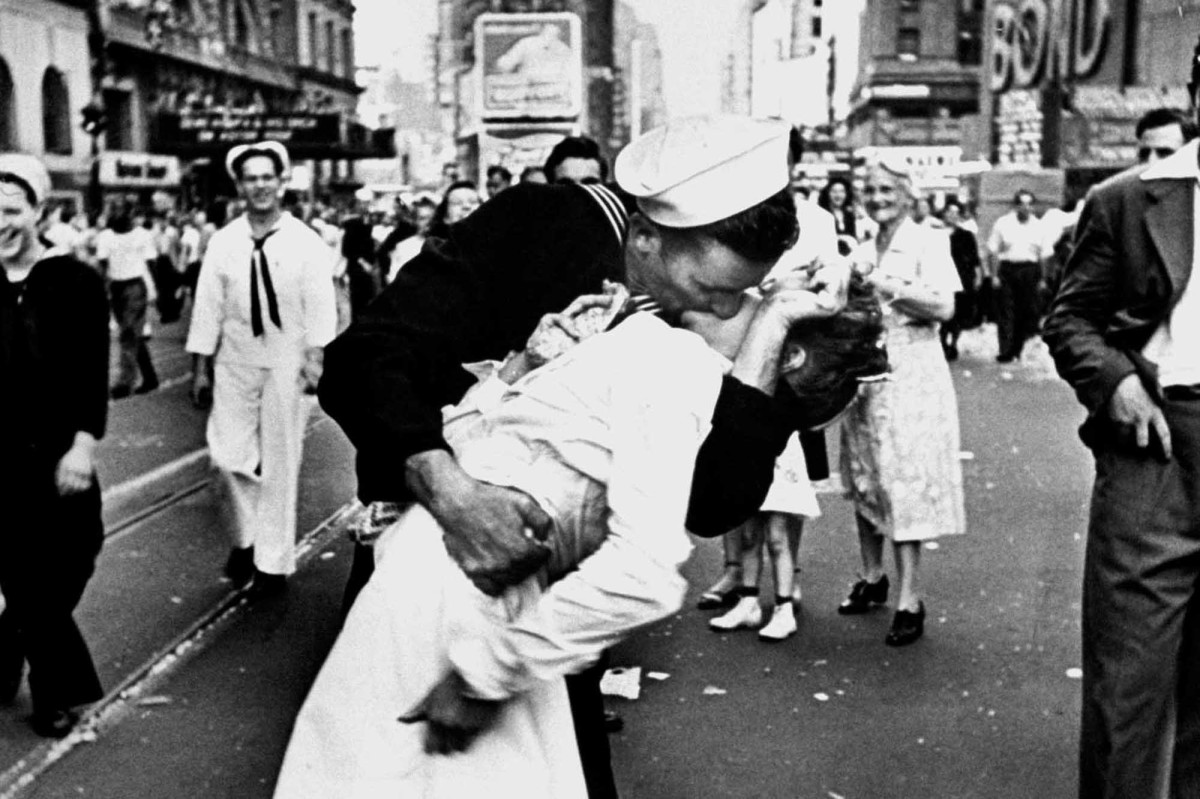
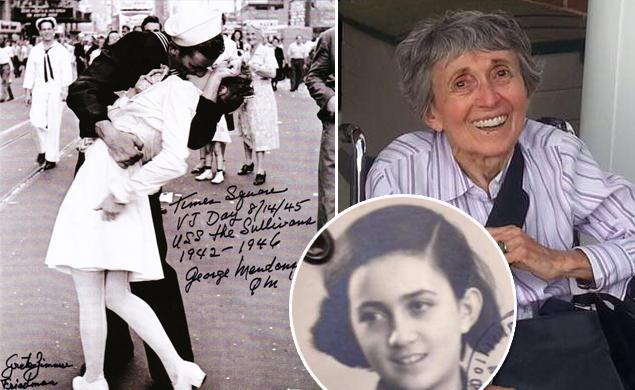
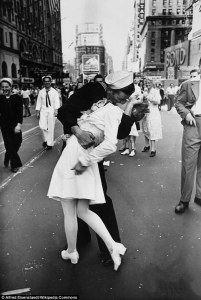
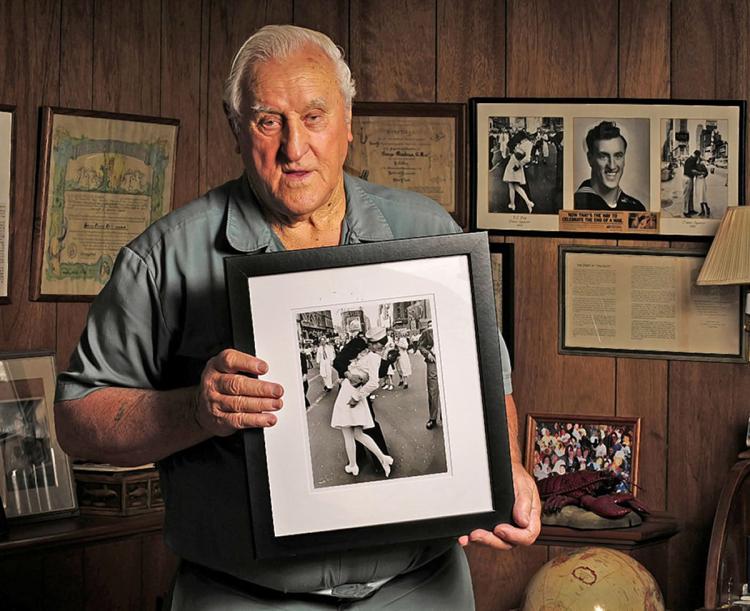
The message running across the Times Building read, “VJ, VJ, VJ, VJ”. George Mendonsa grabbed a random stranger in nurse’s uniform and kissed her. The moment was gone in two seconds, but Alfred Eisenstaedt’s camera was in the right place, at the right time.
The most destructive war in history ended on August 14, 1945, with the unconditional surrender of the Empire of Japan.
Even as morning dawned on the east coast, President Harry Truman had yet to receive the formal surrender. Rumors were flying throughout the small hours, while the White House official announcement was still hours away.
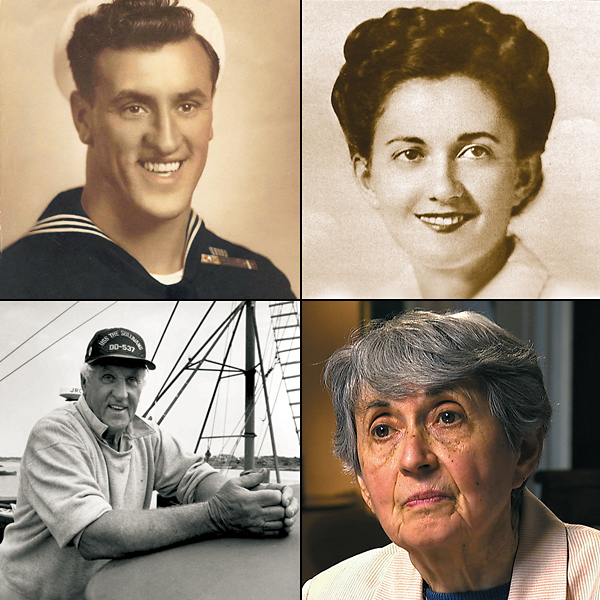
Born and raised in Austria, Greta Zimmer was 16 in 1939. Seeing the war bearing down on them, Greta’s parents sent her and her two sisters to America, not knowing if they would ever see them again. Six years later she was a dental assistant, working at the Manhattan office of Dr. J. L. Berke.
Greta’s lunch break came just after 1:00 that day. Patients had been coming into the office all morning with rumors that the war was over. She set out for Times Square, knowing that the lit and moving type on the Times news zipper would give her the latest news.George Mendonsa, Greta Zimmer-Friedman
Petty Officer 1st Class George Mendonsa was on his last day of shore leave, spending the day with his new girlfriend, Rita Petry. They had heard the rumors too, but right now they were enjoying their last day together. The war could wait until tomorrow.
The couple went to a movie at Radio City Music Hall, but the film was interrupted by a theater employee who turned on the lights, announcing that the war was over. Leaving the theater, the couple joined the tide of humanity moving toward Times Square. The pair stopped at the Childs Restaurant on 7th Ave & 49th, where bartenders were pouring anything they could get hands on into waiting glasses. Revelers were scooping them up as fast as the glasses were filled.
Mendonsa’s alcohol-powered walk/run from the restaurant left Rita trailing behind, but neither one seemed to mind. Times Square was going wild.
The sailor from the USS Sullivans had seen bloodshed. He’d been there on May 11, as kamikaze planes smashed into the USS Bunker Hill. Explosions and fires killed 346 sailors that day. 43 of their bodies would never be found. Mendonsa had helped to pull the survivors, some of them hideously burned, out of the water. He had watched while Navy nurses tended to the injured and the dying.
When the sailor spotted Greta Zimmer, the dental assistant was dressed the same way. To him, she must have seemed like one of those white-clad angels of mercy from those earlier months.
Reporters from the AP, NY Times, NY Daily News and others descended on Times Square to record the spontaneous celebration.
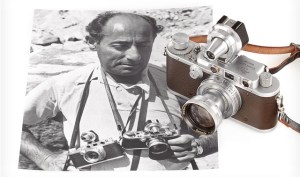
As a German Jew in the 1930s, Alfred Eisenstaedt had photographed the coming storm. He had photographed Benito Mussolini’s first meeting with Adolf Hitler in Venice in 1934. Now he and his Leica Illa rangefinder camera worked for Life Magazine, heading to Times Square in search of “The Picture”.
The lit message running around the Times Building read, “VJ, VJ, VJ, VJ” as George Mendonsa grabbed a stranger and kissed her. Two seconds later the moment was gone, but Eisenstaedt and his camera had been in the right place at the right time.
In time, the image of the sailor kissing the nurse became as famous as Joe Rosenthal’s photo of the flag raising at Iwo Jima.
The German made camera which took the iconic image recently went to auction at the Westlicht auction house in Vienna, where it was expected to sell for $30,000. The winning bid was almost $150,000.
After the war, Greta Zimmer learned that both of her parents had died in the camps. She later married and made her home in Frederick, Maryland. Greta Zimmer Friedman never returned to Austria, and passed away in 2017, at the age of 92.
George Mendonsa and Rita Petry later married. George never saw the famous photograph until 1980. At first he wasn’t sure he was looking at his own image.
In 1918, the couple celebrated their 68th wedding anniversary. Rita says she wasn’t angry to see her husband kiss another woman like that. She can be seen herself in the famous photo, grinning in the background.
In 2018, the couple celebrated their 68th wedding anniversary. Rita says she wasn’t angry to see her husband kiss another woman. She can been seen grinning in the background, she points out. She will admit, though, ‘In all these years, George has never kissed me like that.’













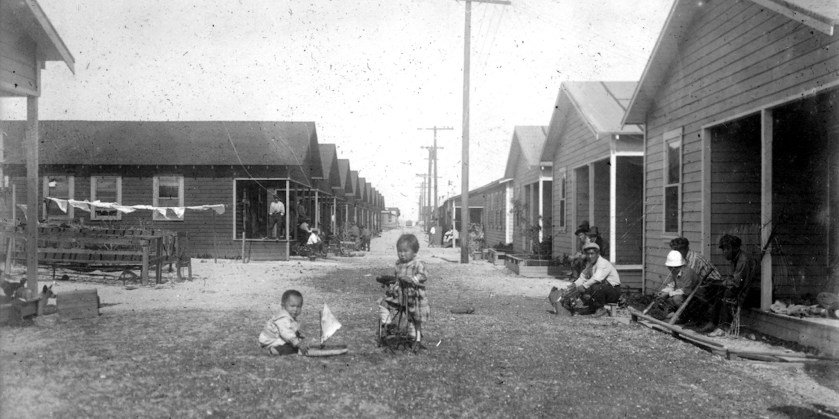


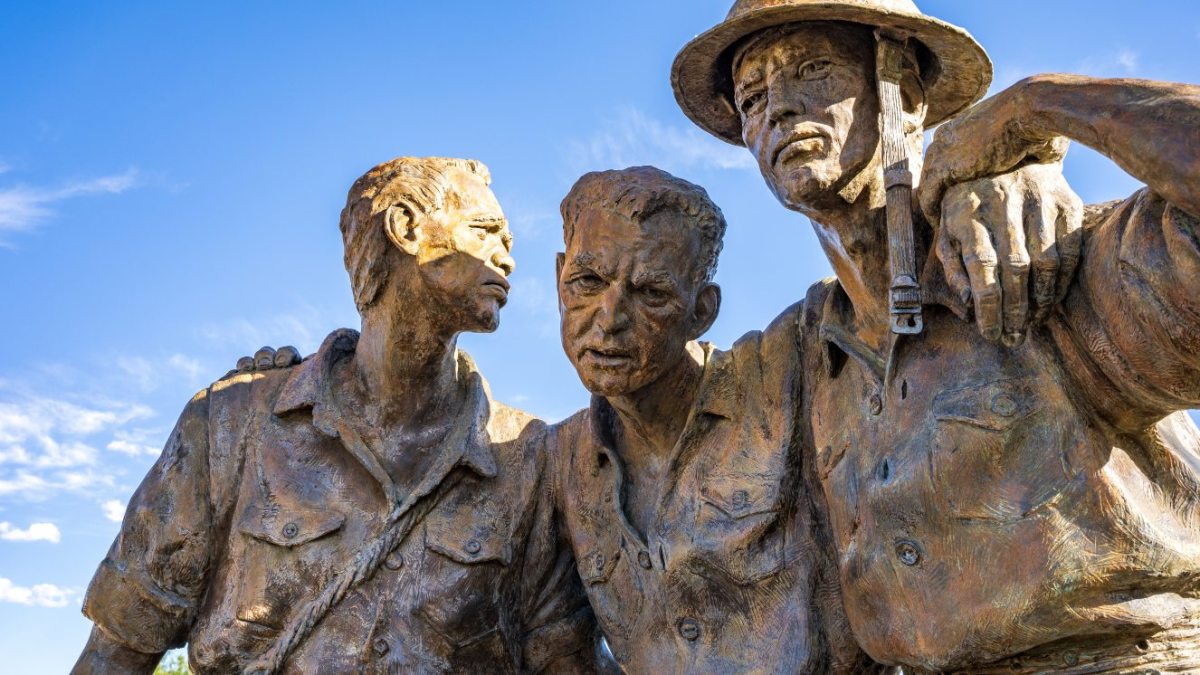
 The United States was grossly unprepared to fight a World War in 1942. The latest iteration of “War Plan Orange” (WPO-3) called for delaying tactics in the event of war with Japan, buying time to gather US Naval assets to sail for the Philippines. The problem was, there was no fleet to gather. The flower of American pacific power in the pacific, lay at the bottom of Pearl Harbor. Allied war planners turned their attention to defeating Adolf Hitler.
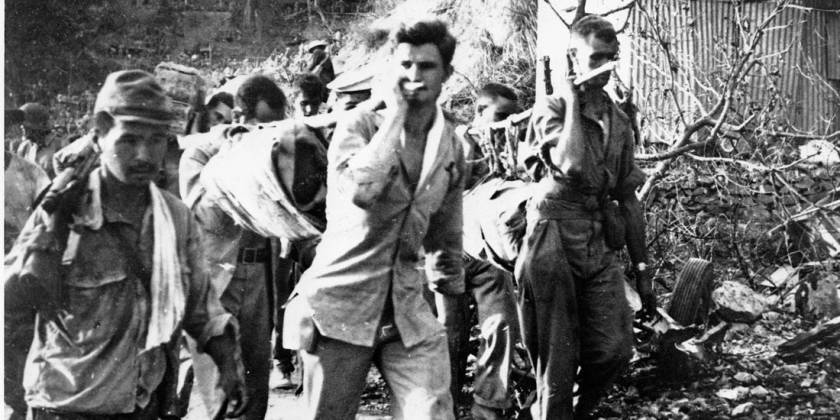 The Japanese were sadistic. Guards would beat marchers and bayonet those too weak to walk. Tormented by a thirst few among us can even imagine, men were made to stand for hours under a relentless sun, standing by a stream from which none were permitted to drink. The man who broke ranks and dove for the water was clubbed or bayoneted to death, on the spot. Japanese tanks would swerve out of their way to run over anyone who had fallen and was too slow in getting up. Some were burned alive, others buried alive. Already crippled from tropical disease and starving from the long siege of Luzon, wanton killing and savage abuse took the lives of some 500 – 650 Americans and between 5,000 – 18,000 Filipinos.
  United States Marine Corps 1st Lieutenant Austin Shofner came ashore back in November, with the 4th Marines. Shofner and his fellow leathernecks engaged the Japanese as early as December 12 and received their first taste of aerial bombardment, on December 29. Promoted to Captain and placed in command of Headquarters Company, Shofner received two Silver Stars by April 15 in near-constant defense against aerial attack.
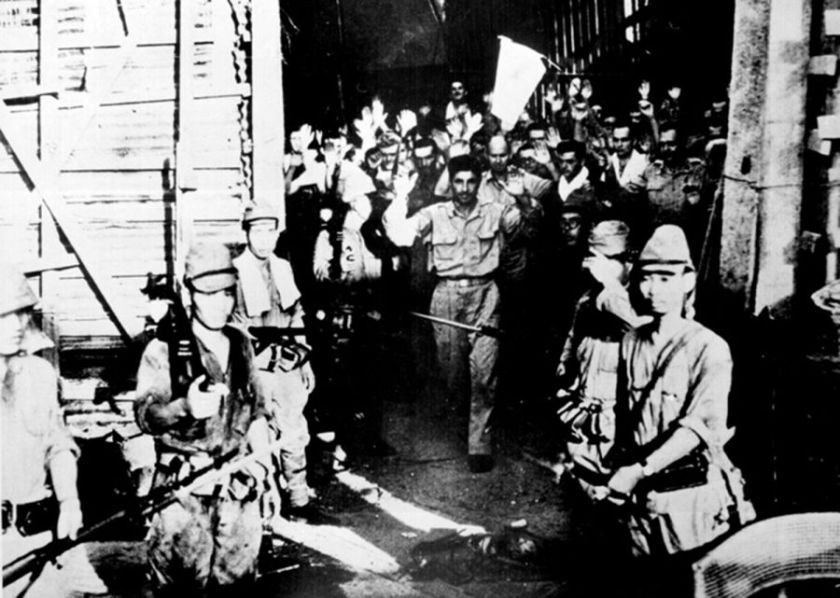 Nearly 150,000 Allied soldiers were taken captive by the Japanese Empire during World War 2. Clad in unspeakably filthy rags they were fed a mere 600 calories per day of fouled rice, supplemented only by the occasional insect or bird or rodent unlucky enough to fall into desperate hands. Diseases like malaria were all but universal as gross malnutrition led to loss of vision and unrelenting nerve pain. Dysentery, a hideously infectious disease of the large intestine reduced grown men to animated skeletons. Mere scratches resulted in grotesque tropical ulcers up to a foot in length exposing living bone and rotting flesh to swarms of ravenous insects.
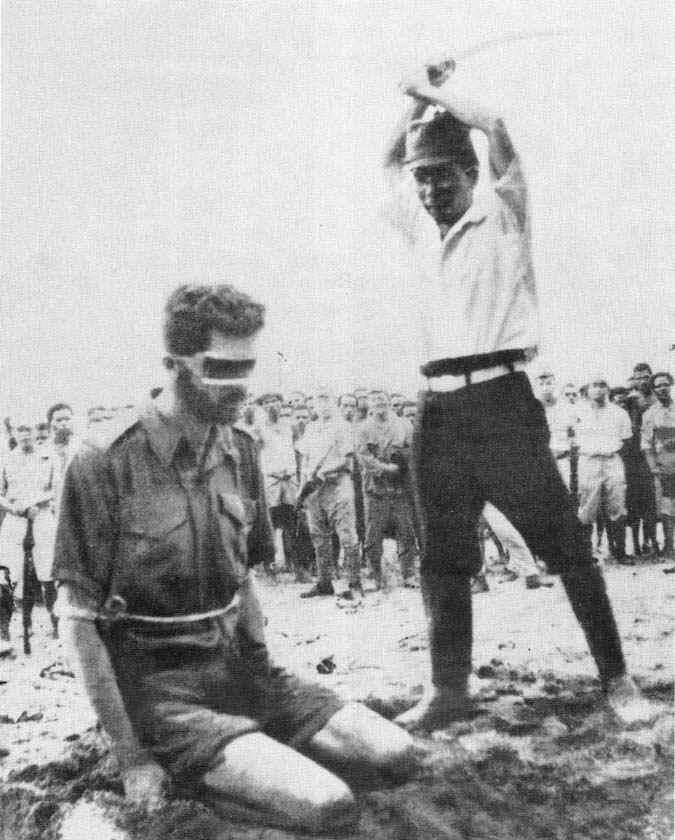 Given such cruel conditions it’s a wonder anyone escaped at all but it did happen. One time.







 Historical Easter Eggs - Today in History
You must be logged in to post a comment.