

Following the overthrow of the Monarchy in 509BC, the Rome of antiquity governed itself, as a Republic. The government was headed by two consuls, annually elected by the citizens and advised by a Senate. The Republic operated on a separation of powers principle, with checks and balances and a strong aversion to the concentration of power. Except in times of national emergency, no single individual was allowed to wield absolute power over his fellow citizens.

A series of civil wars and other events took place during the first century BC, ending the republican period and leaving in its wake an Imperium, best remembered for its conga line of dictators.

Lucius Sergius Catilina was a Roman Senator during this period, best remembered for his attempt to overthrow the Republic. In particular the power of the aristocratic Senate. He seems to have been an unsavory character, having murdered first his brother in law and later his own wife, before being tried for adultery with a vestal virgin.
Catilina’s second wife, the formidable Aurelia Orestilla, reputedly murdered the Senator’s grown son, for objecting to the match. The American political commentator and Rutgers professor Leonard A. Cole once said “You are not responsible for what your friends do, but you will be judged by the company you keep“. Seems about right, to me.
The first of two conspiracies bearing his name began in 65BC. Catilina was supposed to have conspired to murder a number of Senators on their entering office, and making himself, Consul. He may or may not have been involved at this stage, but he certainly would be for the second.

In 63BC, Catilina and a group of heavily indebted aristocrats concocted a plan with a number of disaffected veterans, to overthrow the Republic. On the night of October 18, Crassus brought letters to Consul Marcus Tullius Cicero warning of the plot. Cicero read the letters in the Senate the following day, later giving a series of four speeches: the Catiline Orations, considered by many to be his best political oratory.
In his last speech, delivered in the Temple of Concordia on December 5, 63BC, Cicero established a basis for other speakers to take up the cause. As Consul, Cicero was not allowed to voice an opinion on the execution of conspirators, but this speech laid the groundwork for others to do so, primarily Cato the Younger.

The actual Senate debates are lost to history, leaving only Cicero’s four orations, but there was considerable resistance in the Senate to executing the conspirators. They were, after all, fellow aristocrats.
Armed forces of the conspirators were ambushed at the Milvian Bridge, where the Via Flaminia crosses the Tiber River. The rest were executed by the end of December. Cicero’s actions had saved the Republic. For now.
 At one point during this period, then-Senator Julius Caesar stepped to the rostrum to have his say. He was handed a paper and, reading it, stuck the note in his toga and resumed his speech. Cato, Caesar’s implacable foe, stood in the senate and demanded that Caesar read the note. It’s nothing, replied the future emperor, but Cato thought he had caught the hated Caesar red handed. “I demand you read that note”, he said, or words to that effect. He wouldn’t let it go.
Finally, Caesar relented. With an actor’s timing, he pulled out the note and read it to a hushed senate. It turned out to be a love letter, a graphic one, wherein Servilia Caepionis described in detail what she wanted to do with Caesar when she got him alone. As if the scene wasn’t bad enough, Servilia just happened to be Cato’s half-sister.
Here’s where the story becomes very interesting. Caesar was a well-known lady’s man. By the time of his assassination, the Emperor had carried on with Servilia Caepionis, for years. Servilia had a son, called Marcus Brutus. He was 41 on the 15th of March, 44BC. The “Ides of March”. Caesar was 56. The Emperor’s dying words are supposed to have been “Et tu, Brute?”, as Brutus plunged the dagger in. “And you, Brutus?” But that’s not what he said. Those words were put in his mouth 1,643 years later, by William Shakespeare.

Eyewitness accounts to Caesar’s last words are lost to history, but more contemporary sources recorded his dying words to be “Kai su, Teknon?” In Greek, it means “And you, my child?”
It seems unlikely that Brutus murdered his own father on the Ides of March. The dates don’t seem to work out. Still, it makes you wonder…

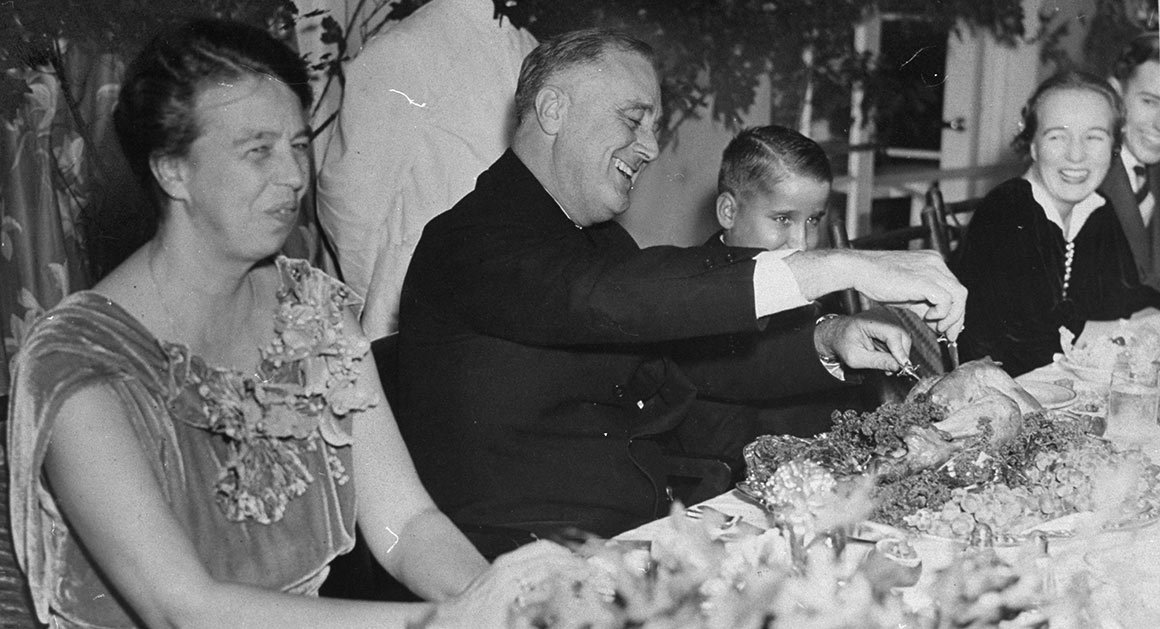
 Historian Michael Gannon writes that the “real first Thanksgiving” in America took place in 1565, when Pedro Menéndez de Avilés landed in modern-day Florida, and “had the Indians fed and then dined himself.” Likely, it was salt-pork stew with garbanzo beans. Yum.
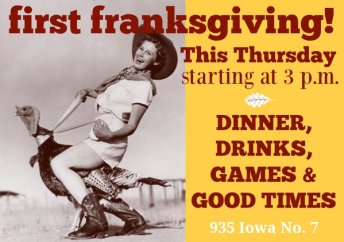 In those days, it was considered poor form for retailers to put up Christmas displays or run Christmas sales, before Thanksgiving. Lew Hahn, General Manager of the Retail Dry Goods Association, was afraid that extra week was going to cut into Christmas sales.
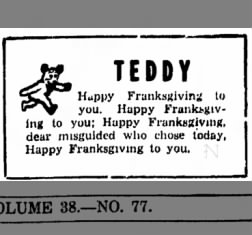 In Plymouth Massachusetts, self-described home of the “first Thanksgiving”, Chairman of the Board of Selectmen James Frasier, “heartily disapproved”.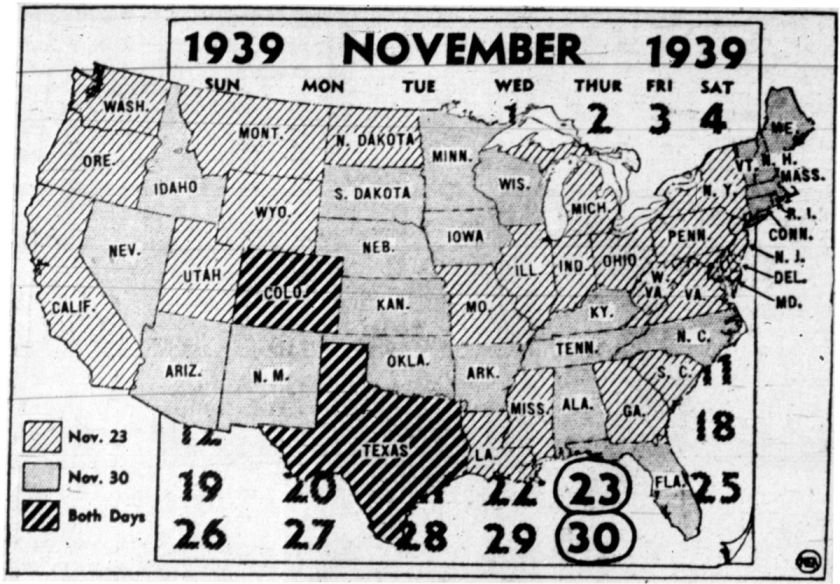

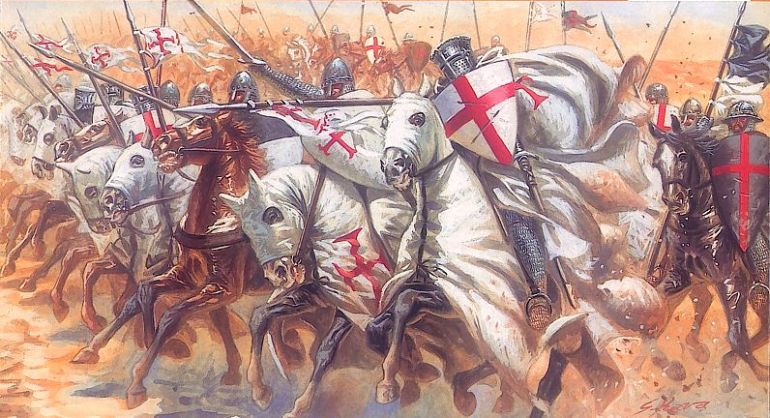
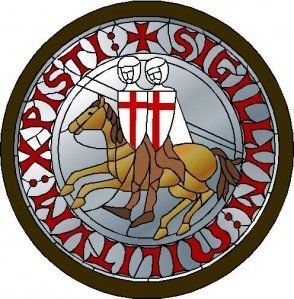 The French knight Hugues de Payens approached King Baldwin II of Jerusalem and Warmund, Patriarch of Jerusalem in 1119, with a proposal. He would create a monastic order of warrior knights to protect these pilgrims, to be headquartered in a wing of the recaptured Al Aqsa Mosque, built on the ruins of the Temple of Solomon.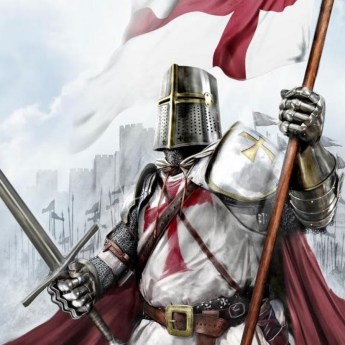
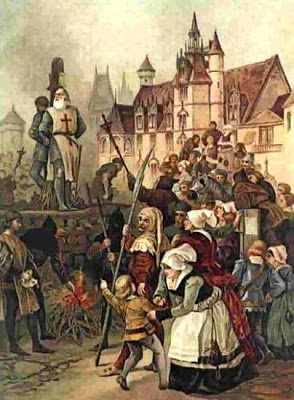 Under pressure from the French King, Pope Clement issued the bull “Pastoralis praeeminentiae” on November 22, instructing Christian monarchs throughout Europe to arrest Templar officials and seize their assets.


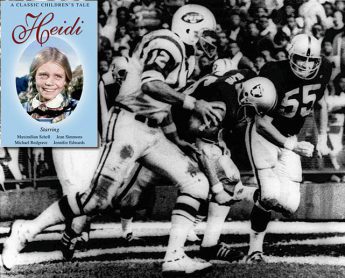 NBC executives, were thrilled. The AFL was only eight years old in 1968 and as yet unproven compared with the older league, the NFL/AFL merger still two years in the future.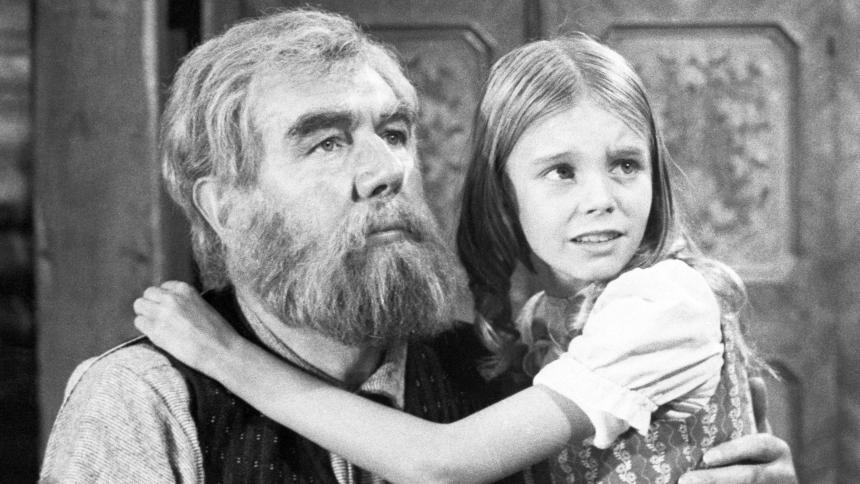
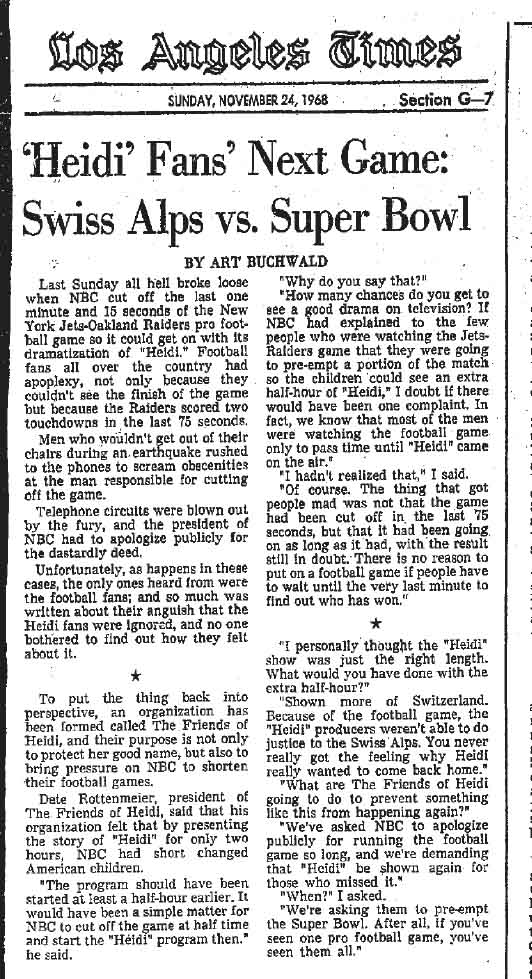
 The “Heidi Bowl” was prime time news the following night, on all three networks. NBC’s Huntley-Brinkley Report aired the last sixty seconds while ABC Evening News anchor Frank Reynolds read excerpts from the movie, with clips of the Raiders’ two touchdowns cut in. CBS Evening News’ Harry Reasoner announced the “result” of the game: “Heidi married the goat-herder“.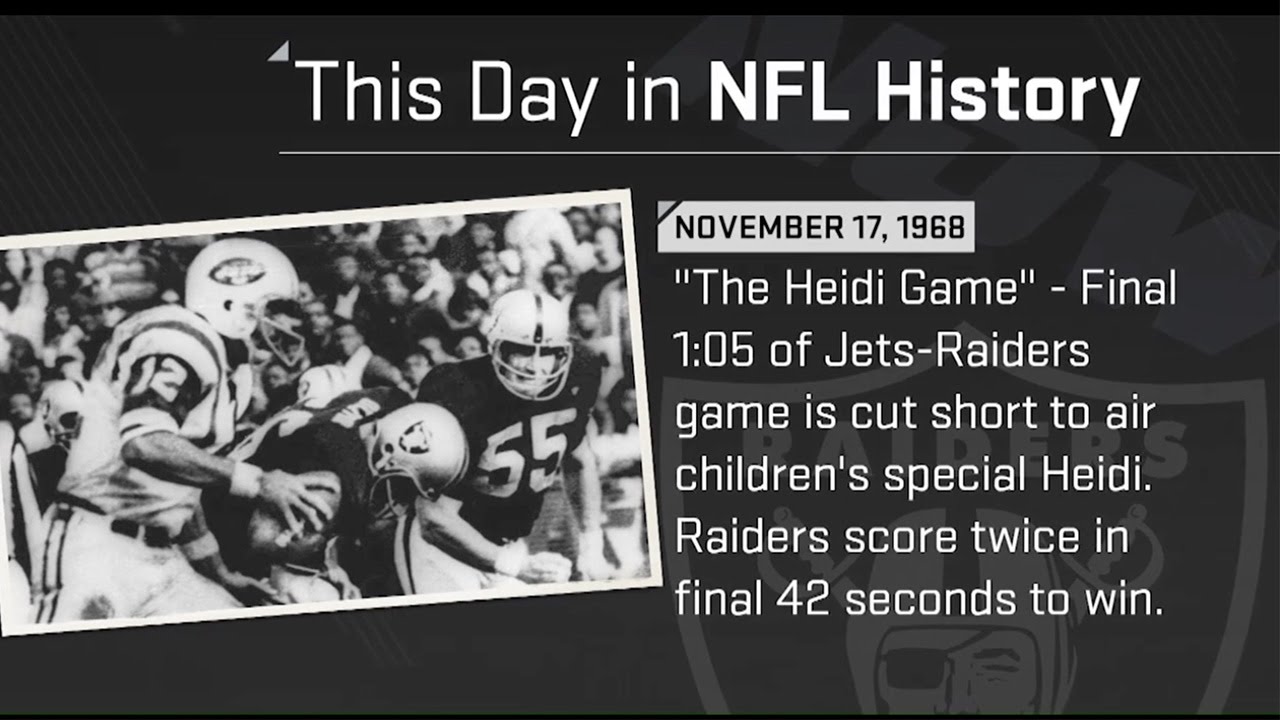



 The first living creature to enter space was the dog “








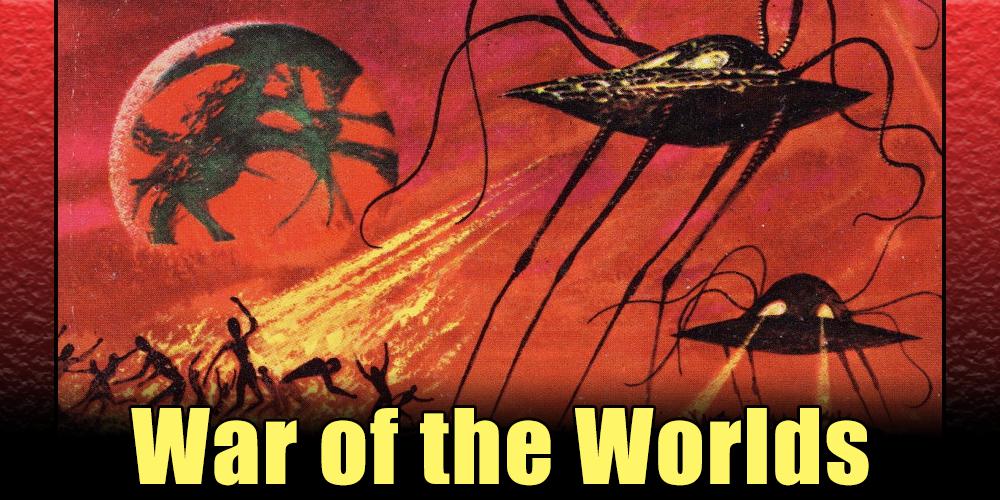
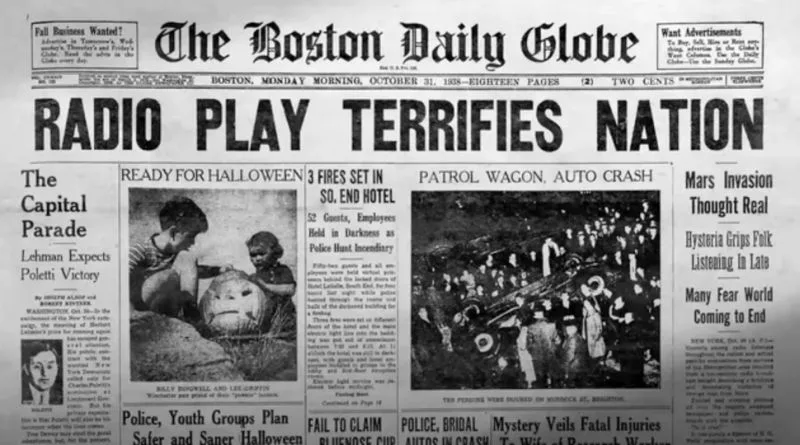
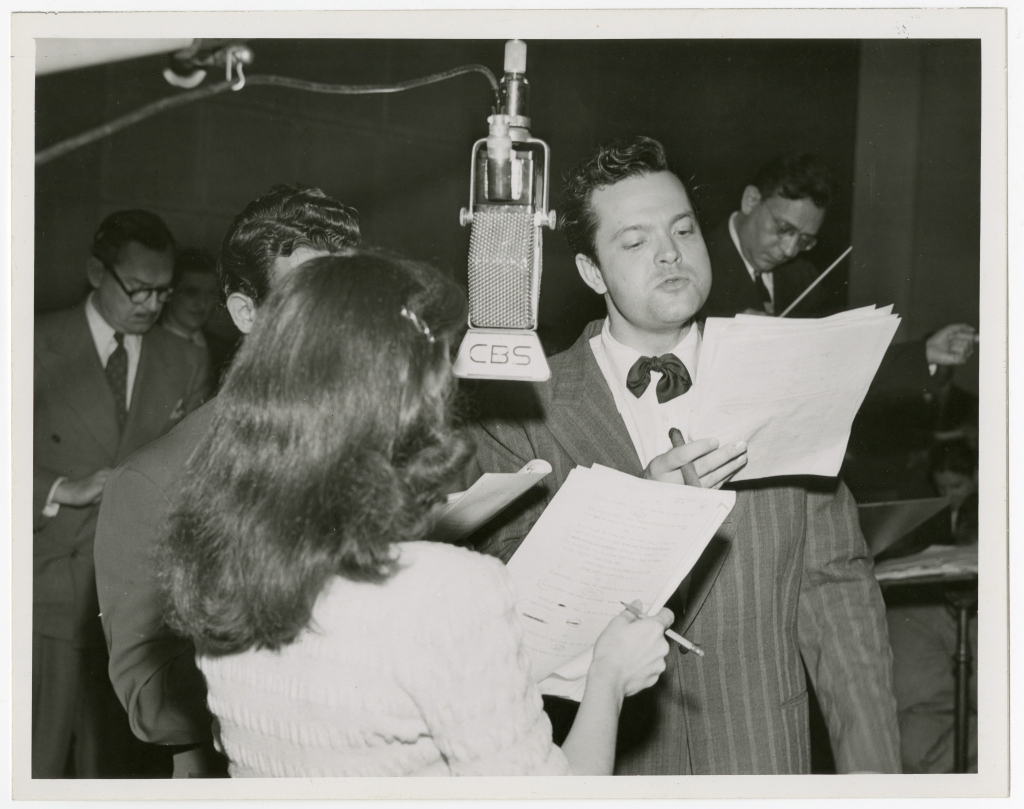 The radio drama began with a statement that, what followed, was fictional. The warning was repeated at the 40 and 55-minute mark, and again at the end of the broadcast. It began with a weather report, and then went to a dance band remote, featuring “Ramon Raquello and his orchestra”. The music was periodically interrupted by live “news” flashes, beginning with strange explosions on Mars. Producer Orson Welles made his first radio appearance as the “famous” (but non-existent) Princeton Professor Dr. Richard Pierson, who dismissed speculation about life on Mars.
 A short time later, another “news flash” reported a fiery crash in Grovers Mill, NJ. What was originally thought to be a meteorite was revealed to be a rocket machine as a tentacled, pulsating Martian unscrewed the hatch and incinerated the crowd with a death ray.


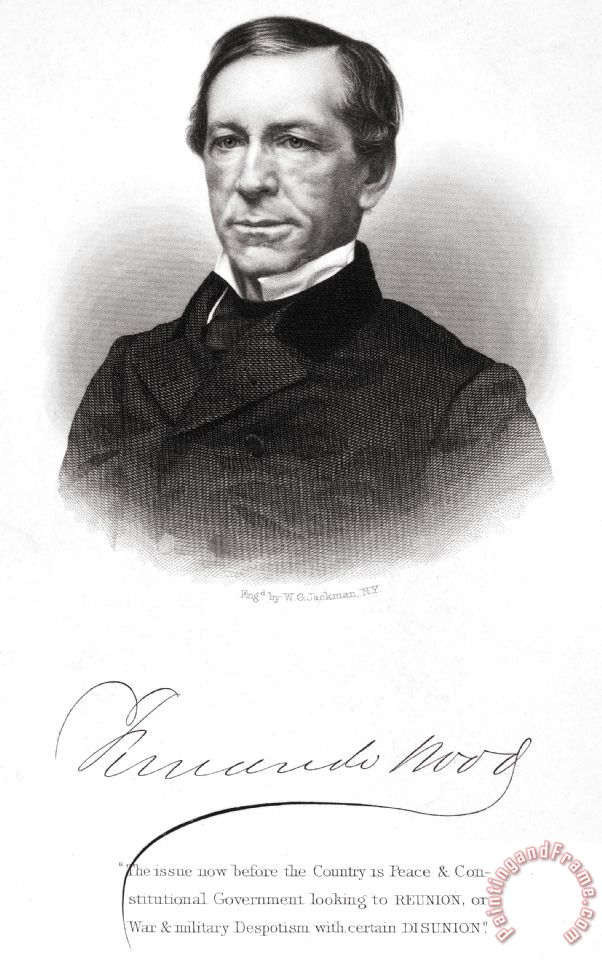 South Carolina seceded in December 1860, and the world waited to see who’d follow. New York City became the next to call for secession on January 6, when Mayor Fernando Wood addressed the city’s governing body. “When Disunion has become a fixed and certain fact”, he said, “why may not New York disrupt the bands which bind her to a venal and corrupt master…and destroyed the Confederacy of which she was the proud Empire City?”

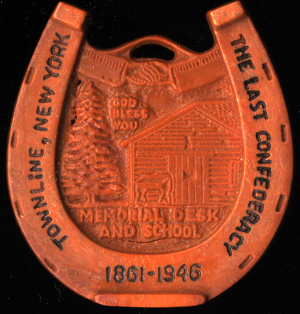 A courier express note arrived on October 7, 1945. “There are few controversies that are not susceptible to a peace time resolution” read the note, “if examined in an atmosphere of tranquility and calm rather than strife and turmoil. I would suggest the possibility of roast veal as a vehicle of peace. Why don’t you run down the fattest calf in Erie County, barbecue it and serve it with fixin’s in the old blacksmith shop where the ruckus started? Who can tell? The dissidents might decide to resume citizenship.” The note was signed “Very Sincerely Yours, Harry Truman”.
![4b4cf0f864c3dabcdb_IMG_7326[1]](https://todayinhistory.blog/wp-content/uploads/2018/10/4b4cf0f864c3dabcdb_img_73261.jpg)


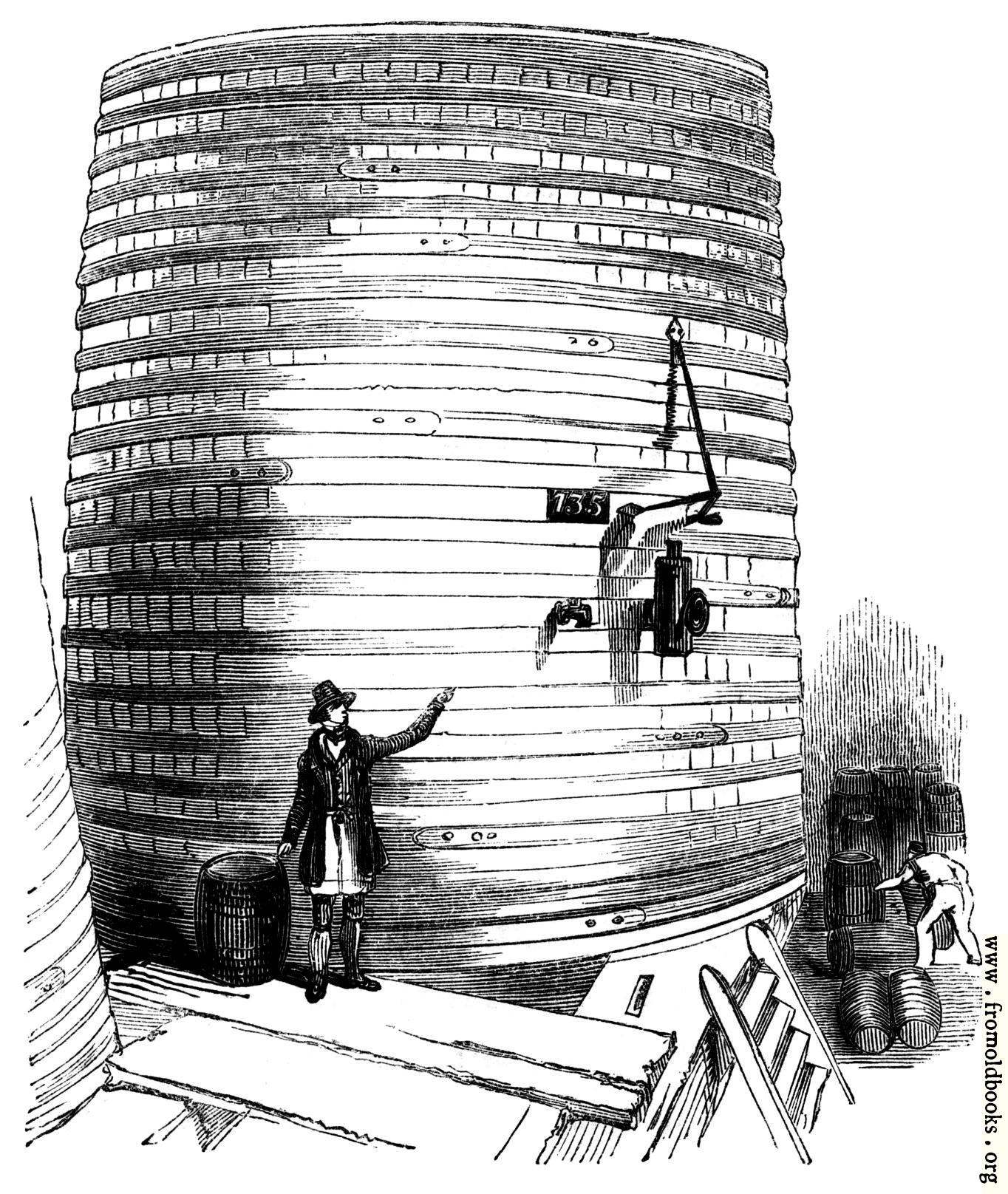 The Meux’s Brewery Co Ltd, established in 1764, was a London brewery owned by Sir Henry Meux. What the Times article was describing was a 22′ high monstrosity, held together by 29 iron hoops.
 The brewery was located in the crowded slum of St. Giles, where many homes contained several people to the room.
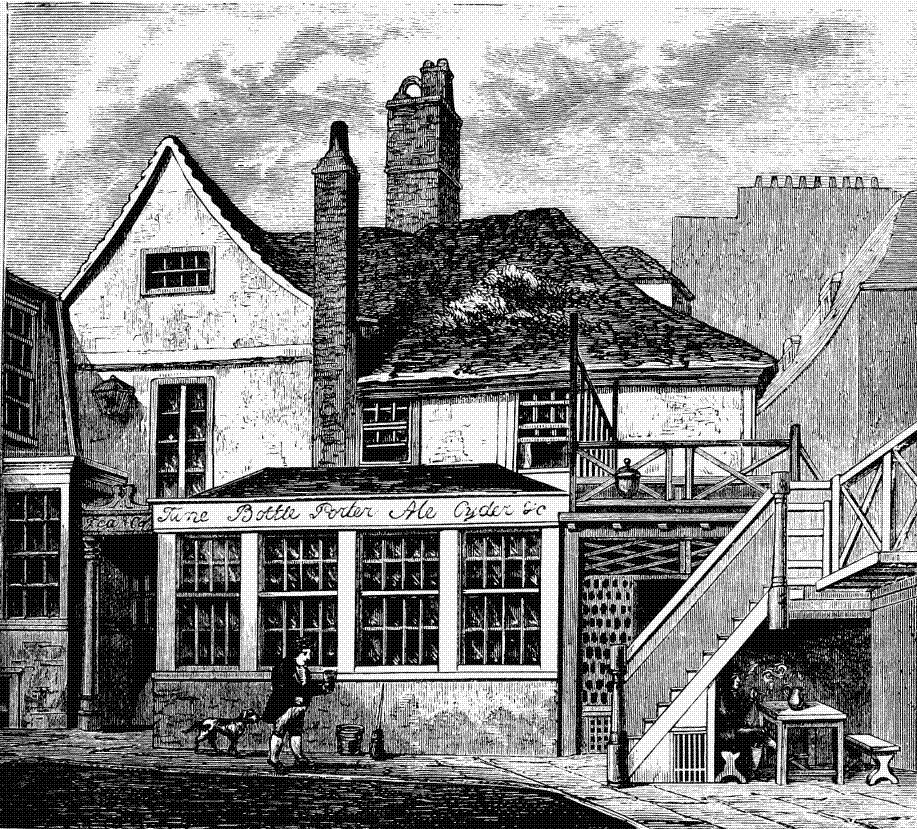 One brewery worker was able to save his brother from drowning in the flood, but others weren’t so lucky.
 In the days that followed, the crushing poverty of the slum led some to exhibit the corpses of their family members, charging a fee for anyone who wanted to come in and see. In one house, too many people crowded in and the floor collapsed, plunging them all into a cellar full of beer.

 Historical Easter Eggs - Today in History
You must be logged in to post a comment.