

 Operation E.C.1 was a planned exercise for the British Grand Fleet, scheduled for February 1, 1918 out of the naval anchorage at Scapa Flow in the North Sea Orkney Islands.
Forty vessels of the British Royal Navy departed Rosyth in the Scottish fjord at the Firth of Forth on January 31, bound for Scapa flow. They were the 5th Battle squadron with destroyer escort, the 2nd Battlecruiser squadron and their destroyers, two cruisers and two flotillas of K-class submarines, each led by a light cruiser.
By 6:30pm, the fleet had formed a line some thirty miles long proceeding north at 20 knots, equivalent to 23MPH over the ground. It was full dark at this latitude with the Haar or “sea fog”, closing in. The fleet was effectively deaf and blind, and traveling fast.
While only an exercise, strict radio silence was observed, lest there be any Germans in the vicinity. Each vessel displayed a faint blue stern light, travelling 400-yards ahead of the next-in-line. Black-out shields restricted the lights’ visibility to one compass point left or right of the boats’ center line. The table was set for disaster.
Though large for WW1-vintage submarines at over 300-feet, K-class subs were low to the water and slow, compared with the much larger surface vessels. Compounding the problem, the unfortunately nicknamed”Kalamity Klass” was powered by steam, meaning that stacks had to be folded and closed, before the thing was ready to dive. Only eighteen K-class submarines were ever built, one of which caused damage to a German U-boat, in a ramming attack.
Seems the K-class was more dangerous to its own people, than anyone else.
A half-hour into the cruise, the flagship HMS Courageous passed a tiny speck on the map called May Island and picked up speed. A pair of lights appeared in the darkness as the 13th Submarine Flotilla passed, possibly a pair of mine sweeping trawlers. The flotilla turned hard to port to avoid collision when the helm of the third-in-line K-14 jammed, and veered out of line. Both K-14 and the boat behind her, K-12 turned on their navigation lights as K-22, the next submarine in line, lost sight of the flotilla and collided with K-14, severing the bow and killing two men. Two stricken submarines now struggled to pull themselves apart while an entire fleet sped through the darkness, unaware of what was about to happen.
The destroyer HMS Ithuriel received a coded signal and turned to lend aid, doubling back and followed by the remainder of the 13th submarine flotilla and thus putting themselves on collision course with the outgoing 12th flotilla.
Unaware of the mess lying in her path, 12th flotilla escort HMS Fearless was traveling way too fast to change the outcome. Fearless went “hard astern” on sighting K-17 but too late, her bow knifing through the smaller vessel, sinking the sub within minutes with the loss of 47 men. Meanwhile, outgoing submarine K-4 heard the siren and came to a stop but not the trailing K-3 which hit her sister sub broadside, nearly cutting the vessel in half.
K-4 sank in minutes, with the loss of 55 crew.

The number of near misses that night, can never be known. 104 men were dead before it was over, with the total loss of two K-class submarines. Four more sustained severe damage, along with the Scout Cruiser HMS Fearless.
A hastily arranged Board of inquiry began on February five and sat for five days, resulting in several courts martial for negligence. Those would be adjudicated, “unproved”.
The whole disaster and subsequent inquiry was kept quiet to avoid embarrassment, and deprive the German side of the propaganda bonanza. Full details were released only in 1994, long after the participants in this story, had passed away.
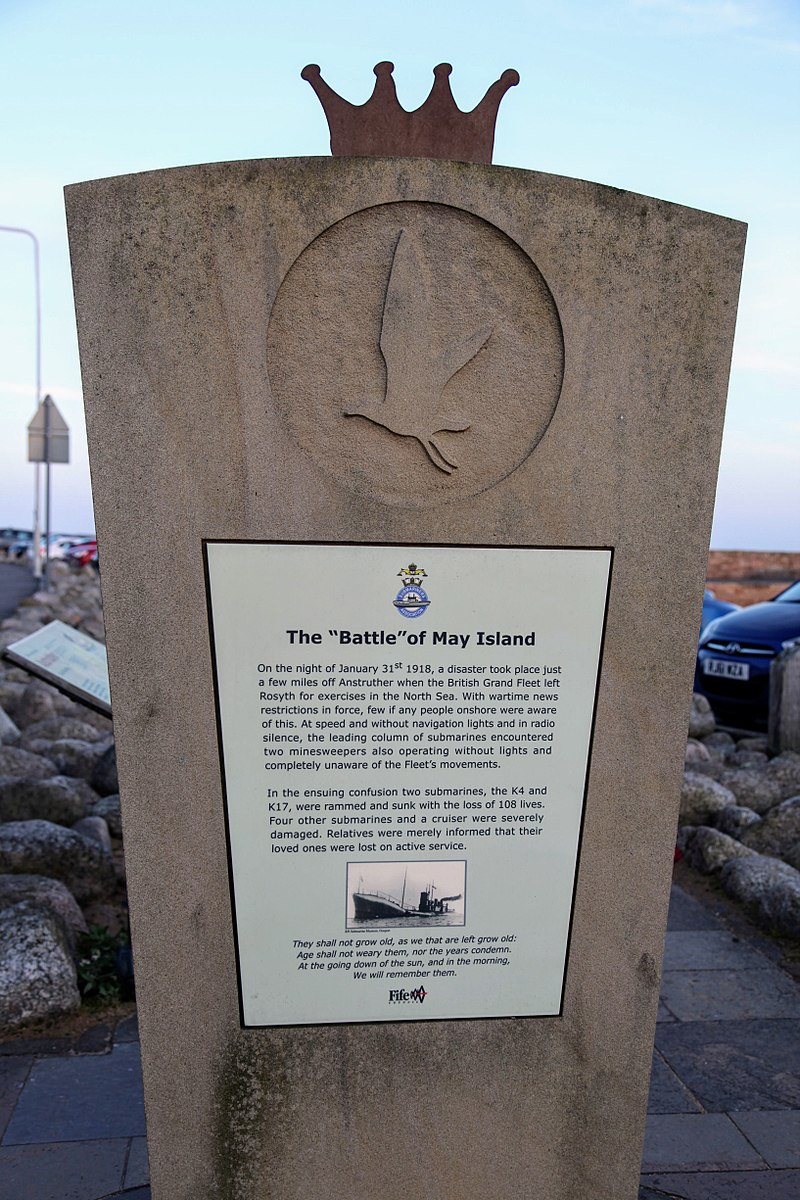
On January 31, 2002, a memorial cairn was erected in memory of the slain. As it had been eighty four years earlier, there wasn’t a German to be found. The “Battle of May Island” was no battle at all. Only the black forlorn humor, of men at war.


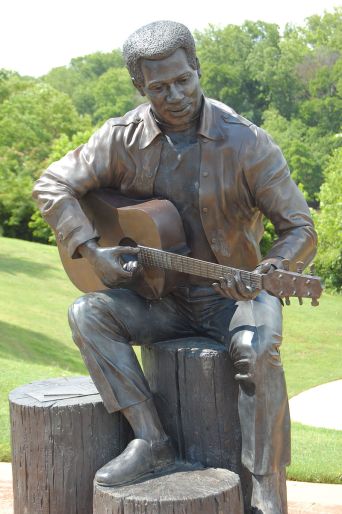 Redding joined STAX Records in 1962, a portmanteau of the founding partners and siblings Jim Stewart and his sister Estelle Axton (STewart/AXton = Stax).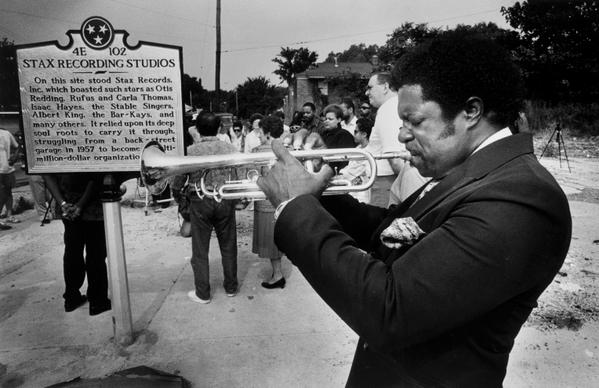


 STS-1, the first mission of the “Space Shuttle” program launched aboard “Columbia” from the Kennedy Space Center on Merritt Island, Florida. It was April 12, 1981, the 20th anniversary of the first human spaceflight aboard the Russian capsule Vostok 1.
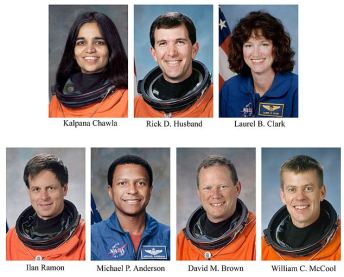 STS-107 launched from the Kennedy Space Center aboard the Space Shuttle Columbia on January 16, 2003.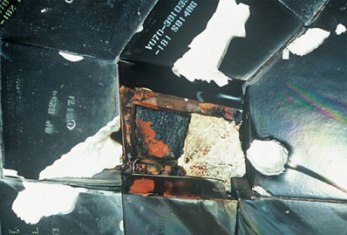
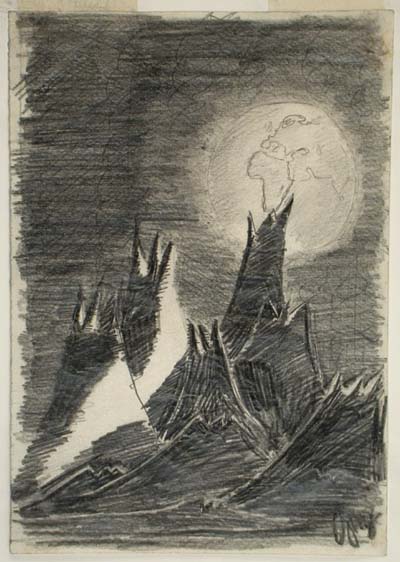
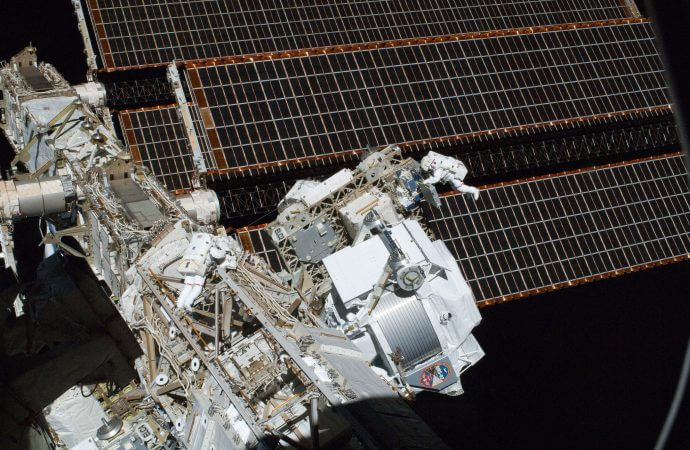




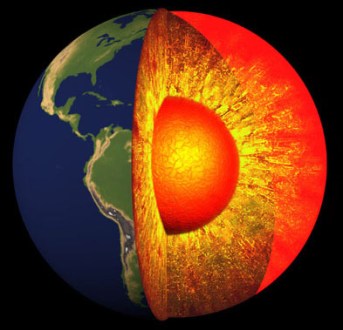 Deep in the ground beneath our feet, a rocky shell comprising an outer Crust and an inner Mantle forms a hard and rigid outer shell, closing off and containing the solid inner core of our planet. Between these hard inner and outer layers exists a liquid core of molten material, comprising approximately two-thirds the cross-section of planet Earth.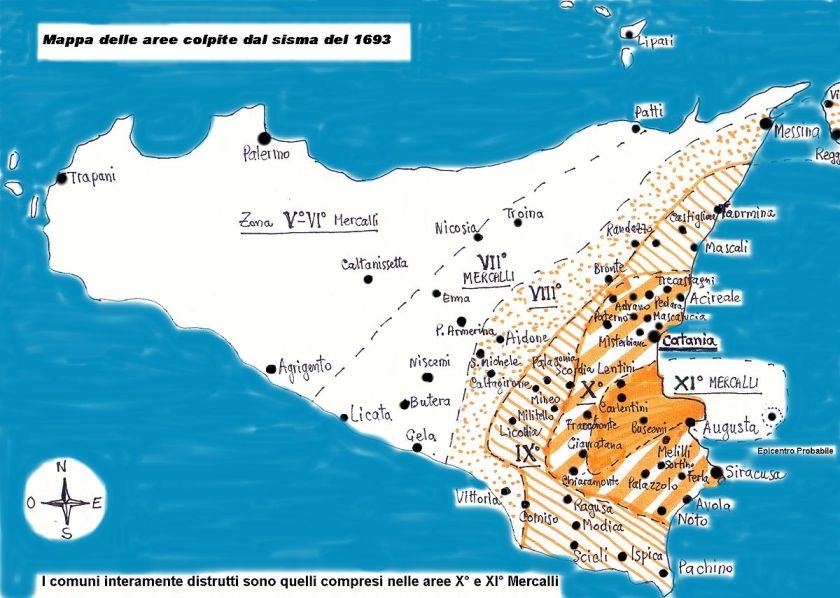










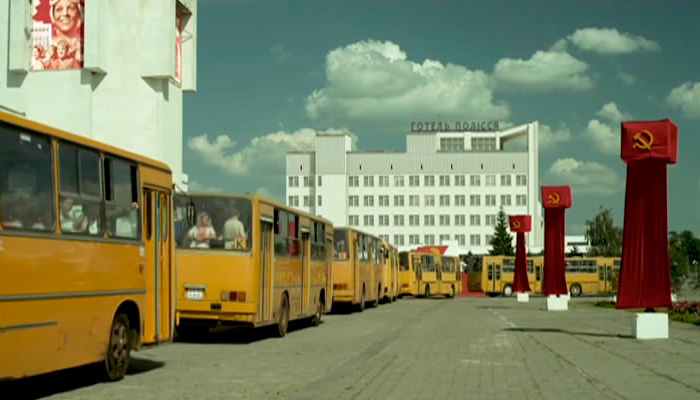
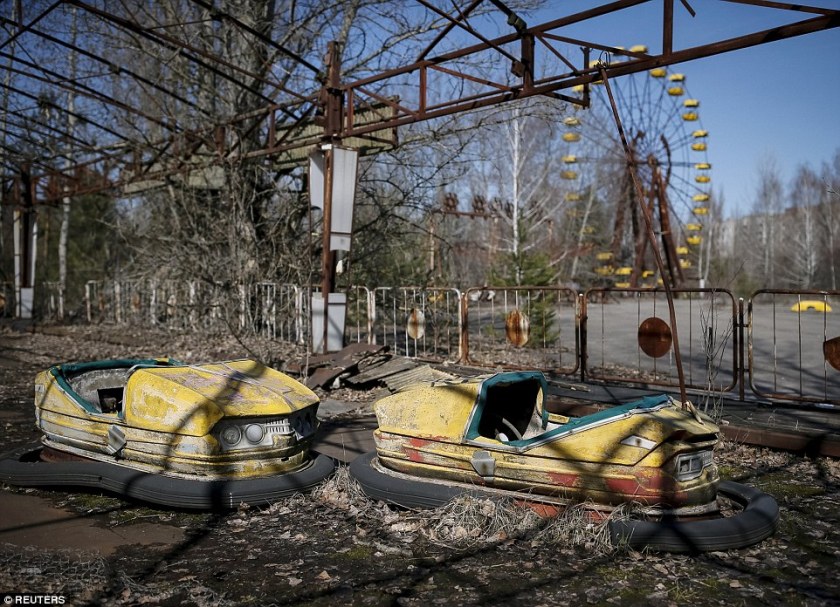
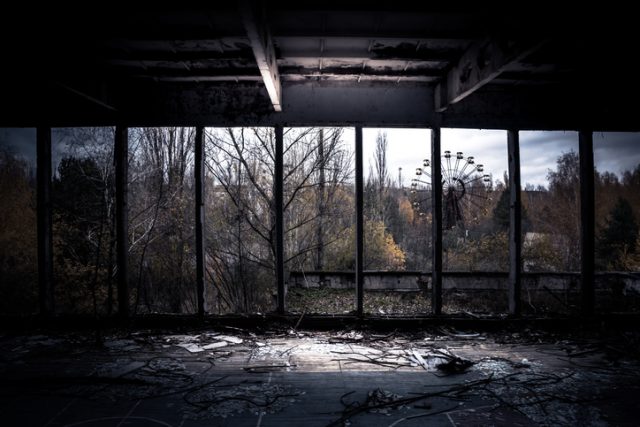
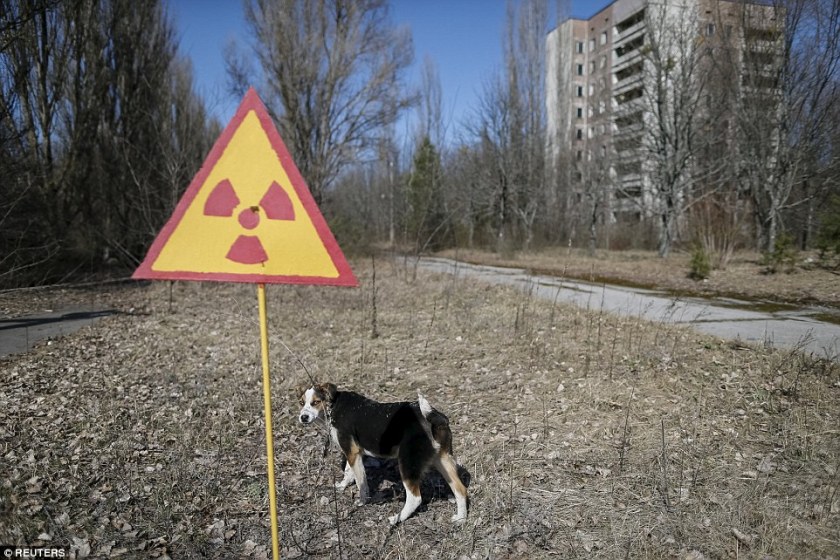
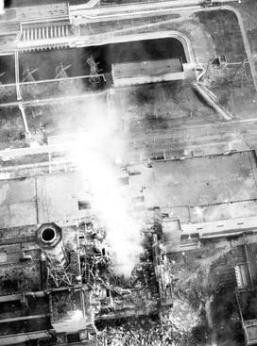 The accident began as a test, a carefully planned series of events, intending to simulate a station blackout at the Chernobyl Nuclear Power Plant, in the Soviet Socialist Republic of Ukraine.













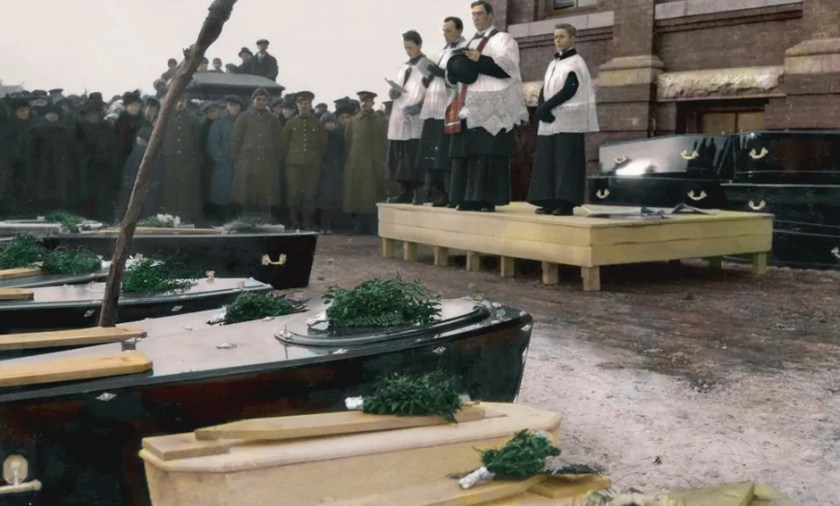
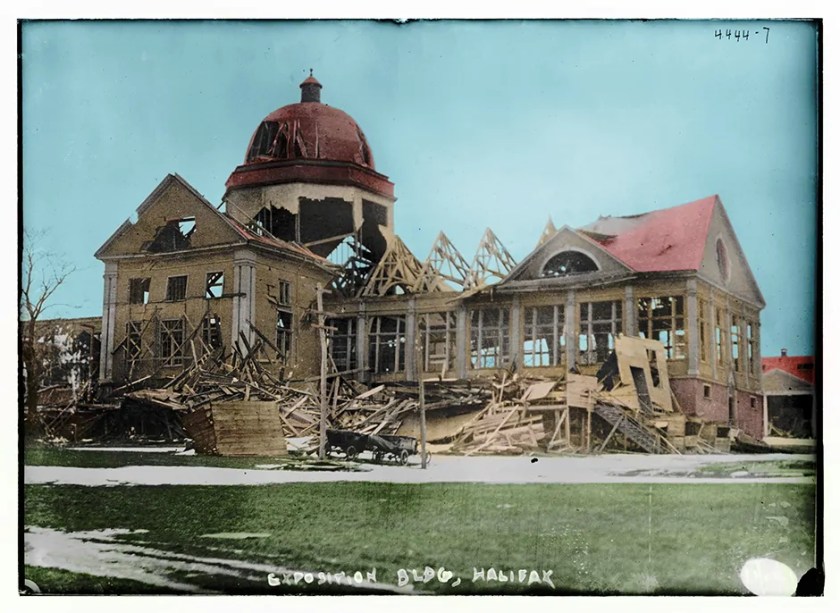 Curley was as good as his word. The Mayor and Massachusetts’ Governor Samuel McCall composed a Halifax Relief Committee to raise funds and organize aid. McCall reported the effort raised $100,000 in its first hour alone, equivalent to over $1.9 million, today.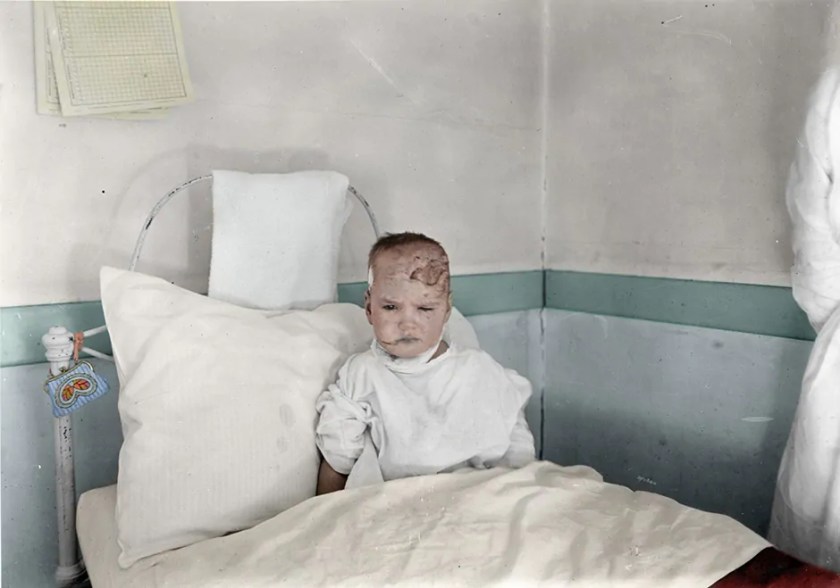






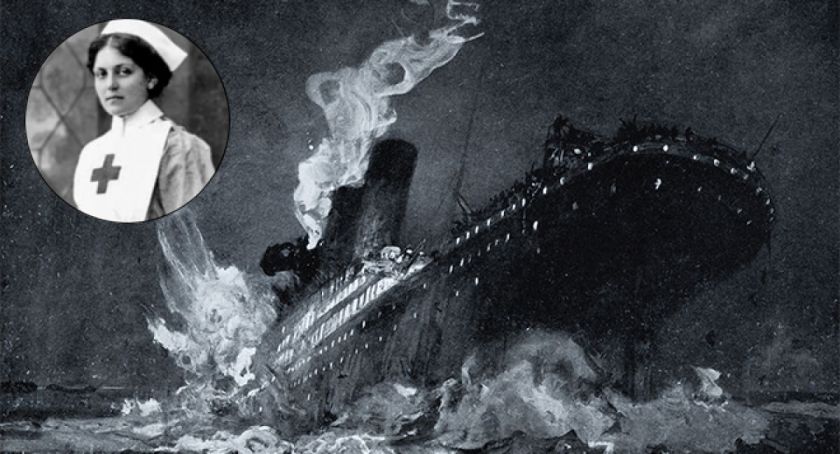
 The ship was built to survive flooding in four watertight compartments. The iceberg had opened five. As Titanic began to lower at the bow, it soon became clear that the ship was doomed.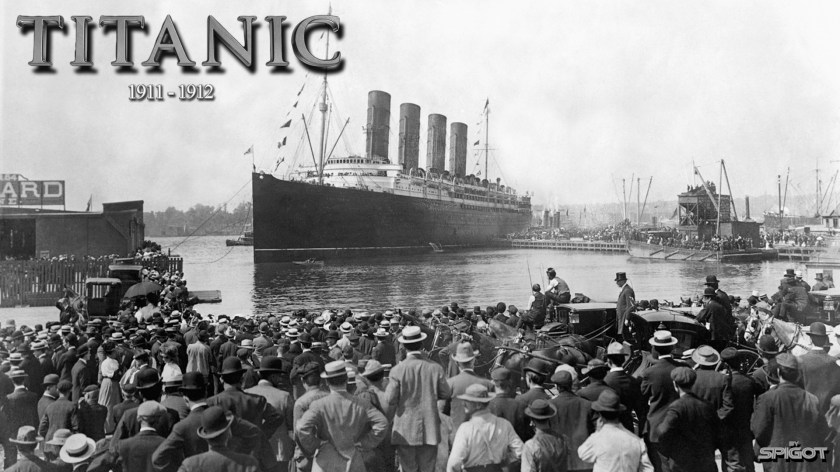

 Historical Easter Eggs - Today in History
You must be logged in to post a comment.