
On July 4, 1776, the Continental Congress declared a break from Great Britain. The former colonies were to be a free and independent nation. That same day and an ocean away, a business was formed to aid in the pursuit. An enterprise formed between the French House of Bourbon, and Spain.

The Rodrigue Hortalez Trading Company was a ruse, a fictitious outfit organized by the French playwright, politician and spy, Pierre-Augustin Caron de Beaumarchais.
In May of 1776, Beaumarchais obtained one million livres from France and the same amount from Spain, weeks before the committee of five put pen to paper, to compose the Declaration of Independence. In addition to all that money there were muskets, cannon, gunpowder, bombs, mortars, tents and enough clothing for 30,000 men, traveling from French ports to the “neutral” Netherlands Antilles island of St. Eustatius.
The delivery could not have been more timely. When General Washington took command on July 3, 1775 the Continental Army faced the most formidable military on the planet with enough powder for something like nine rounds per man.
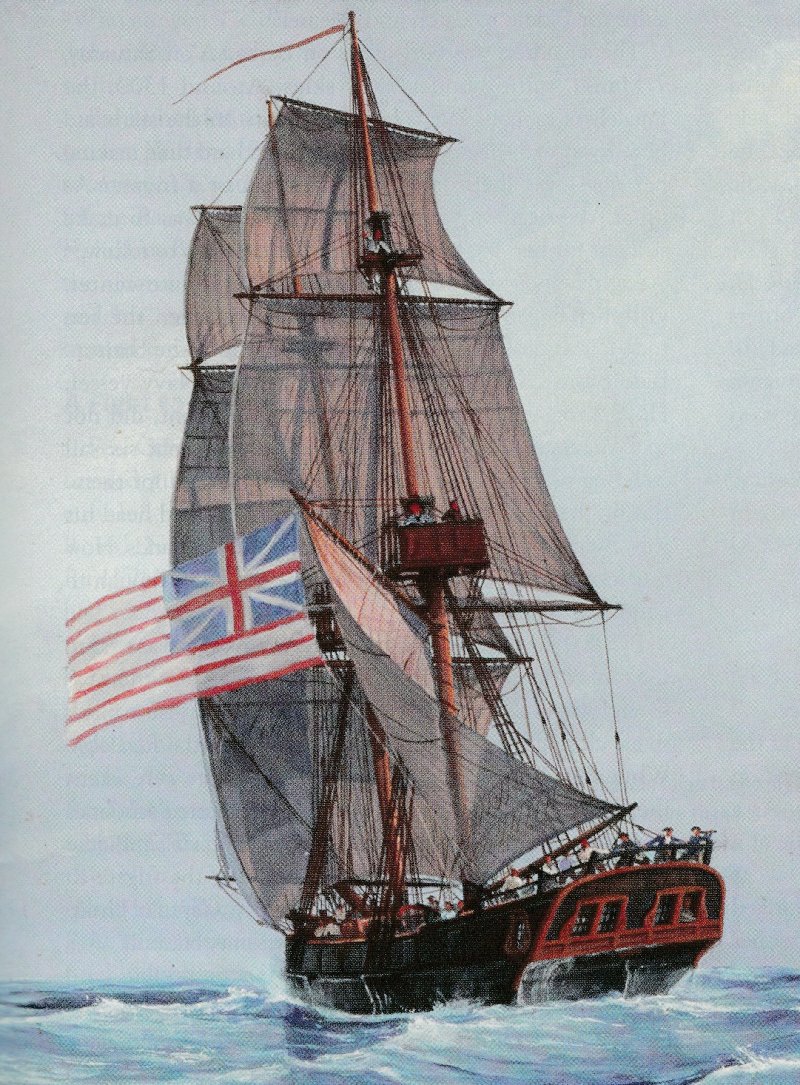
Here’s a great trivia question for you…what foreign government first openly recognized the fledgling nation? It was little St. Eustatius who first acknowledged American Independence, firing the traditional “First Salute” on November 16 of that year, an overt recognition that an independent nation state in the form of the brig Andrew Doria, had entered its harbor.
Hortalez & Co. was one of four channels of Spanish aid. New Orleans Governor Luis de Unzaga began providing covert aid to the American rebels in 1776, expanding the following year under his successor, Bernardo de Gálvez y Madrid, Count of Gálvez.
It is he for whom Galveston Texas, bears that name.
Meanwhile, the Spanish port at Havana was opened to the Americans under Most Favored Nation status, and further Spanish aid flowed in from the Gardoqui family trading company in Bilbao whose Patriarch, Don Diego de Gardoqui, would become Spain’s first Ambassador to the United States. According to the Ambassador, the House of Gardoqui alone supplied the American patriots with 215 bronze cannon, 30,000 muskets, 30,000 bayonets, 51,314 musket balls, 300,000 pounds of powder, 12,868 grenades, 30,000 uniforms, and 4,000 field tents. The Spanish Prime Minister, José Moñino y Redondo, Count of Floridablanca wrote in March 1777, “the fate of the colonies interests us very much, and we shall do for them everything that circumstances permit”.
The American Victory at Saratoga in October 1777 opened the door to more overt aid from the French, thanks largely to the tireless diplomacy of Benjamin Franklin and the Marquis du Lafayette. Representatives of the French and American governments signed the Treaties of Alliance and Amity and Commerce on February 6, 1778.
The “Southern Strategy” of 1778-80 cost the British army and its Hessian allies more casualties from disease, than from Patriot bullets. About 1,200 Hessian soldiers were killed in combat over the course of the war. By contrast, 6,354 more died of disease and 5,500 deserted, later settling in the fledgling United States.
In February 1781, General Washington sent Lafayette south at the head of a handpicked force of 1,200 New England and New Jersey troops, and 1,200 French allies. Washington himself lead an army he himself described as “not strong enough even to be beaten”.
5,500 French Army troops led by the Comte de Rochambeau landed in Rhode Island that summer, linking up with General Washington’s Patriot army. Meanwhile, Lafayette harassed and shadowed Cornwallis’ much larger force as it moved north through North Carolina and east toward the Chesapeake Bay.
Cornwallis was looking for a deep water port from which to link up with his ships. It was at this time that Lafayette received help from a slave named James, on the New Kent Armistead Farm. James pretended to serve Cornwallis in Yorktown while sending valuable military information to Lafayette and Washington, who was now moving south through New Jersey with Rochambeau. The man would later legally change his name to James Lafayette.
Meanwhile, Rear Admiral Francois Joseph Paul, the Comte de Grasse, was in Santo Domingo, meeting with the representative of Spain’s King Carlos III, Francisco Saavedra de Sangronis. De Grasse had planned to leave several warships in Santo Domingo, now capital of the Dominican Republic, to protect the French merchant fleet. Saavedra promised assistance from the Spanish navy, enabling de Grasse to sail north with all of his warships. He needed those ships. The crucial Naval battle of the Revolution took place on September 5 when de Grasse defeated the British fleet of Rear Admiral Sir Thomas Graves cutting Cornwallis off, from the sea.
French Admiral de Barras arrived from Newport a few days later, carrying vital siege equipment, while de Grasse himself carried 500,000 silver pesos from Havana to help with the payroll and siege costs at the final Battle of Yorktown.
If there was ever a “window of opportunity”, the siege of Yorktown was it. Fully ½ of Cornwallis’ troops were sick with Malaria during the siege, a disease to which the Americans had built some degree of immunity. Most of the French were newly arrived, and thus had yet to encounter the disease’ one-month gestation.
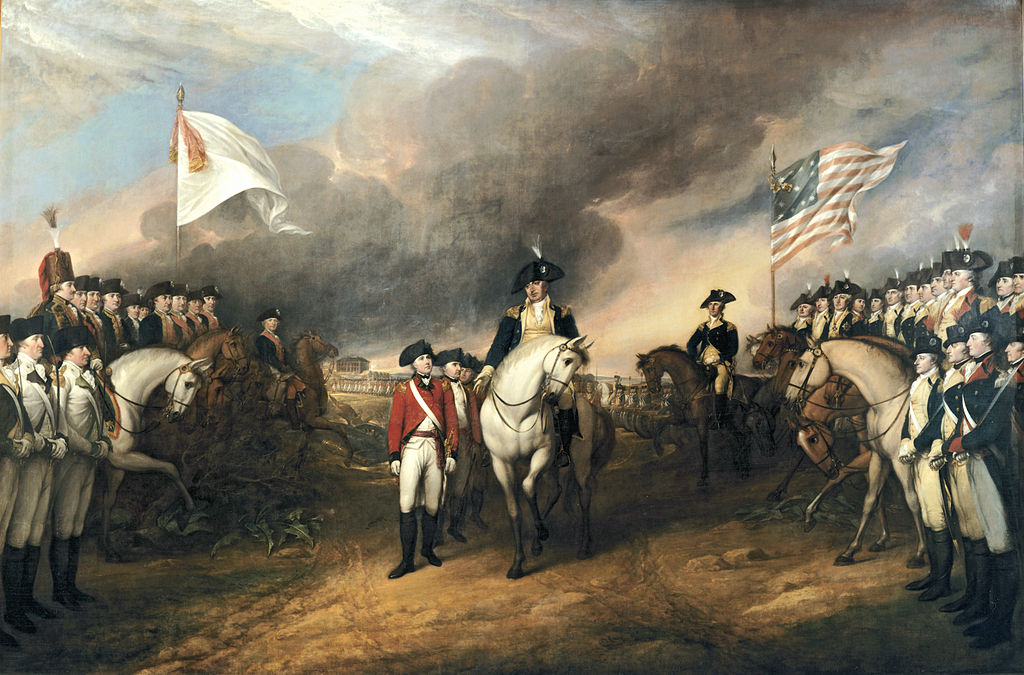
Now out of options, General Cornwallis surrendered on October 19, 1781, the day his relief force finally sailed out of New York Harbor.
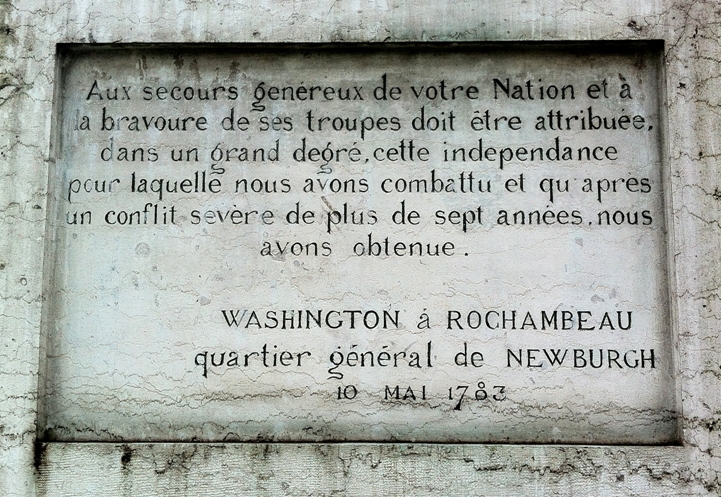
Over the course of the Revolution, the Patriot cause received aid from sources both sought after and providential. Ben Franklin, John Jay and John Adams would negotiate through two more years and four British governments before it was done. The Treaty of Paris was at last signed on September 3, 1783. The American war for Independence, had come to an end.


 Ernesto Guevara trained and motivated firing squads credited with the summary execution of 16,000 Cubans or more, since the Castro brothers swept out of the Sierra Maestro Mountains in 1959. It was around this time he acquired the nickname “Che” from an odd fondness for the verbal filler che, not unlike the Canadian English “eh” or some Americans’ fondness for the punctuating syllable “Right?”
 Numbers are surprisingly inexact but Guevara is believed personally responsible for the murder of hundreds if not thousands, in the name of “Revolutionary Justice”. Guevara himself described in his diary, the murder of peasant guide Eutimio Guerra: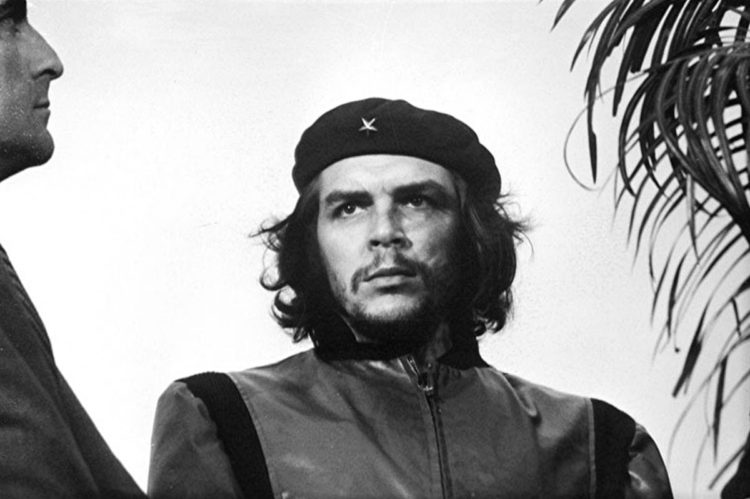
 While Che himself made no secret of his blood-lust, Western Liberals appear pathologically incapable of regarding the man’s history, as it really was.
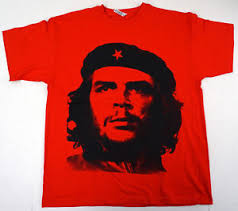 “Crazy with fury I will stain my rifle red while slaughtering any enemy that falls in my hands! My nostrils dilate while savoring the acrid odor of gunpowder and blood. With the deaths of my enemies I prepare my being for the sacred fight and join the triumphant proletariat with a bestial howl!…Hatred as an element of struggle; unbending hatred for the enemy, which pushes a human being beyond his natural limitations, making him into an effective, violent, selective, and cold-blooded killing machine. This is what our soldiers must become” – Ernesto Ché Guevara
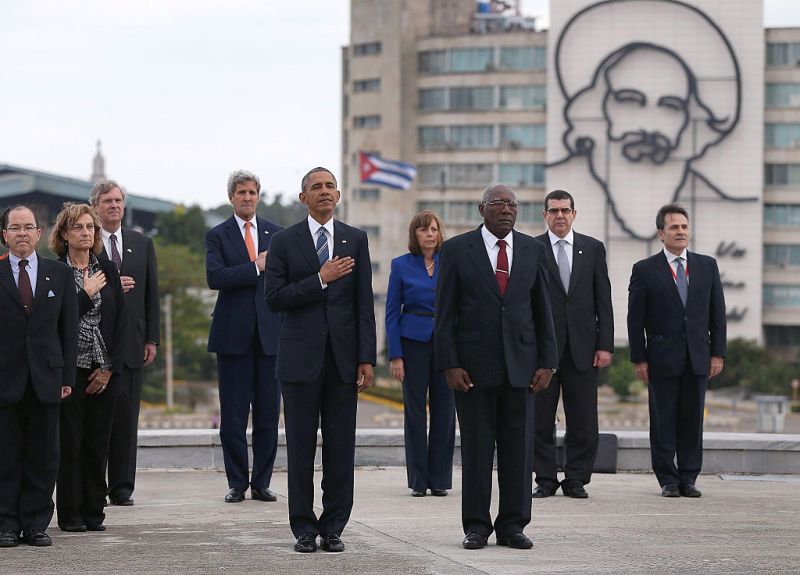
 For many of us, then-President Obama’s March 21, 2016 moment in Havana, Cuba defies understanding, unfolding as it did under a ten-story image of Che Guevara.

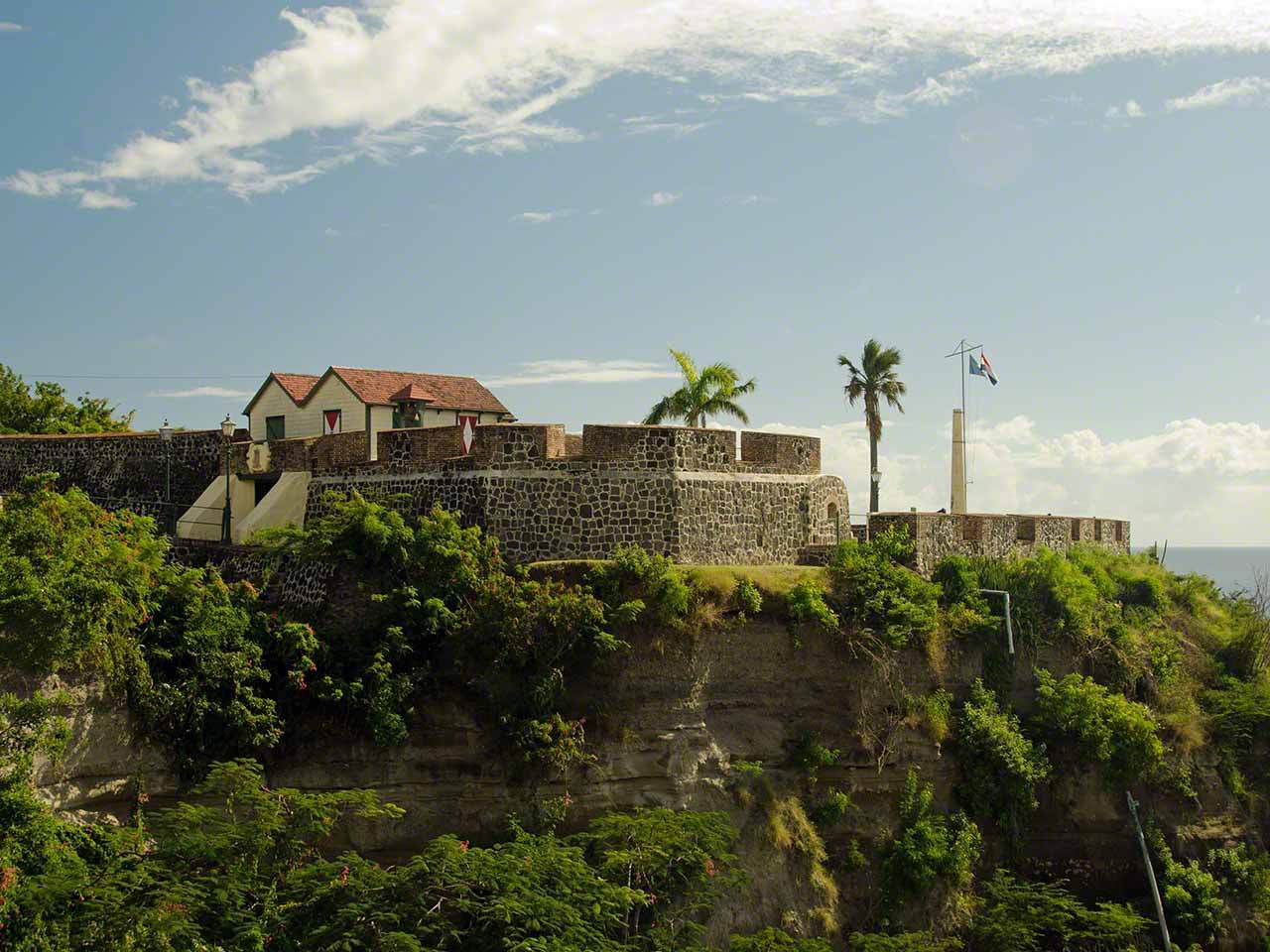

 Admiral Rodney pretty much had his way. The census of 1790 shows 8,124 on the Dutch island nation. In 1950, the population stood at only 790. It would take 150 years from Rodney’s departure, before tourism even began to restore the economic well-being of the tiny island.

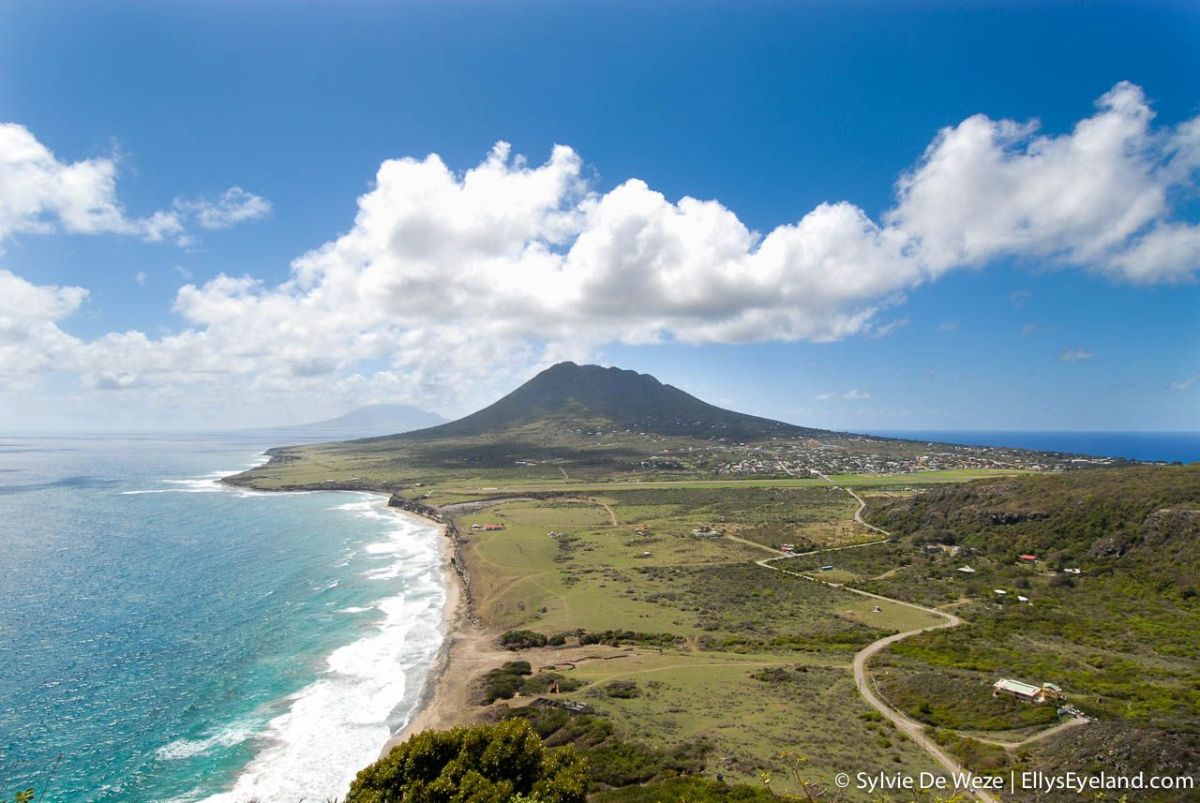
 Sint Eustatius, known to locals as “Statia”, is a Caribbean island of 8.1 sq. miles in the northern Leeward Islands. Formerly part of the Netherlands Antilles, the island lies southeast of the Virgin Islands, immediately to the northwest of Saint Kitts.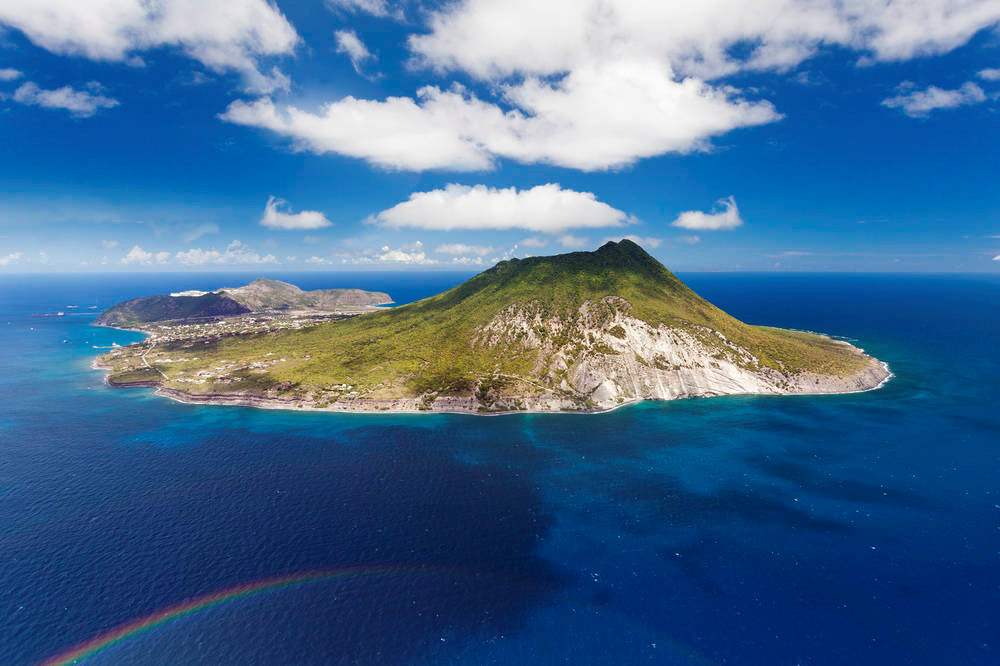
 On the 16th of November, 1776, the Brig Andrew Doria sailed into Sint Eustatius’ principle anchorage in Oranje Bay. Flying the Continental Colors of the fledgling United States and commanded by Captain Isaiah Robinson, the Brig was there to obtain munitions and military supplies. Andrew Doria also carried a precious cargo, a copy of the Declaration of Independence.
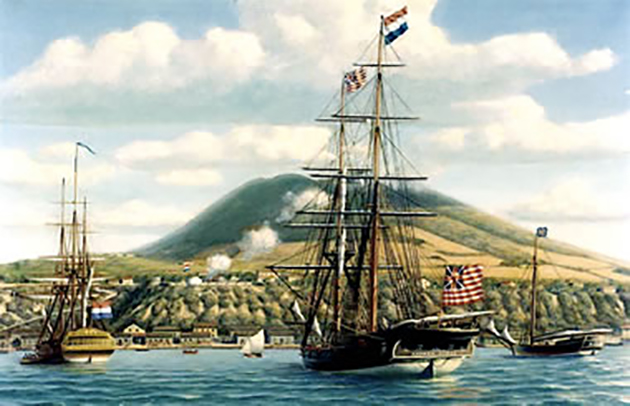 Tradition dictated the firing of a salute in return, typically two guns fewer than that fired by the incoming vessel. Such an act carried meaning. The firing of a return salute was the overt recognition that a sovereign state had entered the harbor. Such a salute amounted to formal recognition of the independence of the 13 American colonies.
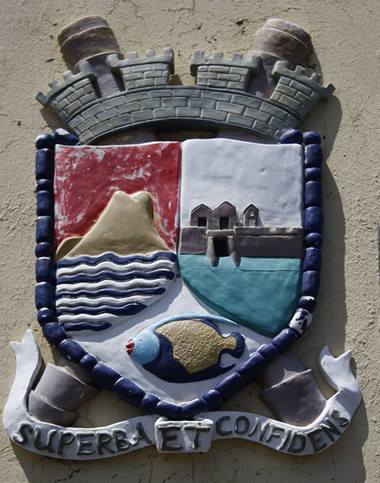 Rodney pretty much had his way. The census of 1790 shows 8,124 on the Dutch island nation. In 1950, the population stood at 790. It would take 150 years from Rodney’s departure, before tourism even began to restore the economic well-being of the tiny island.
 Historical Easter Eggs - Today in History
You must be logged in to post a comment.