

In 1630, the small, 3½ acre island in upper New York Bay was little more than a mud bank, surrounded by oyster beds and barely rising above the water at high tide. The Indians called it Kioshk, (Gull Island), after its only inhabitants. Colonial governors of what was then “Nieuw Amsterdam” exchanged the island for “certain cargoes, or parcels of goods” on July 12. Dutch settlers called it “Little Oyster Island”.
The island was briefly known as Dyre’s, then Bucking Island during the Colonial era, and briefly known as Gibbet Island after some pirates were hanged there in the 1760s. By the time of the Revolution, a New York merchant named Samuel Ellis owned the island, on which he operated a small tavern catering to fisherman.
Ellis’ heirs sold the island to New York State in 1808, which sold it to the Federal Government the same year for $10,000. The island served as an arsenal from 1812 to 1890. An 1834 agreement between New York and New Jersey gave Ellis Island and neighboring Bedloe’s Island to New York, even though it was on the New Jersey side of the main shipping channel.
Over the years, the ballast discharged from incoming ships and the material excavated from New York’s subway system and the excavation of Grand Central Station grew the island. By the 1930s, Ellis Island had grown from 3½ to 27½ acres.
 The states turned over control of immigration to the Federal Government in 1890, and an immigration control office was opened on a Barge on the Battery at the tip of Manhattan.
405,664 immigrants, 80% of the national total, were processed through the Barge Office while the Ellis Island immigration station was under construction.
That most famous gift from the people of France, the Statue of Liberty, was dedicated on October 28, 1886 on Bedloe’s Island, though it took until 1956 to officially change the name to “Liberty Island”.
The Ellis Island Immigration Station was officially opened on New Year’s Day, 1892. The first immigrant to pass through it was a 15-year-old “rosy-cheeked Irish girl,” from County Cork, named Annie Moore. Three large ships were waiting to land that first day. By year’s end nearly 450,000 had passed through the island.
Ellis island’s original Georgia pine structures were completely destroyed in a fire on June 15, 1897. The present building was opened on December 17, 1900.
An estimated 25 million passed through the Ellis Island station between 1892 and 1924. The all-time high was April 17th, 1908, when 11,747 immigrants were processed on a single day. The Immigration Act of 1924 imposed an annual quota of 164,000, marking the end of mass legal immigration to America. Ellis Island changed from an immigrant processing station at this time, to a center for the assembly, detention, and deportation of aliens who had entered the US illegally or had violated terms of admission.
That 1834 agreement came up again in the 1990s, in a series of lawsuits between New York and New Jersey over which state “owned” Ellis Island. It went all the way to the Supreme Court, which decided in 1998 that the original 3½ acres belonged to New York, but the rest of it was now in New Jersey.
Today, Ellis Island and the old immigration processing center operates as a museum of the American immigrant experience. I’d be more than a little interested, to know how they handle sales tax in the gift shop.




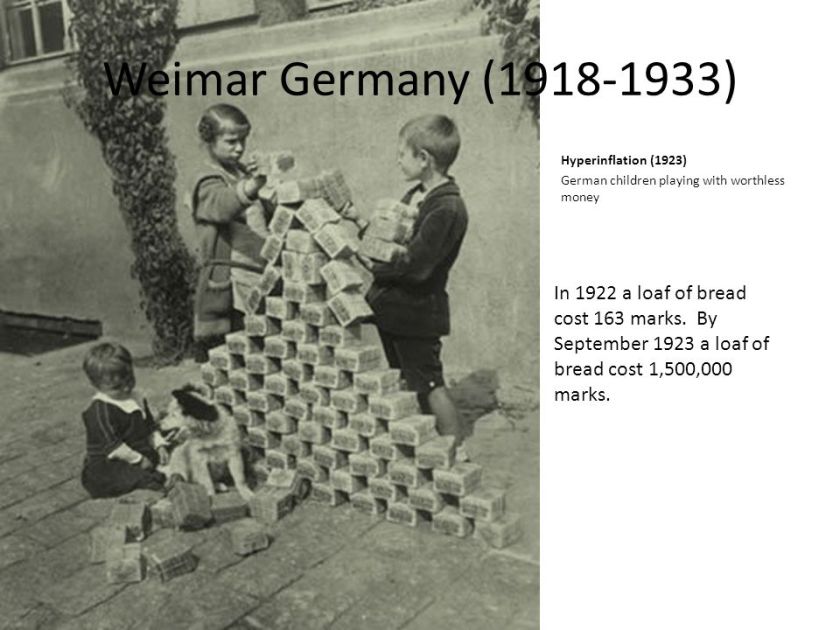
 Hungary replaced the Kronen with the Pengö in 1926, pegged to a rate of 12,500 to one.
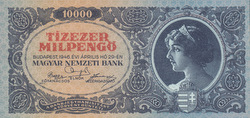
 One more currency replacement and all that Keynesian largesse would finally stabilize the currency, but at what cost? Real wages were reduced by 80% and creditors wiped out. The fate of the nation was sealed when communists seized power in 1949. Hungarians could now share in that old Soviet joke: “They pretend to pay us, and we pretend to work”.


 During the landing phase, private Rowell and Chips were pinned down by an Italian machine gun team. The dog broke free from his handler, running across the beach and jumping into the pillbox. Chips attacked the four Italians manning the machine gun, single-handedly forcing their surrender to American troops. The dog sustained a scalp wound and powder burns in the process, demonstrating that they had tried to shoot him during the brawl. In the end, the score was Chips 4, Italians Zero. He helped to capture ten more later that same day.




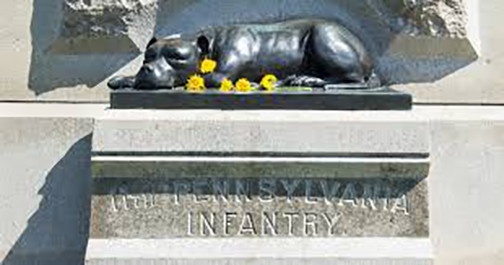
 Sallie’s first battle came at Cedar Mountain, in 1862. No one thought of sending her to the rear before things got hot, so she took up her position with the colors, barking ferociously at the adversary. There she remained throughout the entire engagement, as she did at Antietam, Fredericksburg, Chancellorsville, and Spotsylvania. They said she only hated three things: Rebels, Democrats, and Women.

 “Sallie was a lady,
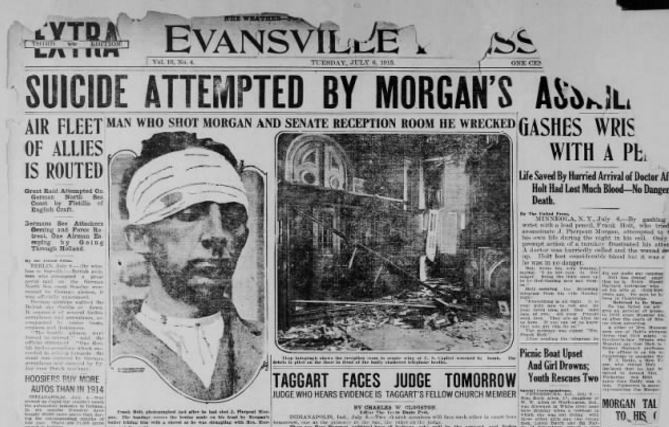
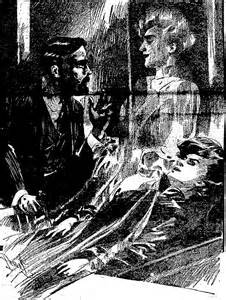
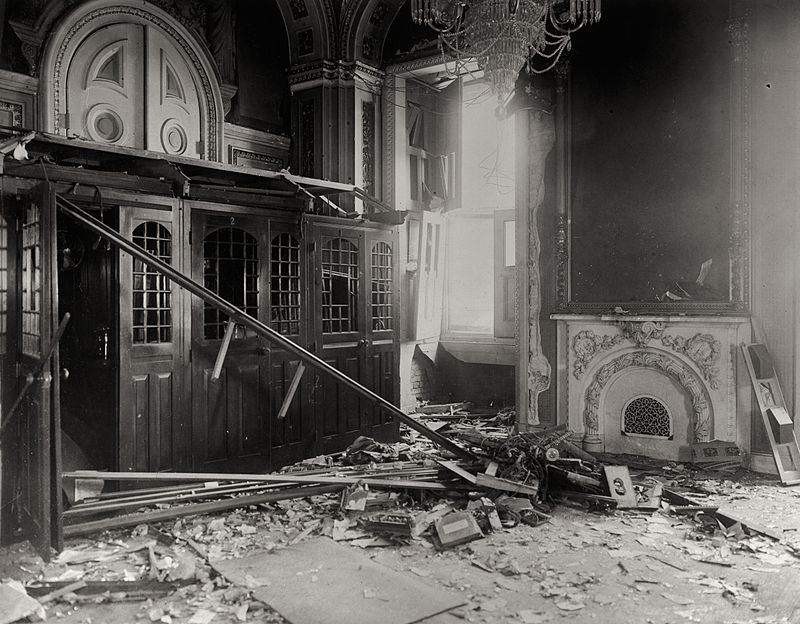
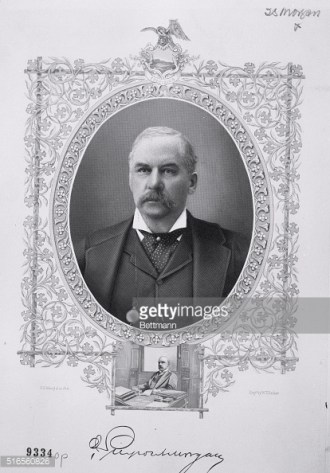
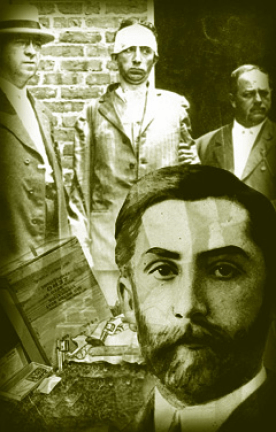 That Sunday morning, July 4, the J.P. Morgan shooting seems to have been front page on every newspaper in the world. On July 5, Erich Muenter took the brass ferrule from a pencil eraser, and slit his wrist. That suicide attempt was unsuccessful. The following day, Muenter scaled the bars in his prison and jumped, leaving his brains on the concrete floor, twenty feet below.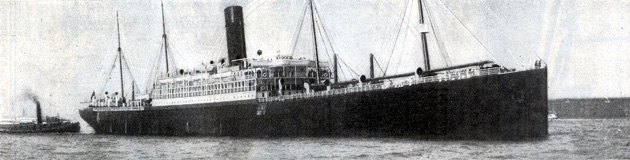





 Historical Easter Eggs - Today in History
You must be logged in to post a comment.