

On ratification of the modern constitution in 1789, the founding fathers gazed out at what they had wrought. What they saw, was debt.
The Continental government had been unable to levy taxes under the Articles of Confederation, the only major income source being foreign import duties. The government had borrowed money to meet expenses during this period, accumulating $54 million in debt. The states themselves another $25 million.
Compounding the problem was the matter of runaway inflation, which had plagued the Articles of Confederation period. The colonies had printed paper currency to pay debts, as did the national government. Silver coinage remained stable due to the inherent value of the metal itself, but there was nothing behind this paper money. At one point, you could buy a single sheep for $2 “hard currency”, or $150 in paper “Continental Dollars”. To this day, you might hear the expression “worthless as a continental”.
The first Secretary of the Treasury, Alexander Hamilton, reported in his Report on Public Credit, urging Congress to consolidate state and national debt into a single debt to be funded by the federal government. Hamilton felt that existing duties were as high as they could be without depressing imports, so he recommended the first excise tax on a domestically manufactured product – whiskey. The more meddlesome of Hamilton’s contemporaries were enthusiastically in favor of a “sin tax”, just as they are today. The “Whiskey Act” became law on March 3, 1791.
The whiskey tax was immediately unpopular, particularly in the west where it was, for all intents and purposes, an income tax. At a flat rate of 7¢ per gallon, the tax weighed more heavily on the western frontiers, where whiskey was sold for 50¢ a gallon. About half what it sold for in the more established regions of the east.
Furthermore, coinage wasn’t easy to come by on the frontiers. In many areas the medium for exchange was whiskey itself. The stuff was popular, it’s value was relatively stable, and it was easier to transport than the grain from which it was distilled.
Folks on the western fringes of the new nation already felt the federal government was doing too little to secure them against the predation of Indians. This whiskey tax was the final straw.

Petitions were signed against the new law and there were hearings, none of which settled the matter satisfactorily. Events reached a boiling point in May 1794, when federal district attorney William Rawle issued subpoenas for more than 60 Western Pennsylvania distillers who had not paid their excise tax. All 60 were expected to appear in excise court in Philadelphia, an expensive, disruptive trip that these poor farmers were loathe to undertake.
The war of words became a shooting war as US Marshal David Lenox was delivering these writs in Allegheny County, south of Pittsburgh, on July 15.
 More shooting incidents occurred in the days that followed. Objections to the whiskey tax gave way to a long list of economic grievances, as over 7,000 gathered in Braddock’s Field on August 1. They talked of secession and carried their own flag, each of its six stripes representing one of 6 Pennsylvania or eastern Ohio counties.
At last they marched on Pittsburg, burning the barns of Major Abraham Kirkpatrick, who had previously led soldiers against them.
A federalized militia force of 12,950 was raised to put down what President Washington saw as armed insurrection, marching on Western Pennsylvania in October 1794. It was a larger force than General Washington normally had under his command during the late Revolution.
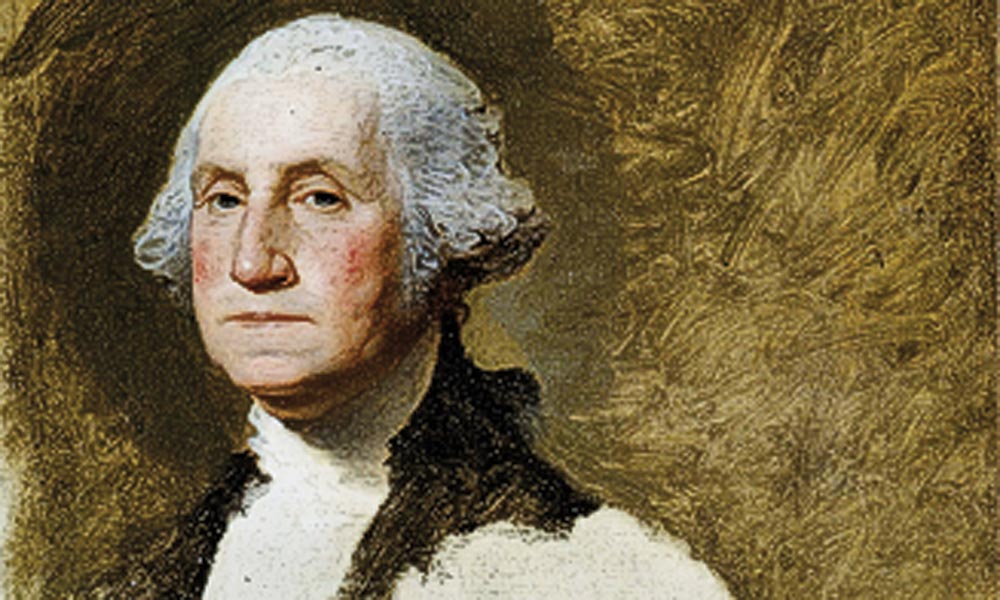
Washington himself rode out to check on the progress of his army, the first and only time in history that a sitting American President led an army in the field.
 The whiskey rebellion collapsed in the face of what was then an overwhelming army, with 10 of their leaders brought to Philadelphia to stand trial. Two were sentenced to hang for their role in the rebellion, but President Washington pardoned them both. The whiskey rebellion was over.
All internal taxes were repealed in 1800, when President Thomas Jefferson returned US fiscal policy to a reliance on trade tariffs. With the Napoleonic wars ongoing in Europe, business was good. National debt was reduced from $83 million to $43 million, despite $11 million spent on the Louisiana Purchase.
President Andrew Jackson paid off the national debt in its entirety, in 1835. The first and only President in United States history, ever to do so. Since that time, the Federal government has saddled the American taxpayer with approximately $301 million in additional debt. Per day.


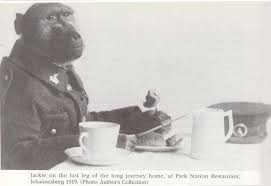
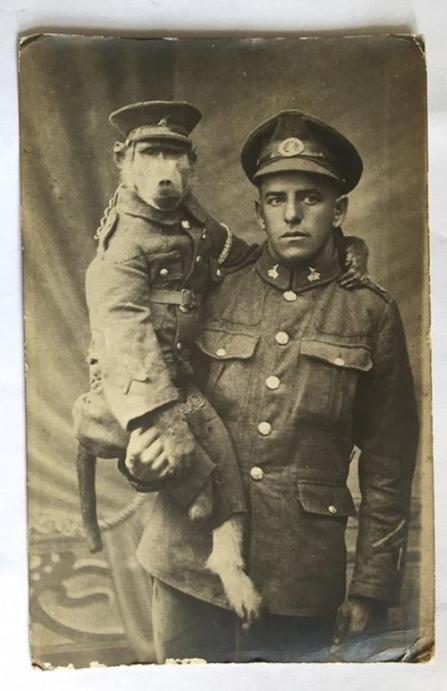 Private Marr asked for and received permission to bring Jackie along with him. It wasn’t long before the monkey became the official Regimental Mascot.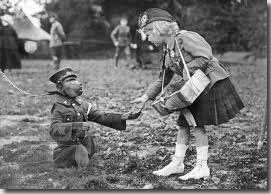


 Indianapolis made her delivery on July 26, arriving at Guam two days later and then heading for Leyte to take part in the planned invasion of Japan. She was expected to arrive on the 31st.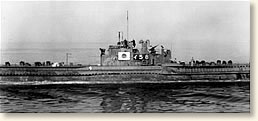
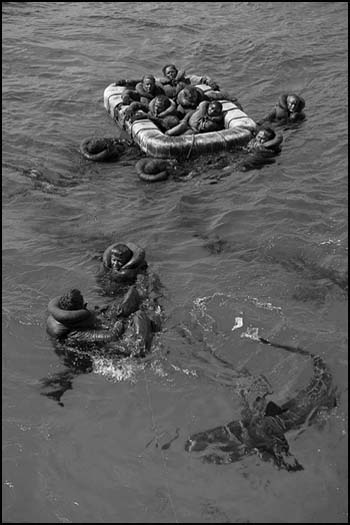
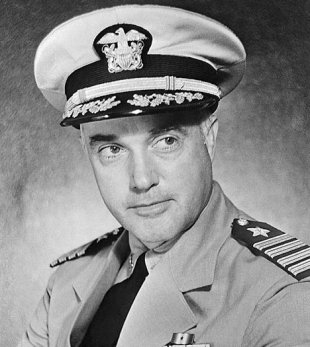

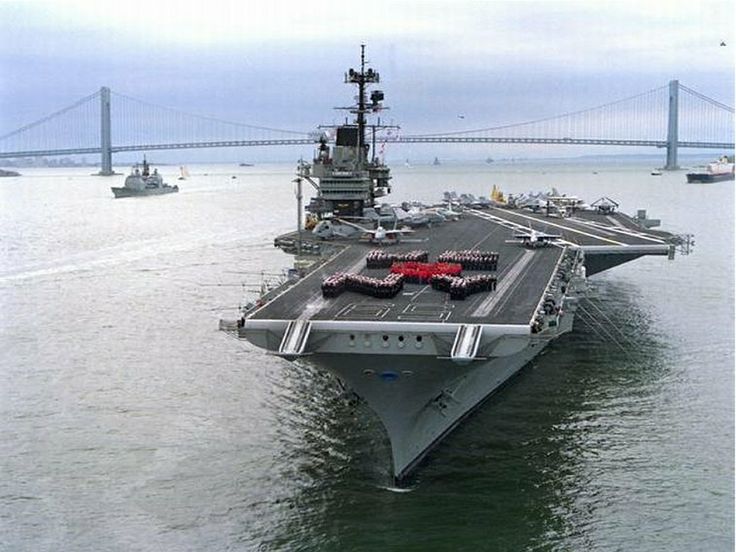
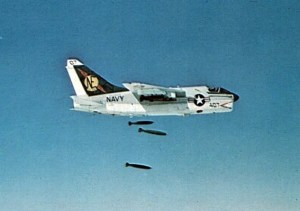
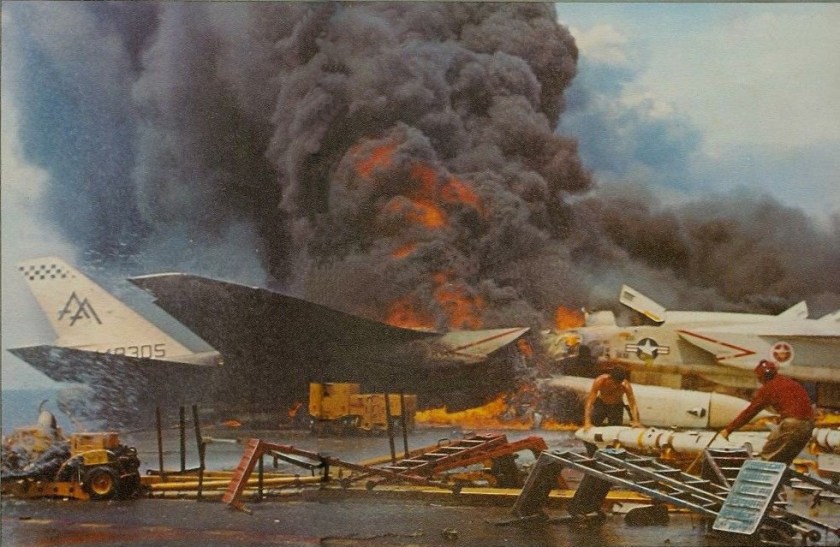
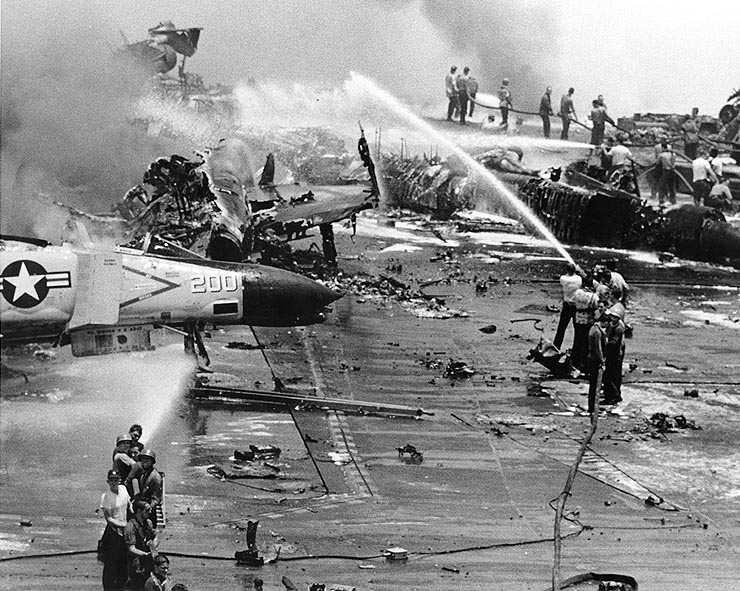


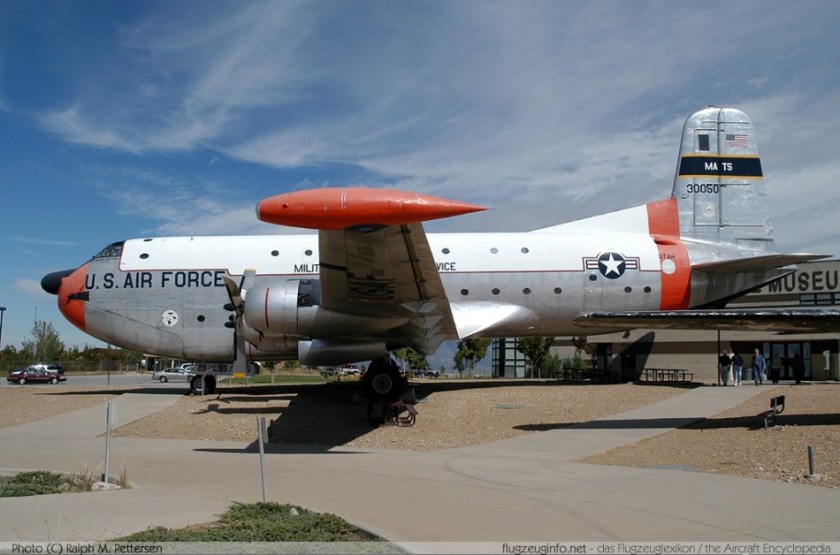
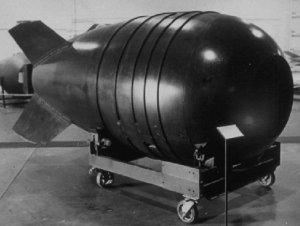
 An emergency landing on open ocean is not an option with such a large aircraft. It would have broken up on impact with the probable loss of all hands. Descending rapidly, the crew would have jettisoned everything they could lay hands on, to reduce weight. Non-essential equipment would have gone first, then excess fuel, but it wasn’t enough. With only 2,500ft and losing altitude, there was no choice left but to jettison those atomic bombs.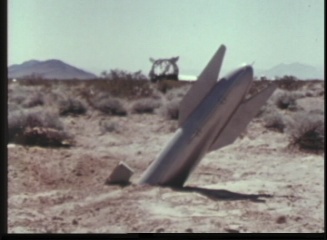


 “A Wild Hare”, directed by Tex Avery and released on this day in 1940, was the first recognizable Bugs Bunny cartoon. For the first time Elmer Fudd and Bugs Bunny are cast as hunter and tormentor, the first time Mel Blanc used that trademark Flatbush accent, and the first in which Bugs uses his catchphrase, “Ehhh, What’s up, Doc?” A Wild Hare was a huge success in theaters, receiving an Academy Award nomination for Best Animated Short Film and ensuring Bugs Bunny’s future as a stock character.
 In 1941, “Hiawatha’s Rabbit Hunt” became the second Bugs Bunny cartoon to receive an Academy Award nomination for Best Animated Short Film. It didn’t win the award, and Bugs later made fun of the award in “What’s Cookin’ Doc?”. In 1944 he demands a recount, claiming to be the victim of “sa-bo-TAH-gee”.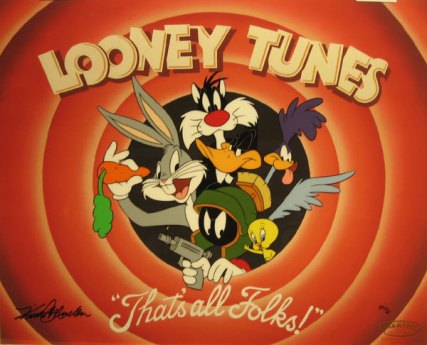


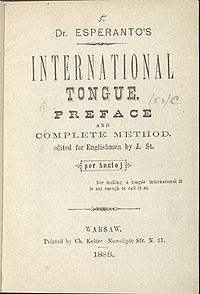 As the son of a German language teacher, Zamenhof was fluent in many languages, including Russian, German, French, Latin, Greek, Hebrew, Yiddish and English. He was reasonably proficient in Italian, Spanish and Lithuanian, as well. Zamenhof came to believe that poor relations between Białystok’s many minorities stemmed from the lack of a common language, so he set out to create an “auxiliary language” – an international second language that would help people of different ethnic and linguistic backgrounds communicate with one another.
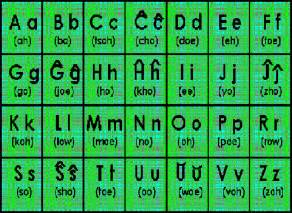 The Esperanto alphabet includes 28 letters. There are 23 consonants, 5 cardinal vowels, and 2 semivowels which combine with vowels to form 6 diphthongs. Esperanto words are derived by stringing together prefixes, roots, and suffixes. The process is regular, so that people can create new words as they speak and still be understood.



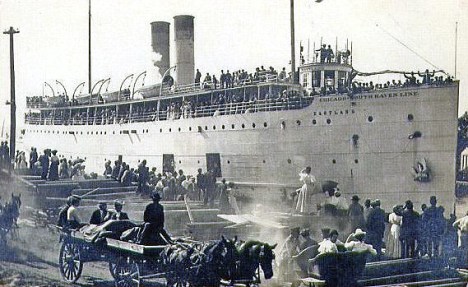
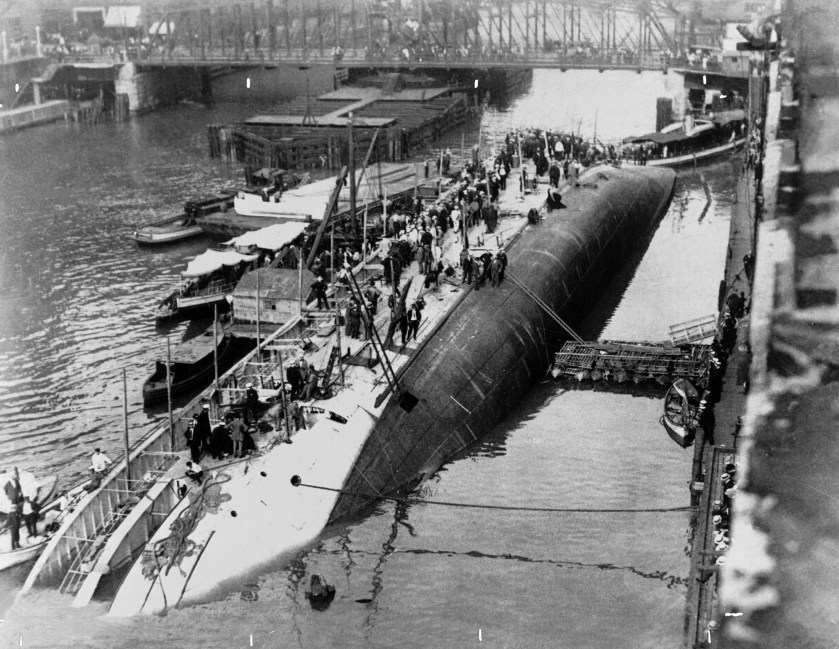
 Temporary morgues were set up in area buildings for the identification of the dead; including what is now the sound stage for The Oprah Winfrey Show, Harpo Studios, and the location of the Chicago Hard Rock Cafe.
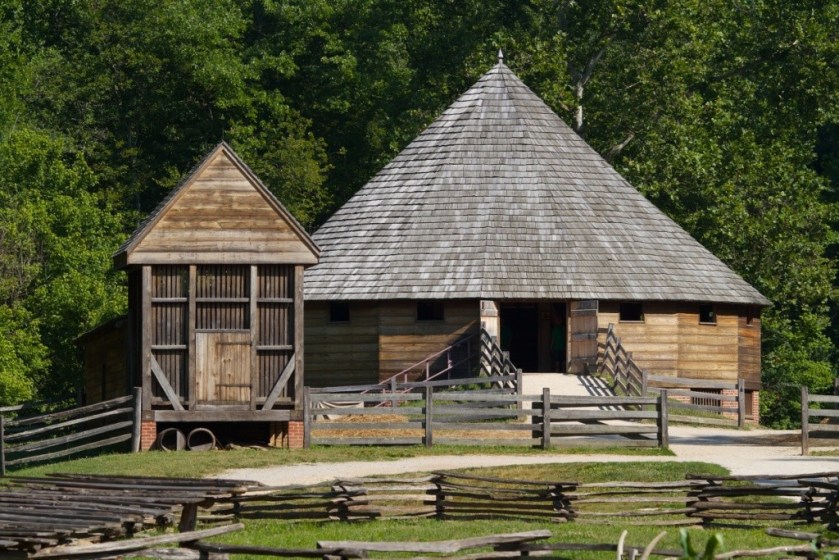
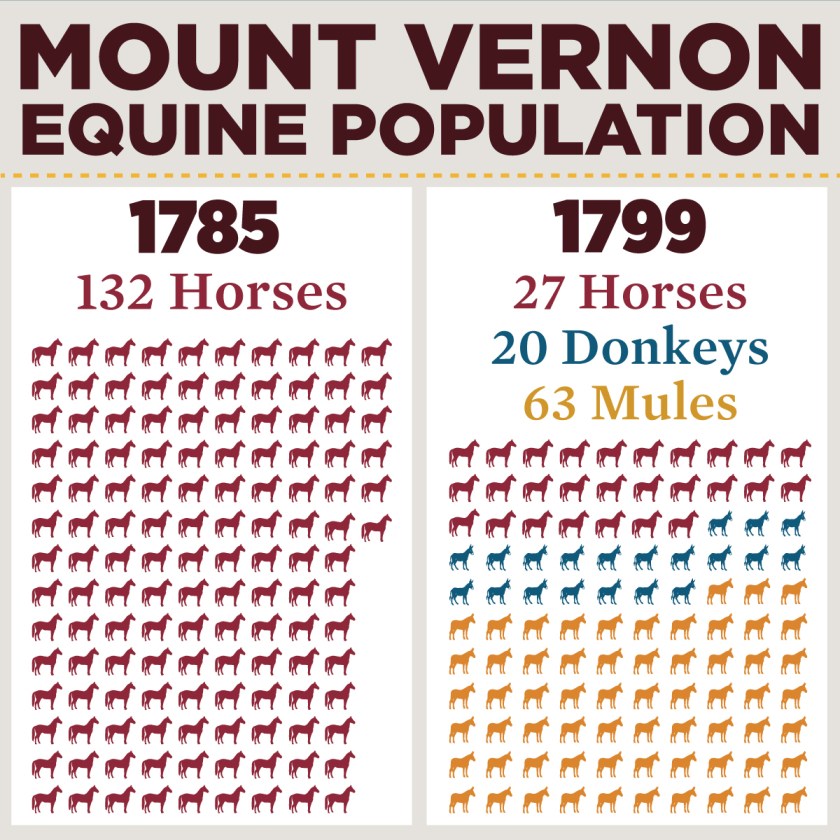
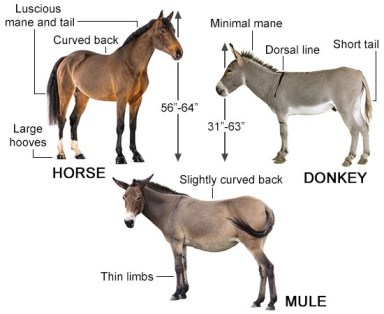 Mules are hybrid animals, the offspring of a male Equus Africanus Asinus, and a female Equus Caballus. A jackass and a mare. From the sire, the mule inherits intelligence, toughness and endurance, while the dam passes down her speed, conformation and agility.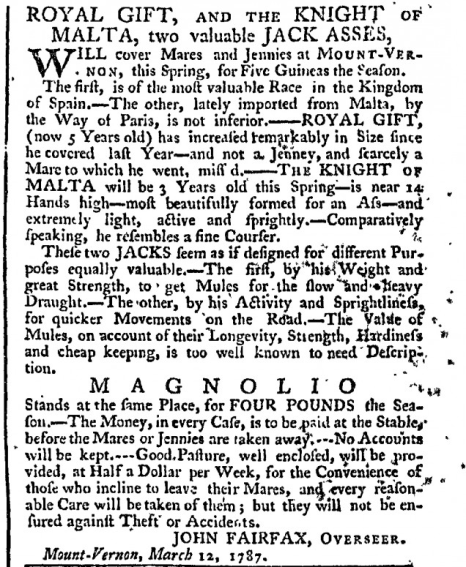

 Historical Easter Eggs - Today in History
You must be logged in to post a comment.