

In 2013, the New York Times conducted a linguistics survey of regional and vernacular speech in the US. An unexpected result related to the use of certain terms was that words and phrases predicted with uncanny accuracy, where the respondent had come from.
One such question yielded a surprising result: “What do you call the night before Halloween?”
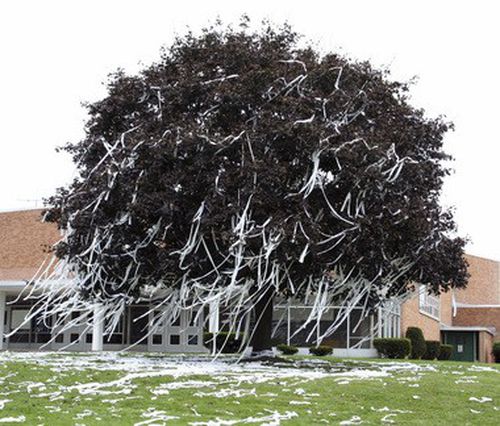
For Graphics Editor Josh Katz, the answer was, ” Mischief Night.” Growing up in the Philadelphia suburbs, that’s what Everyone called it.
For my reprobate Framingham buddies and me, the answer is “Cabbage Night.”
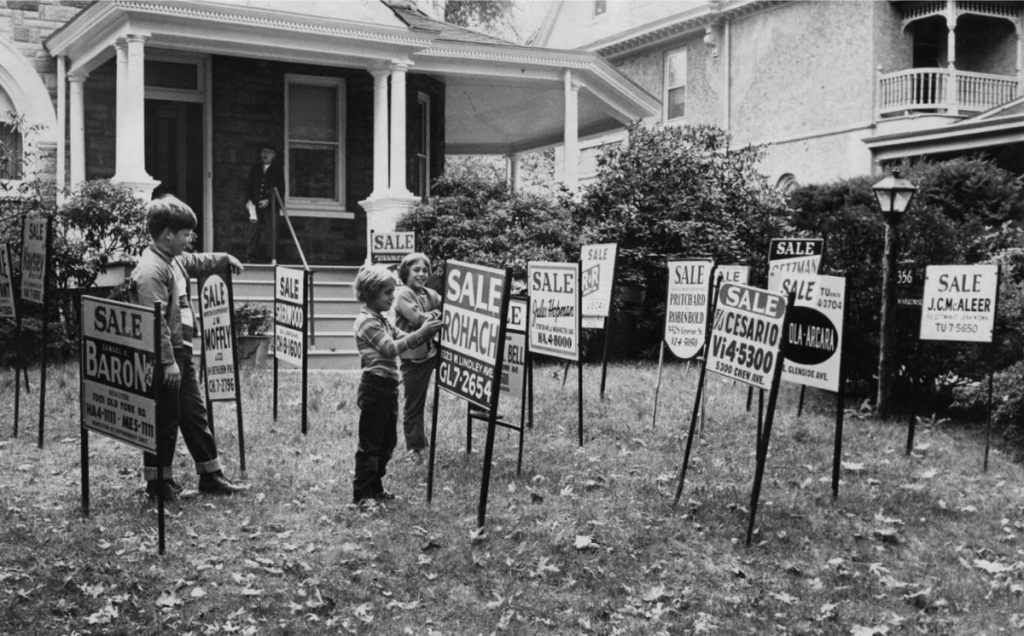
For most Americans, this day bears no name, no significance beyond… October 30.
For some of us, this is (or was), a night for those aged out of trick-or-treating to engage in harmless (and sometimes not-so-harmless) mischief.
As early as 1583, the Puritan pamphleteer Phillip Stubbs decried the eve of May Day as “Mischief Night”.
In 1900s England, the event shifted to later in the year and became associated with Guy Fawkes Day, held on November 5. As All-Hallows Eve gained popularity in the US, “Mischief Night” moved to the eve of Halloween.
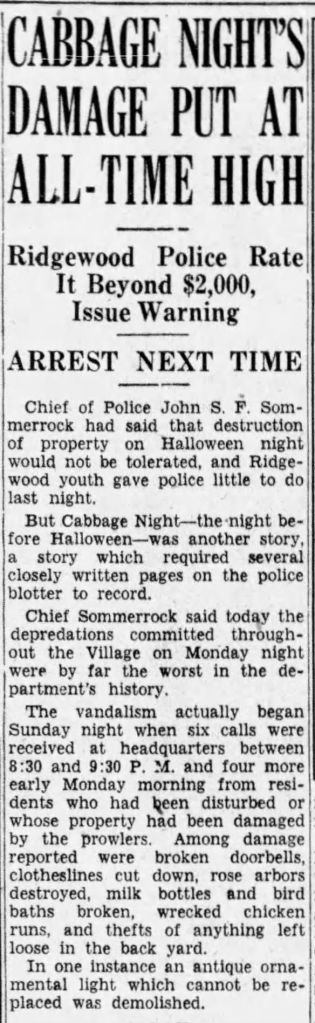
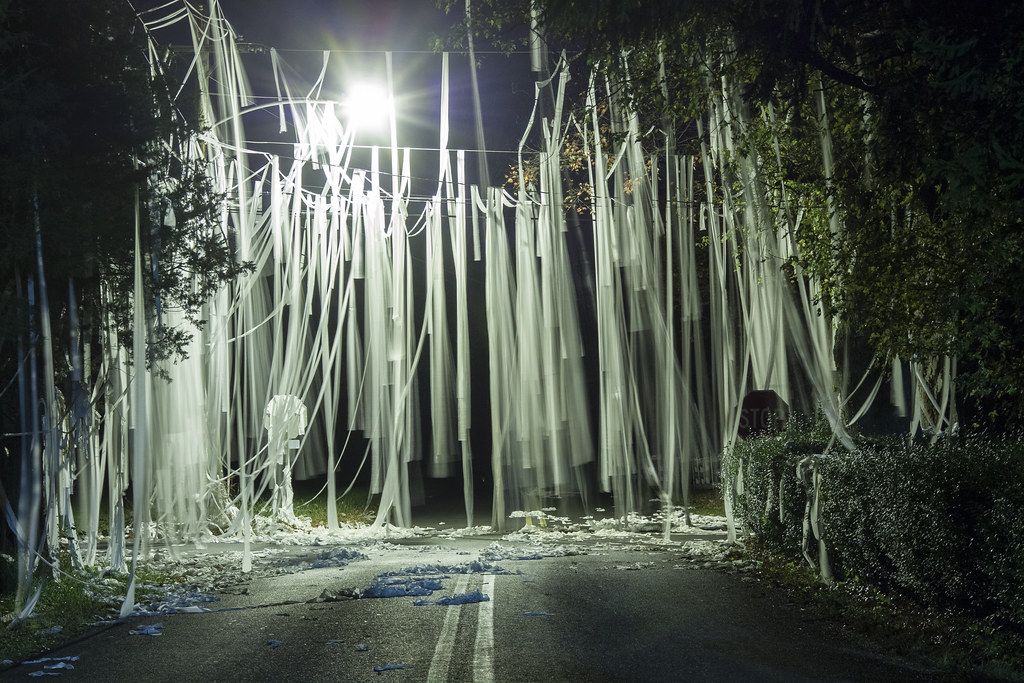
The pranks were mostly harmless – greased doorknobs or burning bags of dog-poo left on front steps, in hopes that the occupants would come stomp them out. Sometimes, things got out of control. In 1991, 160 fires were started in Camden New Jersey.
If you’re from Detroit, you’ll recognize October 30 as Devil’s Night. According to the Detroit Historical Society, Devil’s Night carryings-on were mostly “genteel”, until someone started lighting abandoned properties on fire. Over 800 such fires were ignited in 1984.
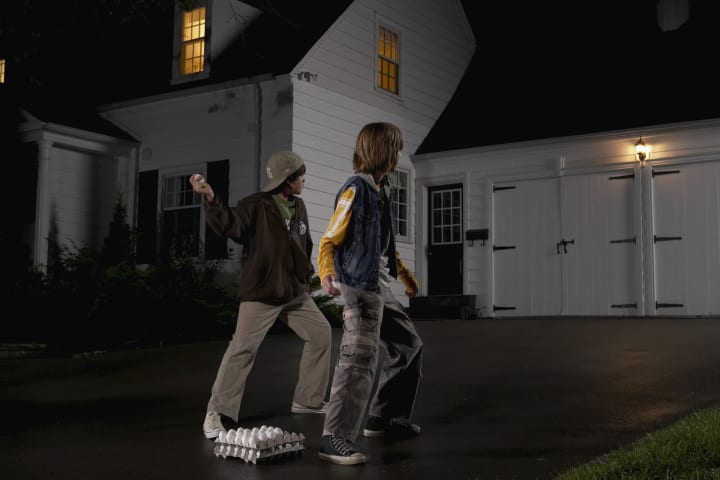
During the late 19th century, parts of western Massachusetts experienced bumper crops of certain vegetables, prompting local delinquents to pull rotten cabbages out of the ground and throw them at houses. On October 30, 1892, the Berkshire County Eagle lamented “…pent up devilry, accumulated in a year’s time, in the minds of a hundred boys, break[ing] forth on cabbage night in Dalton, and persons admiring safety stay in doors.”
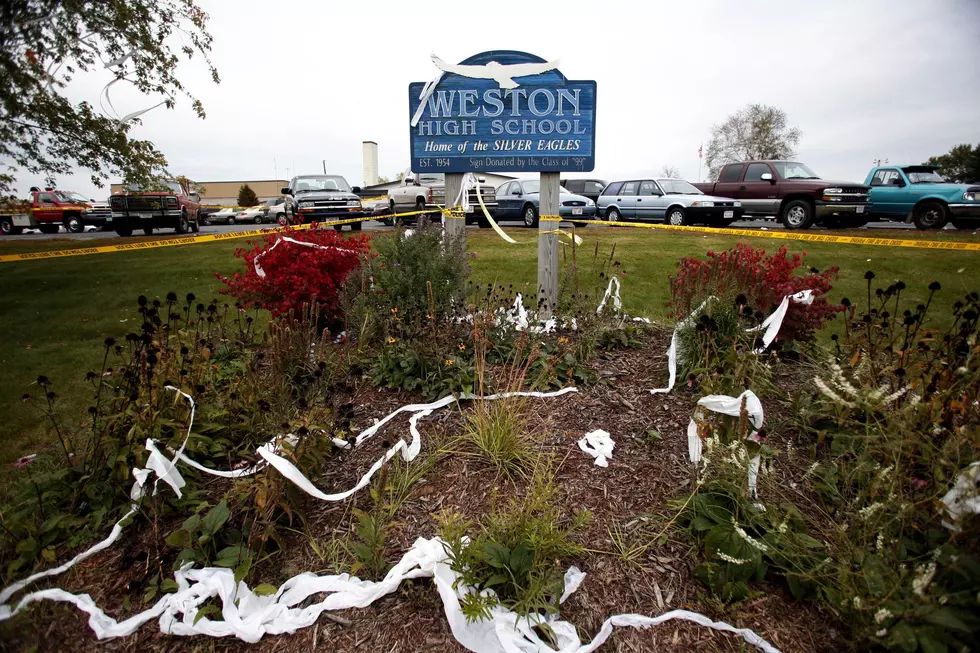
According to the Dictionary of Regional American English (DARE), some parts of Pennsylvania recognize “Chalk Night” as a time to chalk fences and sidewalks and everything else that doesn’t run away, perpetrators sometimes adding a prank or two for good measure.
In parts of New Hampshire, October 30 is “Gate Night,” when livestock is let loose to roam, and a good time for the occasional apple fight.
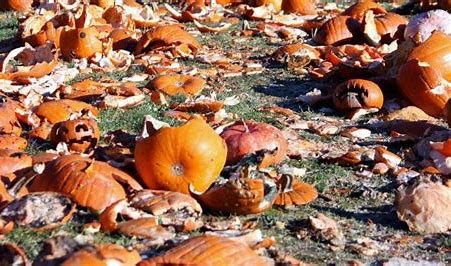
Local revelers know October 30 as “Corn Night” in Nebraska, “Goosey Night” in parts of New Jersey, and “Beggar’s Night” in central Iowa. Cincinnati cuts right to the chase with “Damage Night”.
So, go ahead. Ring the neighbor’s doorbell and run like hell. Hang a roll of toilet paper on someone’s tree and go toss a cabbage or two. My buddies and I, we’re going to bed early. We’re all grandfathers now.
Sharing Today in History:


LikeLiked by 1 person
Thank you for sharing, sir.
LikeLiked by 1 person