

It was September 8, 2004, less than two months before the 2004 Presidential election. CBS News aired a 60 Minutes™ broadcast hosted by News Anchor Dan Rather, centered on four documents critical of President George W. Bush’s National Guard service in 1972-‘73. The documents were supposed to have been written by Bush’s commander, Lieutenant Colonel Jerry B. Killian, who’d passed away in 1984.
 The documents came from Lt. Col. Bill Burkett, a former Texas Army National Guard officer who had received publicity back in 2000, when he claimed to have been transferred to Panama after refusing to falsify then-Governor Bush’s personnel records. He later retracted the claim, but popped up again during the 2004 election cycle. Many considered Burkett to be an “anti-Bush zealot”.
Within hours of the broadcast, the documents were criticized as forgeries. Internet forums and blogs challenged the terminology and typography of the memos. Within days it came out that the font used in the memos didn’t exist at the time the documents were supposed to have been written.
That didn’t stop the Boston Globe from running a story entitled “Authenticity Backed on Bush Documents”, a story they later had to retract.
Criticism of the 60 Minutes’ piece intensified, as CBS News and Dan Rather dug in and defended their story. Within the week, Rather was talking to a Daily Kos contributor and former typewriter repairman who claimed that the documents could have been written in the 70s. Meanwhile, the four “experts” used in the original story were publicly repudiating the 60 Minutes piece.
Other aspects of the documents were difficult to authenticate without access to the originals. CBS had nothing but faxes and photocopies, and Burkett claimed to have burned the originals after faxing them to the network.
 The New York Times interviewed Marian Carr Knox who’d been secretary to the squadron in 1972, running a story dated September 14 under the bylines of Maureen Balleza and Kate Zernike. The headline read “Memos on Bush Are Fake but Accurate, Typist Says“.
The story went on to describe the 86 year-old Carr’s recollections that she never typed the memos, but they accurately reflected the feelings of Lt. Col. Killian. “I think he was writing the memos”, she said, “so there would be some record that he was aware of what was going on and what he (Bush) had done.”
Yet Killian’s wife and son had cleared out his office after his death, and they didn’t find anything even hinting at the existence of such documents. Others who claimed to know Carr well described her as a “sweet old lady”, but said they had “no idea” where her statements had come from.
CBS News would ultimately retract the story, as it came out that Producer Mary Mapes collaborated on it with the Kerry campaign. Several network news people lost their jobs, including Rather and Mapes.
 Public confidence in the “Mainstream Media” plummeted. Many saw the episode as a news network lying, and the “Newspaper of Record” swearing to it.
“Conservative” news sources like PJ Media rose in the aftermath, a tongue-in-cheek reference to the fact that a bunch of bloggers “in their jammies”, uncovered in hours what the vaunted news gathering apparatus of CBS News failed to figure out in weeks.
Such news media bias is nothing new. In 1932-33, New York Times reporter Walter Duranty reported on Josef Stalin’s deliberate starvation of millions of Ukrainians, known as “Holodomor”. “Extermination by hunger”. With 25,000 starving to death every day, Duranty won a Pulitzer with such gems as: “There is no famine or actual starvation nor is there likely to be.” – (Nov. 15, 1931), and, “Any report of a famine in Russia is today an exaggeration or malignant propaganda.” – (Aug. 23, 1933).

The 1993 NBC Dateline “Exploding Truck” edition didn’t get the desired effect when they crash tested that pickup truck, so they rigged another one with a pyrotechnic device. Sure enough, that one exploded on cue. The “Exposé” was fiction masquerading as “News”, but hey. The explosion made good television.
In a transparent attack on an administration with which it had political disagreements, the New York Times ran the Abu Ghraib story on the front page, above the fold, for 32 days straight. Just in case anyone missed the first 31.
And who can forget that edited audio from George Zimmermann’s 911 call. Thank you, NBC.
If the point requires further proof, watch ABC News Charlie Gibson’s 2008 interview with Sarah Palin, then read the transcript. Whether you like or don’t like Ms. Palin is irrelevant to the point. The transcript and the interview as broadcast, are two different things.
The political process is afflicted when news agencies act as advocates in the stories they cover. Our system of self-government cannot long survive without an informed electorate. That may be the worst part of this whole sorry story.


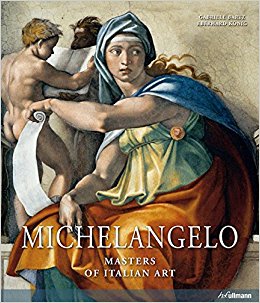 a nostalgic period looking back to the Classical age. Whatever it was, the 15th and 16th centuries produced some of the most spectacularly gifted artists, in history.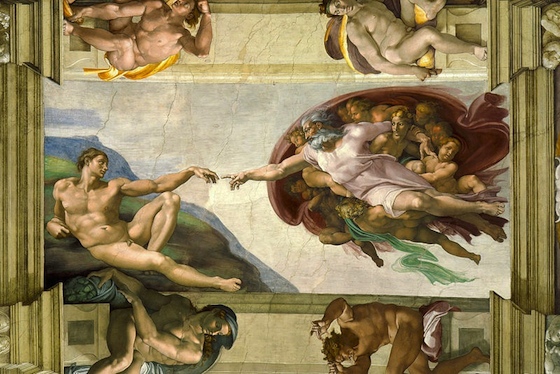
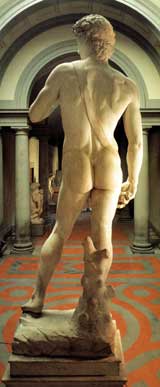 The massive block of Carrara marble was quarried in 1466, nine years before Michelangelo was born. The “David” commission was given to artist Agostino di Duccio that same year. So difficult was this particular marble block that he never got beyond roughing out the legs and draperies. Antonio Rossellino took a shot at it 10 years later, but he didn’t get much farther.
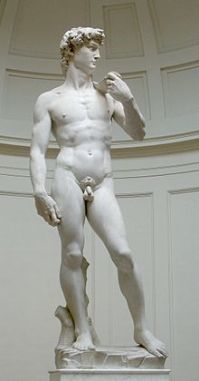 Cathedral, but it wasn’t feasible to raise such an object that high. A committee including Leonardo da Vinci and Sandro Botticelli was formed to decide on an appropriate site for the statue. The commitee chose the Piazza della Signoria outside the Palazzo Vecchio, the town hall of Florence.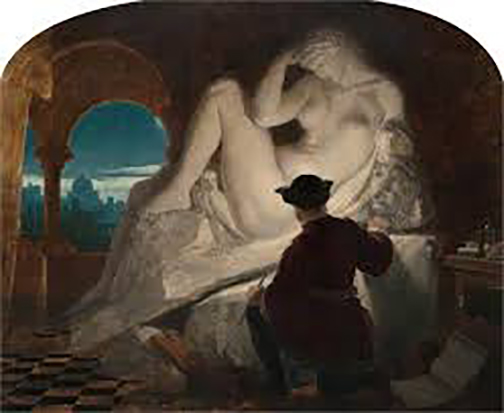

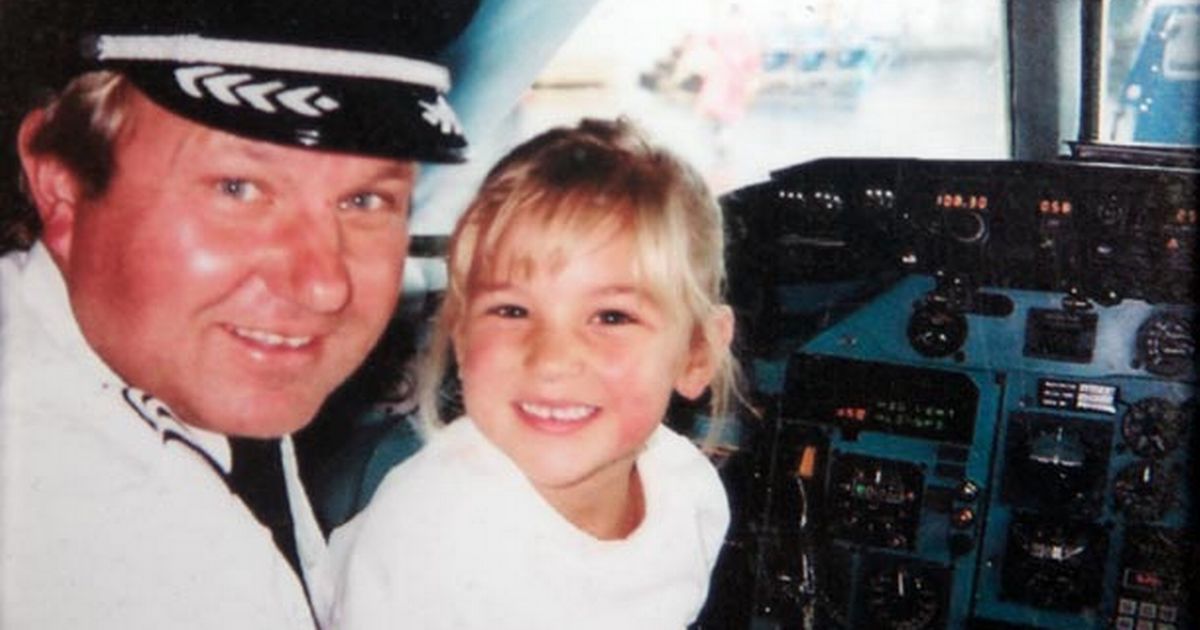
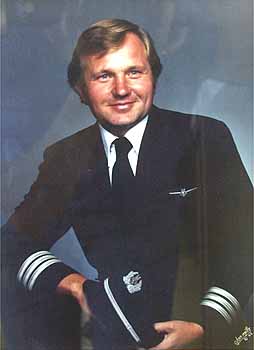 Graduating from UMass Lowell in 1972 with a degree in nuclear engineering, John Ogonowski joined the United States Air Force. During the war in Vietnam, the farmer-turned-pilot would ferry equipment from Charleston, South Carolina to Southeast Asia, sometimes returning with the bodies of the fallen aboard his C-141 transport aircraft.
 Ogonowski helped to create the Dracut Land Trust in 1998, working to conserve the town’s agricultural heritage. He worked to bring more people into farming, as well. The bumper sticker on his truck read “There is no farming without farmers”.
 It was a natural fit. Ogonowski felt a connection to these people, based on his time in Vietnam. He would help them, here putting up a shed, there getting a greenhouse in order or putting up irrigation. He would help these immigrants, just as those Yankee farmers of long ago, had helped his twice-great grandfather.
 The program was a success. Ogonowski told The Boston Globe in 1999, “These guys are putting more care and attention into their one acre than most Yankee farmers put into their entire 100 acres.”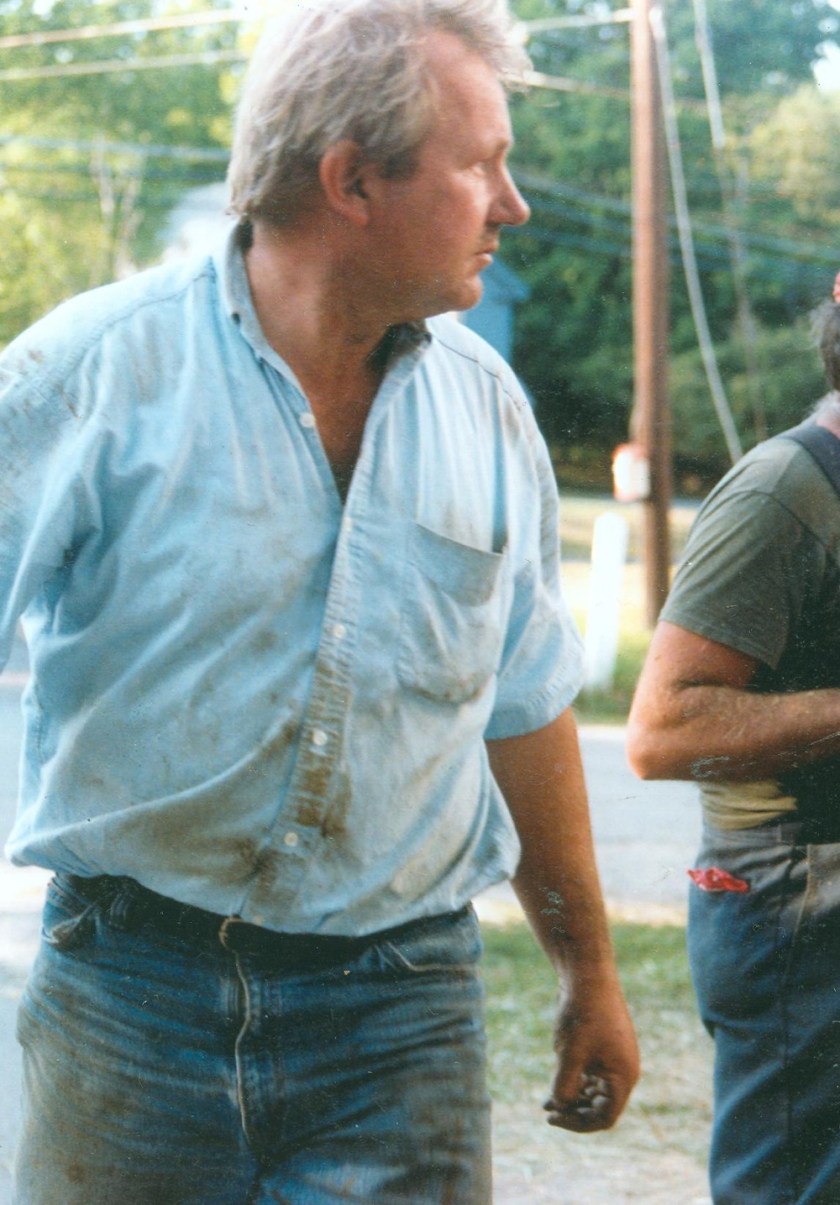

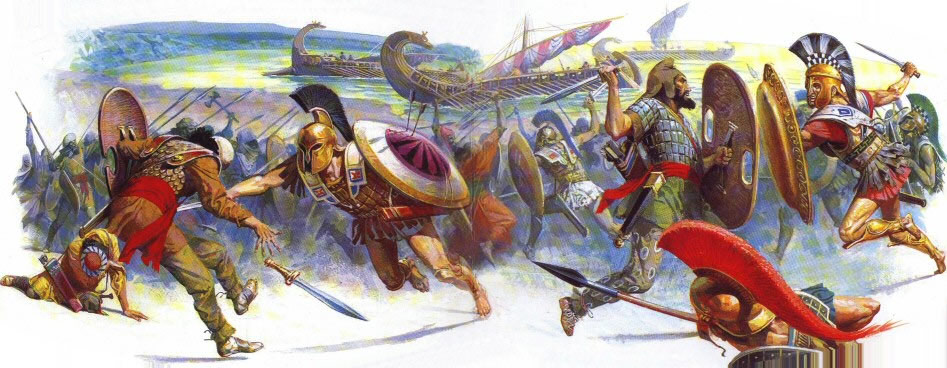
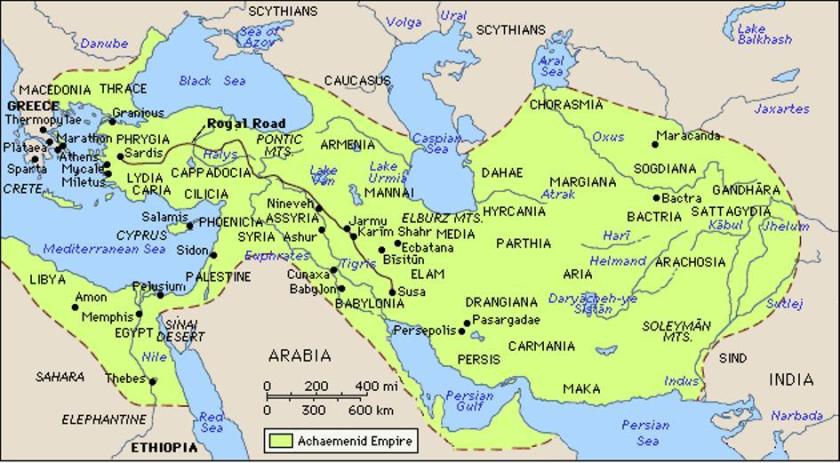
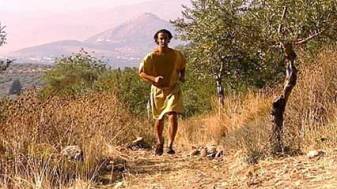
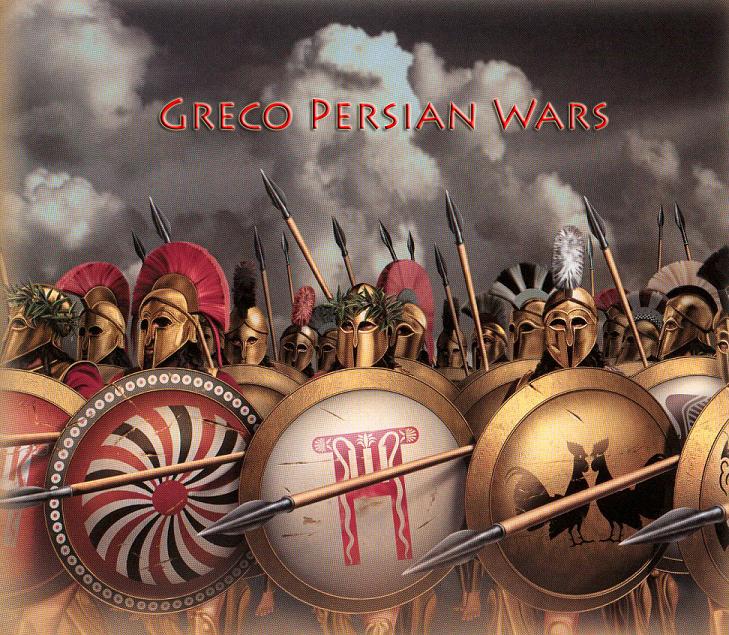
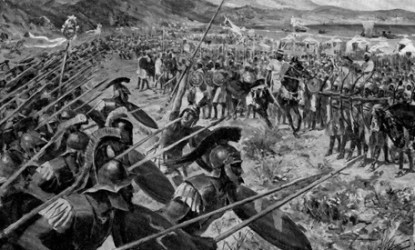 Weighed down with 70lbs per man of bronze and leather armor, the Greek line likely marched out to 200 yards, the effective range of Persian archers. Greek heavy infantry closed the last 200 meters at a dead run, the first time a Greek army had fought that way.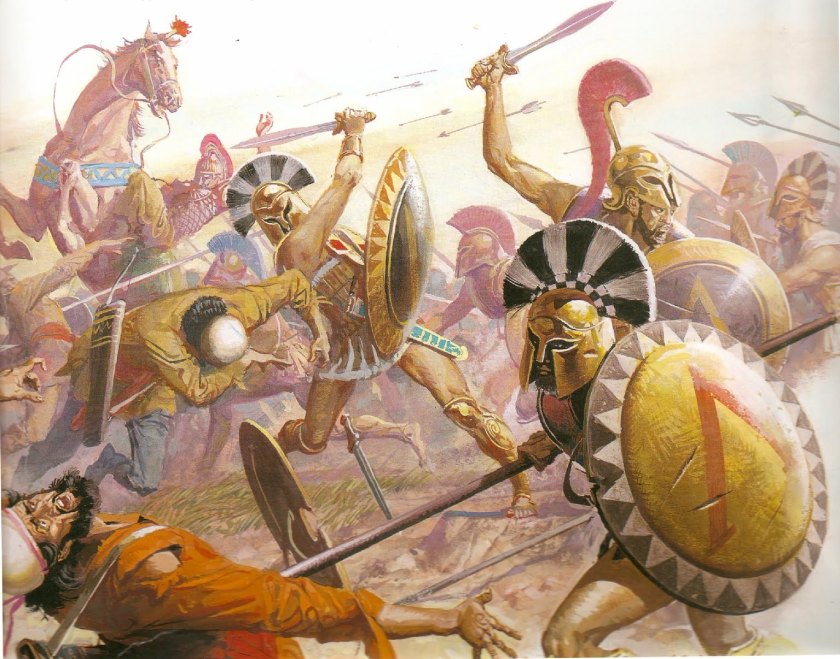

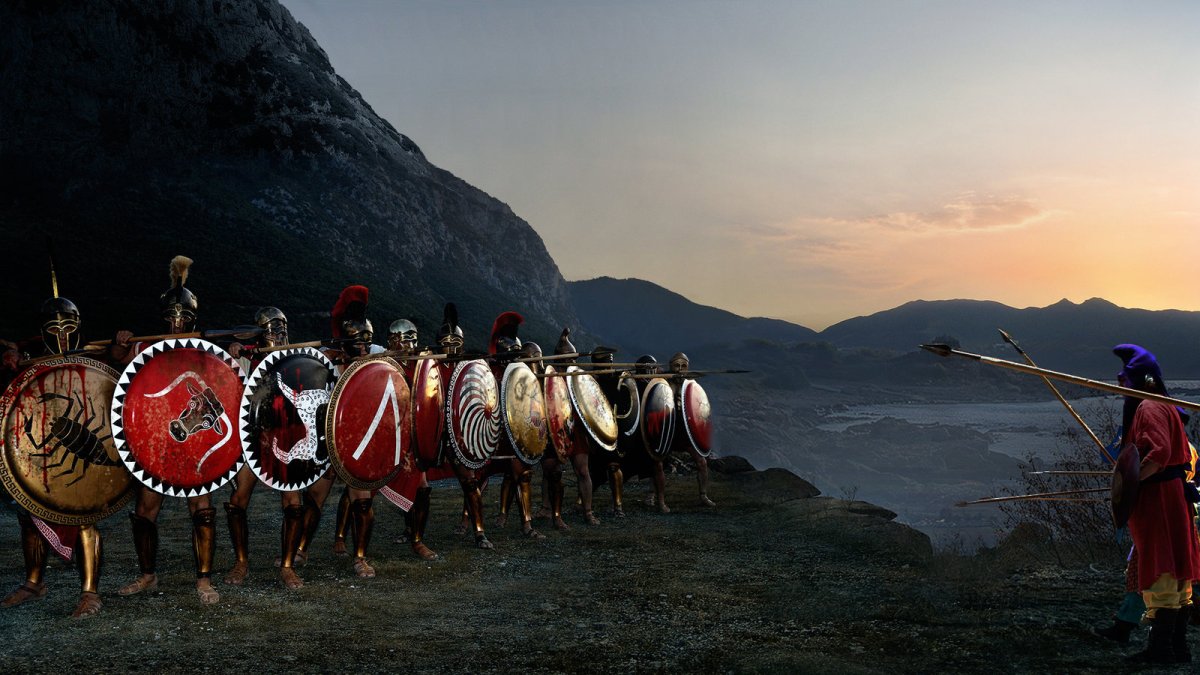
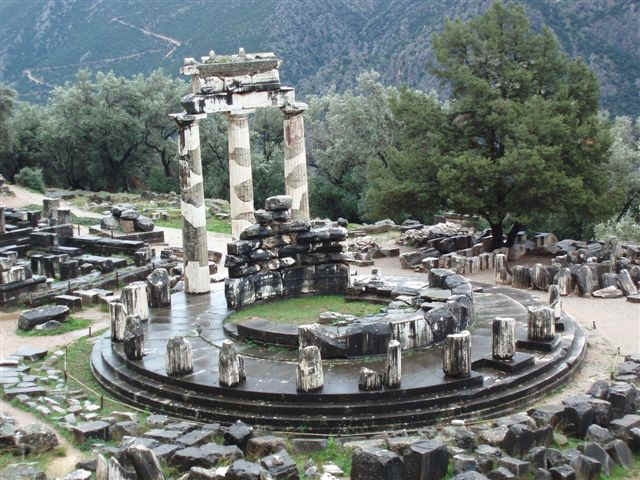
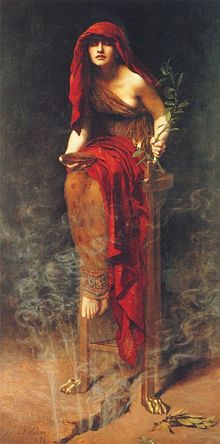
 The 300 marched out at the head of an allied army of 7,000, to meet a Persian army which modern estimates put at 100,000 to 150,000. A native of Trachis told the Spartan General Dienekes, that Persian archers were so numerous their arrows would block out the sun. “Good”, replied Dienekes. “Then we shall fight in the shade”.
 Knowing he was betrayed and would soon be surrounded, Leonidas sent most of the allied soldiers away. They would be needed for the battle yet to come.


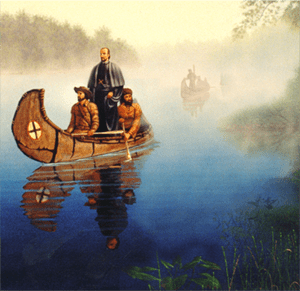 On May 17, 1673, Father Jacques Marquette set out with the 27-year old fur trader Louis Joliet to explore the upper reaches of the Mississippi River. Their voyage established the possibility of water travel from Lake Huron to the Gulf of Mexico, helping to initiate the first white settlements in the North American interior and bestowing French names on cities from La Crosse to New Orleans.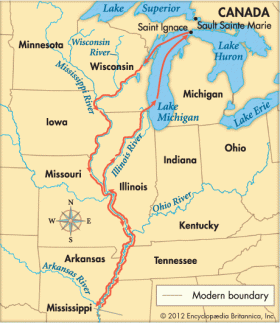



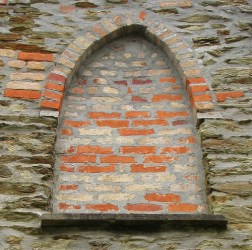 glazed at some future date.

 In 1862, the California legislature passed a tax on Chinese residents, entitled “An Act to Protect Free White Labor against Competition with Chinese Coolie Labor, and to Discourage the Immigration of Chinese into the State of California.”
 In the first century AD, Roman Emperors Nero and Vespasian levied a tax on piss. Honest. In those days, the lower classes pee’d into pots which were emptied into cesspools.

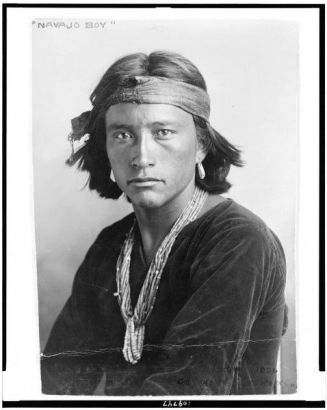 Much has been written of the conflict between Natives and American settlers, but that story has little to compare with the level of distrust and mutual butchery which took place between Mexico and the Apache.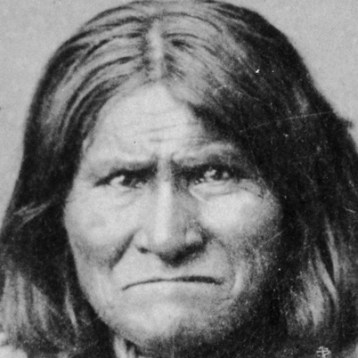
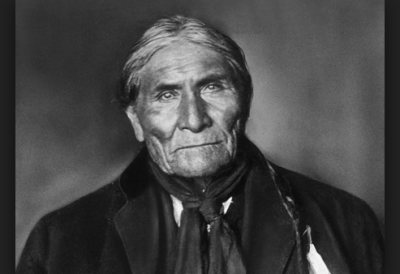
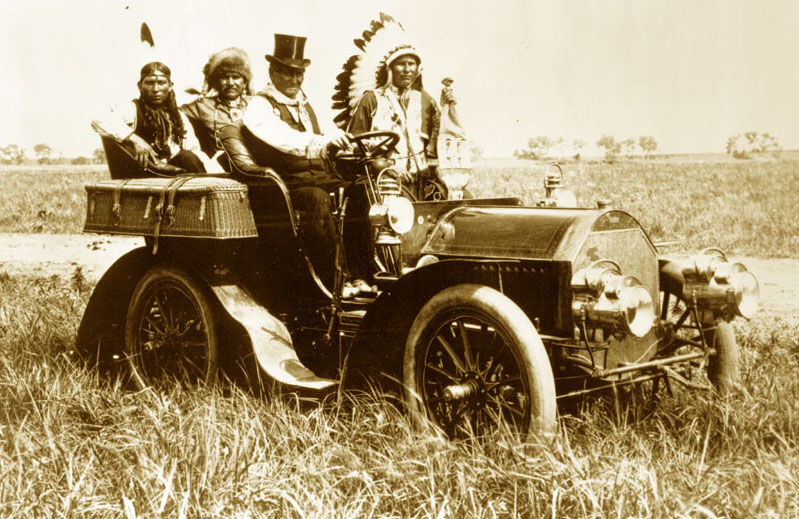
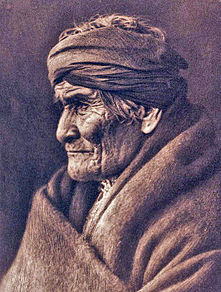 In his 1909 memoirs, Geronimo wrote of the 1904 St. Louis World’s Fair: “I am glad I went to the Fair. I saw many interesting things and learned much of the white people. They are a very kind and peaceful people. During all the time I was at the Fair no one tried to harm me in any way. Had this been among the Mexicans I am sure I should have been compelled to defend myself often”.
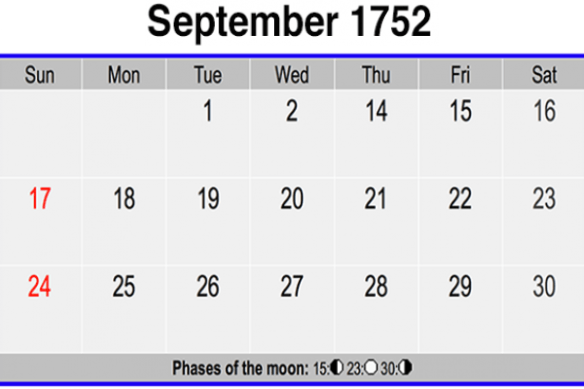
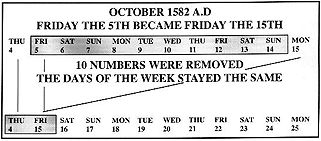

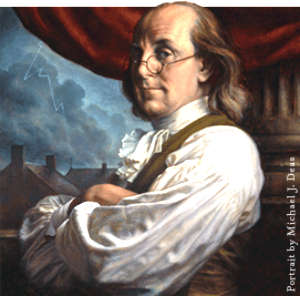 Benjamin Franklin seems to have liked the idea, writing that, “It is pleasant for an old man to be able to go to bed on September 2, and not have to get up until September 14.”



 Historical Easter Eggs - Today in History
You must be logged in to post a comment.