

According to Christian tradition, Jesus of Nazareth was condemned to death in the year 33AD. He was crucified on Mount Golgotha, his body buried in a tomb carved out of the rock of a nearby garden. After three days, Jesus rose from the dead. From that moment to this, the Tomb of the Resurrection has been at the center of all Christian faith.
 In 132, the Roman Emperor Hadrian all but erased all sign of Jewish and Christian presence, in the old city of Jerusalem. Golgotha and the Tomb were obliterated, and a pagan temple to Venus Aphrodite was raised in their place.
Constantine the Great, Rome’s first Christian Emperor, destroyed the pagan temple in the 330s, bringing the tomb back to light and building a magnificent complex on the site. The Church of the Holy Sepulchre.
It was almost 300 years later that, according to Islamic faith, the Angel Gabriel revealed the Word of God (Allah) to the prophet Muhammad. In the years following the death of Muhammad in 632, the armies of the Rashidun or “Rightly Guided” Caliphs swept across the Arabian peninsula and laid siege to Jerusalem, conquering the city in 637. The Rashidun Caliphate was replaced by the Umayyad a short 24 years later, only to be replaced by the Abbassid, in 750. Within 400 years, these first three Caliphates in the history of Islam had expanded the faith from the borders of China and India, to Visigothic Spain. Five million square miles, larger than any modern state, with the sole exception of the Russian Federation.
In the years that followed, Jews and Christians were able to practice their faith in the conquered city with varying degrees of freedom. That came to an end in 1009.
 Al-Hakim bi-Amr Allah, (literally “Ruler by God’s Command”) was the 6th Caliph of the Fatimid Dynasty, coming to power in October of 996.
He was the “Mad Caliph”, the “Nero of Islam”. In September of 1009, Al-Hakim ordered the destruction of all churches, synagogues, Torah scrolls and other religious artifacts throughout Jerusalem, Syria and Egypt. Most especially the Church of the Holy Sepulchre, whose destruction was carried out on this day, October 18, 1009.
The Church of Calvary and the Martyrium were demolished, and the Edicule of the Tomb dismantled. Furnishings and equipment were stolen or destroyed. So complete was its destruction that the rock beneath its foundation was hacked, and then the rubble set ablaze. Only remnants of the Constantinian structures of the Anastasis remained, submerged under demolition debris.
All of Christendom recoiled in horror, at the desecration. It was no small part of what led to the 1st Christian Crusade to retake Jerusalem, though that wouldn’t take place for another 100 years.
Unlike the Fatimid Caliphs who came before, Al-Hakim persecuted the “dhimmis” under his control, launching campaigns of destruction throughout Palestine and Syria in 1011 and again in 1013-14.

The reasons are unclear. Christians and Jews had had relatively cordial relations with the Caliphs who had come before, but Al-Hakim was different. Some believed his every action to be right and just, others that he was overcompensating for being borne of a Christian mother.
Many believed he was simply insane.
Al-Hakim became increasingly erratic in the following years, issuing edicts forbidding the eating of certain foods, dictating what fishermen were permitted to catch, and prohibiting chess. Women were proscribed from going outside. Shoemakers were forbidden from making women’s shoes. One day he ordered Christians and Jews to convert to Islam, the next day he’d rescind the order. Hakim would personally murder or cut off the hands of slave or dignitary, without warning, and without reason. He was feared by Muslim and Christian emissaries alike.
The Church of the Holy Sepulchre was rebuilt between 1042-1055 with funding from Byzantine emperor Constantine IX Monomachus, though it would never regain the magnificence of Constantine’s original structure.

Al-Hakim himself went out for a ride one night in October 1021, and never returned. All that was ever found of him was his blood stained clothing, and his donkey.


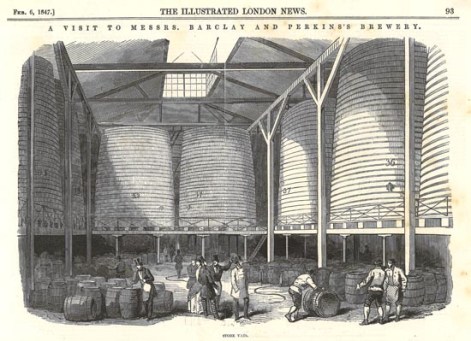 The Meux’s Brewery Co Ltd, established in 1764, was a London brewery owned by Sir Henry Meux. What the Times article was describing was a 22′ high monstrosity, held together by 29 iron hoops.
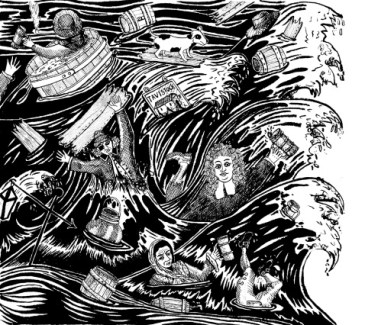 323,000 imperial gallons of beer smashed through the brewery’s 25′ high brick walls, gushing into the streets, homes and businesses of St. Giles. The torrent smashed two houses and the nearby Tavistock Arms pub on Great Russell Street, where a 14-year-old barmaid named Eleanor Cooper was buried under the rubble.
 In the days that followed, the crushing poverty of the slum led some to exhibit the corpses of their family members, charging a fee for anyone who wanted to come in and see. In one house, too many people crowded in and the floor collapsed, plunging them all into a cellar full of beer.

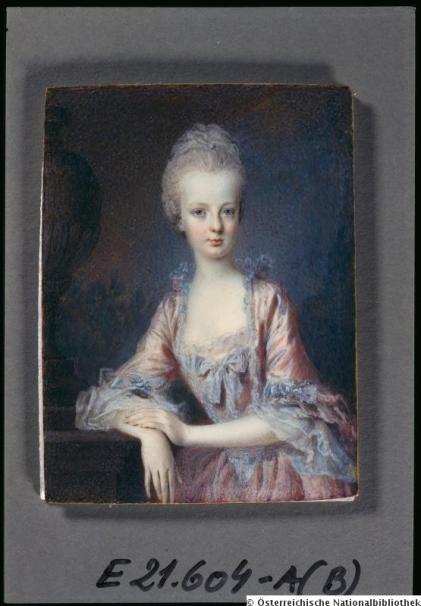 There was a second, ceremonial wedding held in May, after which came the ritual bedding. This wasn’t the couple quietly retiring to their own private space. This was the bizarre spectacle of a room full of courtiers, peering down at the proceedings, to make sure the marriage was consummated.
 Louis-Auguste was crowned Louis XVI, King of France, on June 11, 1775. Antoinette remained by his side, though she was never crowned Queen, instead remaining Louis’ “Queen Consort”.
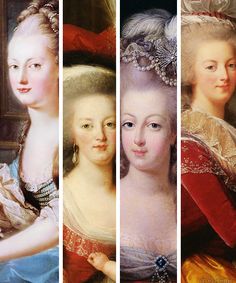 Unrest turned to barbarity as Antoinette’s friend and supporter, the Princesse de Lamballe, was taken by the Paris Commune for interrogation. She was murdered at La Force prison, her head fixed on a pike and marched through the city.
 Marie-Antoinette’s hair was cut off on October 16, 1793. She was driven through Paris in an ox cart, taken to the Place de la Révolution, and decapitated. She accidentally stepped on the executioner’s foot on mounting the scaffold. Her last words were “Pardon me sir, I meant not to do it”.

 Despite problems at home, the Dutch mail order bride found herself moving among the upper classes. She immersed herself in Indonesian culture and traditions, even joining a local dance company. It was around this time that she revealed her “artistic” name in letters home: “Mata Hari”, Indonesian for “sun” (literally, “eye of the day”), in Sanskrit.
 British reporter Henry Wales described the execution, based on an eyewitness account. Unbound and refusing a blindfold, Mata Hari stood alone to face her firing squad. After the shots rang out, Wales reported that “Slowly, inertly, she settled to her knees, her head up always, and without the slightest change of expression on her face. For the fraction of a second it seemed she tottered there, on her knees, gazing directly at those who had taken her life. Then she fell backward, bending at the waist, with her legs doubled up beneath her.”

 Great believers in the perfectibility of the public sphere, Progressives eschewed old methods as wasteful and inefficient, leaning instead toward the advice of academics and “experts”, looking for that “one best way” to get things done.
 Roosevelt retired from politics after two terms to go on African safari, backing William Howard Taft for the Republican nomination.


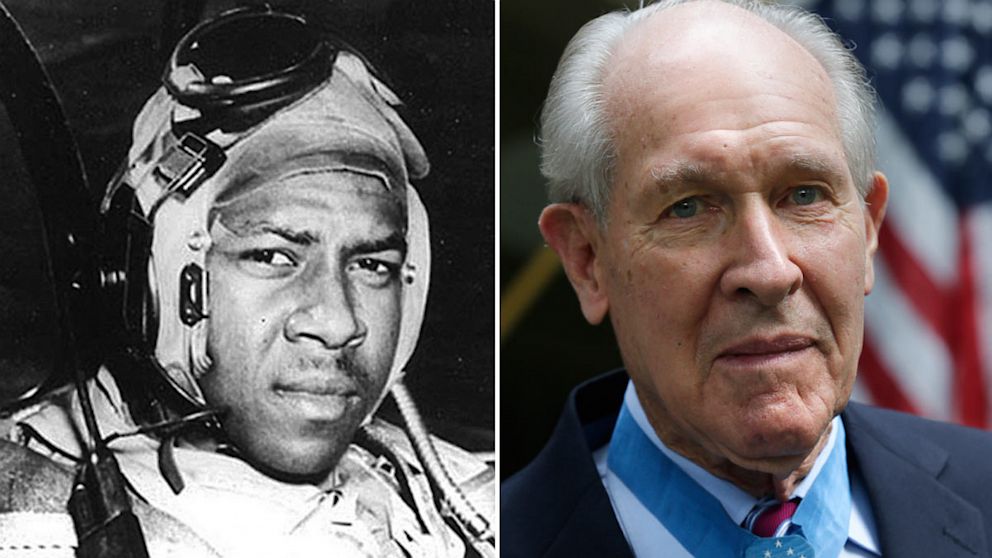

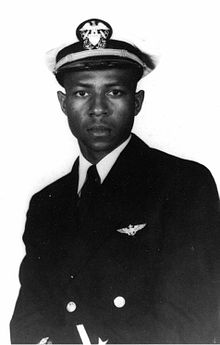
 Hudner pleaded with authorities the following day to go back to the crash site, but they were unwilling to risk further loss of life. They would napalm the crash site so that the Chinese couldn’t get to the aircraft or the body, though pilots reported that it looked like the Brown’s body had already been disturbed.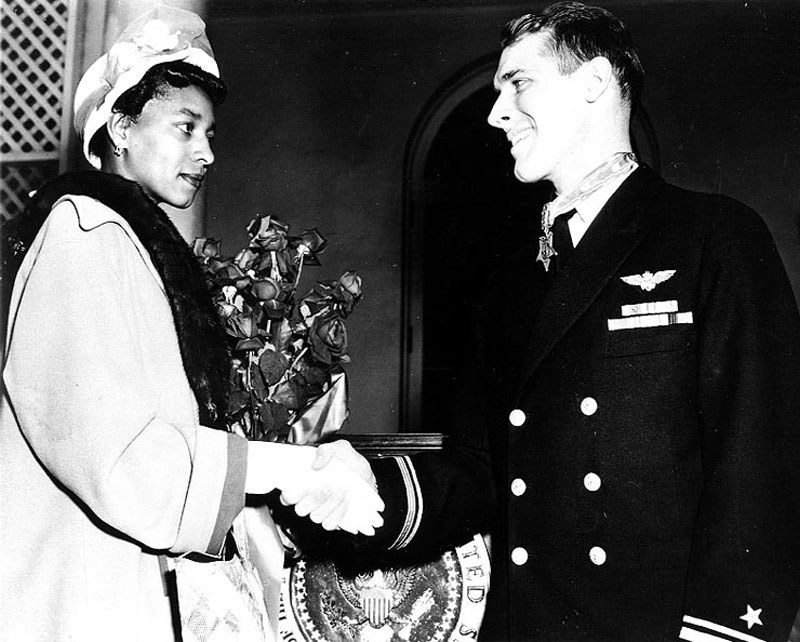


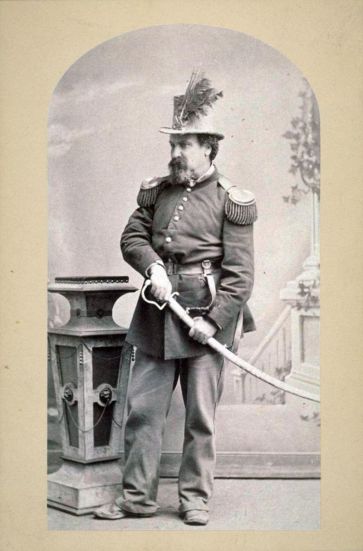 For a time, Norton disappeared from the public eye. In September 1859, he proclaimed himself Emperor of the United States, his Royal Ascension announced to the public in a letter to the editor of the San Francisco Bulletin. “At the peremptory request and desire of a large majority of the citizens”, it read, “I, Joshua Norton…declare and proclaim myself Emperor of these United States.” The letter went on to command representatives from all the states to convene in San Francisco, “to make such alterations in the existing laws of the Union as may ameliorate the evils under which the country is laboring.”
 That December, Norton fired Virginia Governor Henry Wise for hanging abolitionist John Brown, appointing then-vice President John C. Breckinridge in his stead.
 Norton wore an elaborate blue uniform with gold epaulettes, carrying a cane or saber and topped off with beaver hat with peacock feather. By day he “inspected” the streets and public works of San Francisco, by night he would dine in the city’s finest establishments. No play or musical performance would dare open in the city, without reserved balcony seats for Emperor Norton.
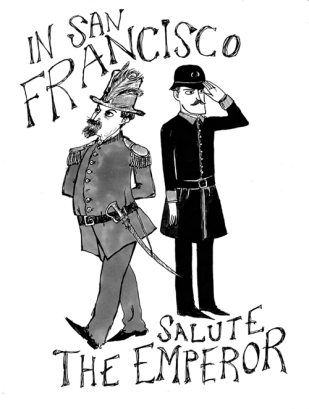 In 1867, police officer Armand Barbier arrested Norton, attempting to have him involuntarily committed to an insane asylum. The public backlash was so vehement that Police Chief Patrick Crowley ordered Norton’s release and issued a public apology. The episode ended well, when Emperor Norton magnanimously pardoned the police department. After that, San Francisco cops saluted Emperor Norton whenever meeting him in the street.
 The San Francisco Board of Supervisors once bought him a new uniform, when the old one got too shabby. Norton responded with a very nice thank you note, issuing each of them a “Patent of Nobility in Perpetuity”.


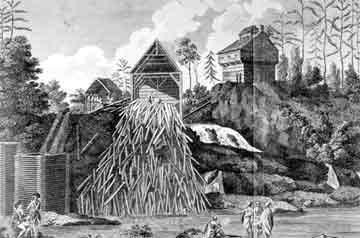

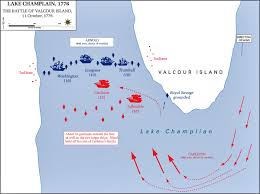 Sailing south on the 11th under favorable winds, some of the British ships had already passed the American position behind Valcour island, before realizing they were there. Some of the British warships were able to turn and give battle, but the largest ones were unable to turn into the wind.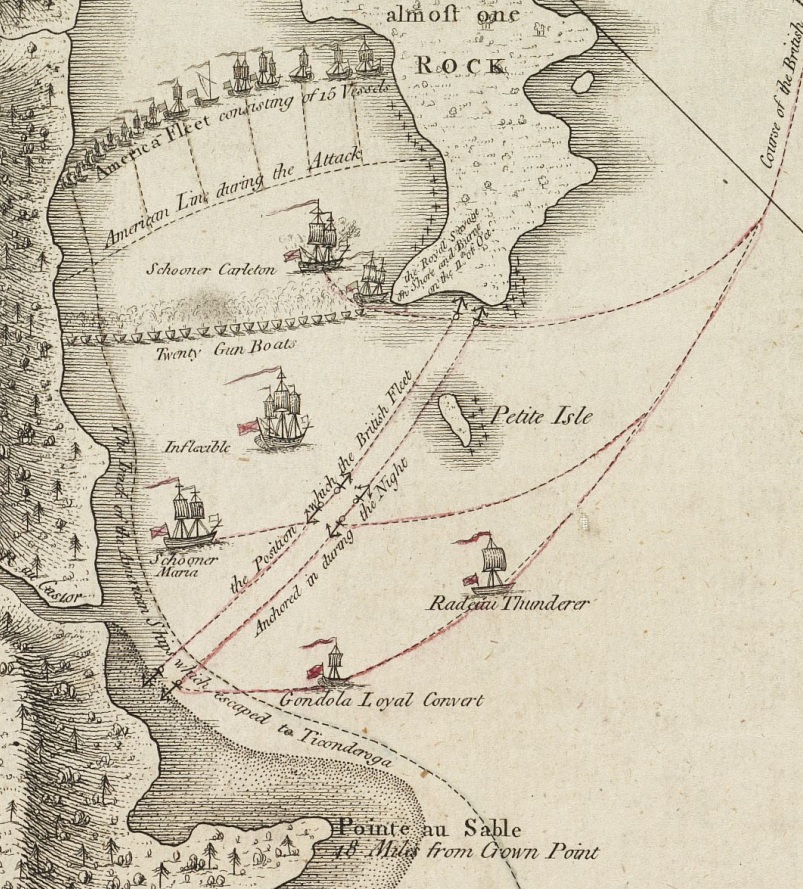
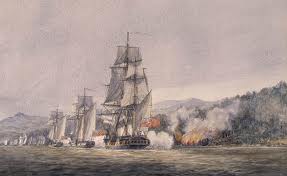 On the third day, the last four gunboats and Benedict Arnold’s flagship Congress were run aground in Ferris Bay on the Vermont side, following a 2½-hour running gun battle. Today, the small harbor is called Arnold’s Bay.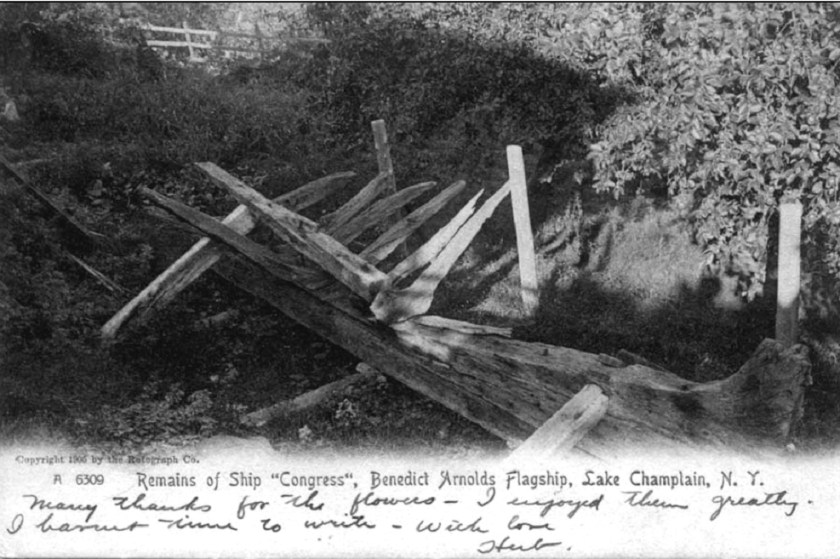

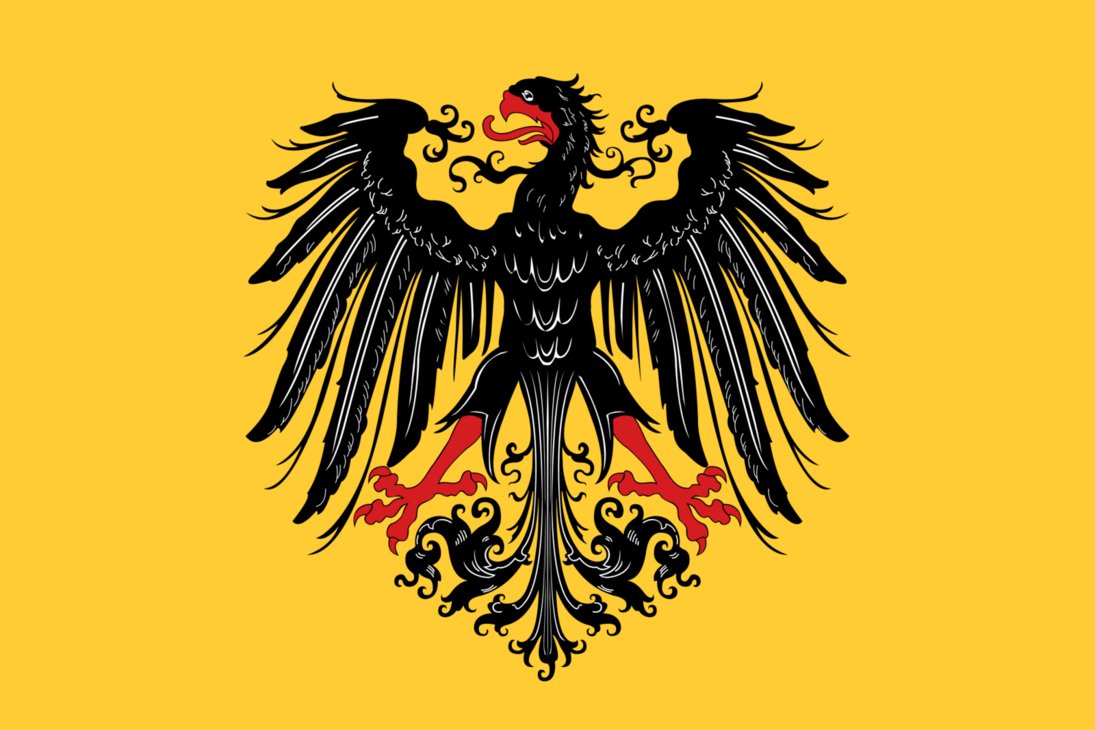

 Charlemagne led an incursion into Muslim Spain, continuing his father’s policy toward the Church when he cleared the Lombards out of Northern Italy. He Christianized the Saxon tribes to his east, sometimes under pain of death.


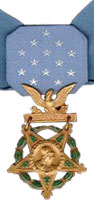
 The diary tells of a respect this man had for “Captain Boeing”. Beaten almost senseless, his arms tied so tightly that his elbows touched behind his back, Captain Pease was driven to his knees in the last moments of his life. Knowing he was about to die, Harl Pease uttered the most searing insult possible against an expert swordsman and self-styled “samurai”. Particularly one with such a helpless victim. It was the single word, in Japanese. “Once!“.
 Historical Easter Eggs - Today in History
You must be logged in to post a comment.