

The Battle of France began on May 10, 1940, with the German invasion of France and the Low Countries of Belgium, Luxembourg and the Netherlands. By the end of May, German Panzers had hurled the shattered remnants of the allied armies into the sea, at a place called Dunkirk.
The speed and ferocity of the German Blitzkrieg left the French people in shock in the wake of their June surrender. All those years their government had told them, that the strength of the French army combined with the Maginot line, was more than enough to counter German aggression.
France had fallen in six weeks.
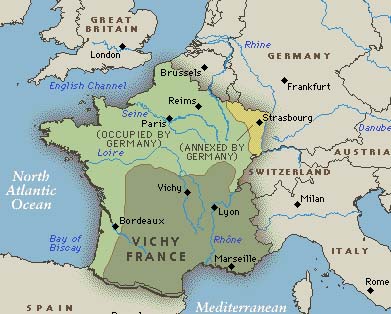 Germany installed a Nazi-approved French government in the south of France, headed by WW1 hero Henri Pétain. Though mostly toothless, the self-described “French state” in Vichy was left relatively free to run its own affairs, compared with the Nazi occupied regions to the west and north.
That changed in November 1942, with the joint British/American invasion of Morocco, Tunisia and Algeria. At the time, the north African provinces were nominally under the control of the Vichy regime. Hitler gave orders for the immediate occupation of all of France.
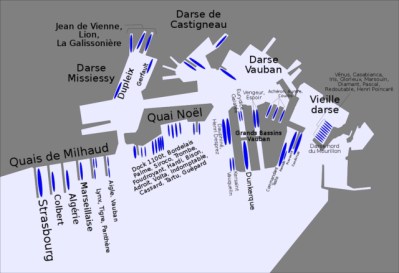 With the armistice of June 1940, much of the French naval fleet was confined to the Mediterranean port of Toulon. Confined but not disarmed, and the French fleet possessed some of the most advanced naval technologies of the age, enough to shift the balance of military power in the Mediterranean.
While many considered the Vichy government to be a puppet state, the officers and men of the French fleet had no love for their German occupiers. This was a French fleet and would remain so if they could help it, even if they had to sink it to the bottom of the ocean.
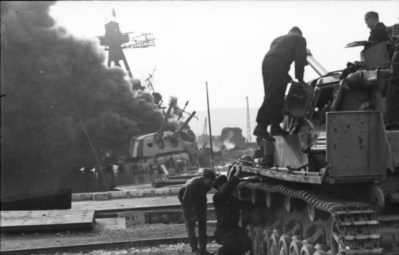 In November 1942, the Nazi government came to take control of that fleet. The motorized 7th Panzer column of German tanks, armored cars and armored personnel carriers descended on Toulon with an SS motorcycle battalion, taking over port defenses to either side of the harbor. German officers entered fleet headquarters and arrested French officers, but not before word of what was happening was relayed to French Admiral Jean de Laborde, aboard the flagship Strasbourg.
The order went out across the base at Toulon. Prepare to scuttle the fleet, and resist the advance of German troops, by any means necessary.
The German column approached the main gate to the harbor facility in the small hours of November 27, demanding access. ‘Of course,’ smiled the French guard. ‘Do you have your access paperwork?’
 Under orders to take the harbor without bloodshed, the Nazi commander was dismayed. Was he being denied access by this, his defeated adversary? Minutes seemed like hours in the tense wrangling which followed. Germans gesticulated and argued with French guards, who stalled and prevaricated at the closed gate.
The Germans produced documentation, only to be thanked, asked to wait, and left standing at the gate.
Meanwhile, thousands of French seamen worked in grim silence throughout the early morning hours, preparing to scuttle their own fleet. Valves and watertight doors were opened, incendiary and demolition charges were prepared and placed.
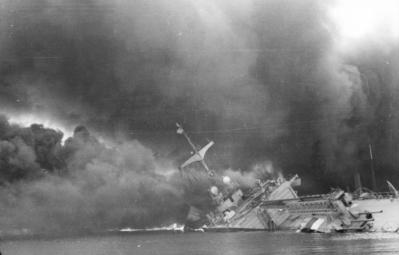
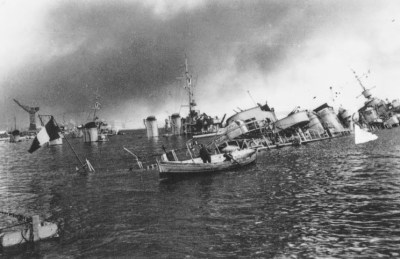 Finally, the Panzer column could be stalled no more. German tanks rumbled through the main gate at 5:25am, even as the order to scuttle passed throughout the fleet. Dull explosions sounded across the harbor, as fighting broke out between the German column, and French sailors pouring out of their ships in the early dawn light. Lead German tanks broke for the Strasbourg, even now pouring greasy, black smoke from its superstructure, as she settled to the bottom.
The Germans could only look on, helpless, as a dying fleet escaped their grasp. In the end, 3 battleships, 7 cruisers, 15 destroyers, 13 torpedo boats, 6 sloops, 12 submarines, 9 patrol boats, 19 auxiliary ships, 28 tugs, 4 cranes and a school ship, were destroyed. 39 smaller vessels of negligible military value fell into German hands along with twelve fleet vessels, all of them damaged.
The fires would burn, for weeks. The harbor at Toulon would remain fouled and polluted, for years.
The French Navy lost 12 men killed and 26 wounded on that day, 75 years ago, today. The loss to the Nazi war effort, is incalculable. How many lives could have been lost can never be known, had Nazi Germany come into possession of all that naval power. But for the bravery of a vanquished, but still unbeaten, foe.


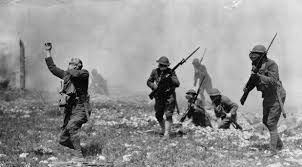
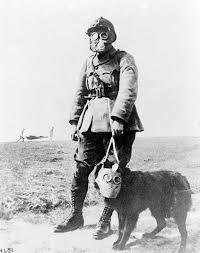 Imperial Germany, its army disintegrating in the field and threatened with revolution at home, had sent a peace delegation, headed by the 43-year-old German politician Matthias Erzberger.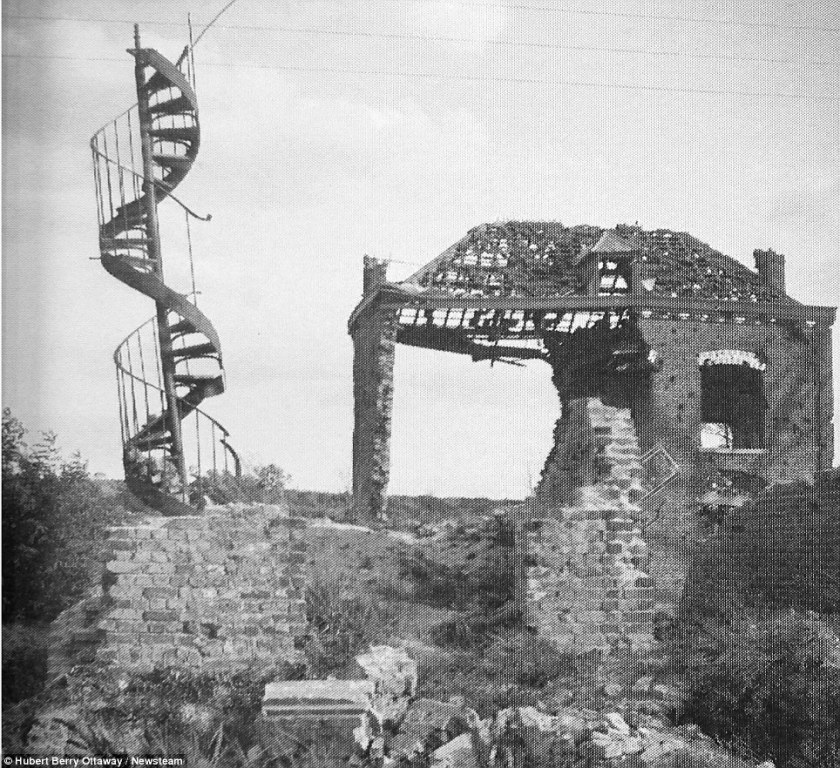
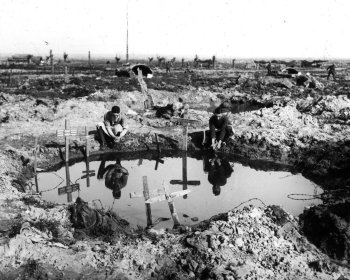 Foch informed Ertzberger that he had 72 hours in which to respond. “For God’s sake, Monsieur le Marechal”, responded the German, “do not wait for those 72 hours. Stop the hostilities this very day”. By this time, 2,250 were dying every day on the Western Front, yet the plea fell on deaf ears. Fighting would continue until the last minute of the last day.
 At least 320 Americans were killed in those final six hours, 3,240 seriously wounded.
 Matthias Erzberger was assassinated in 1921, for his role in the surrender. The “Stab in the Back” mythology destined to become Nazi propaganda, had already begun.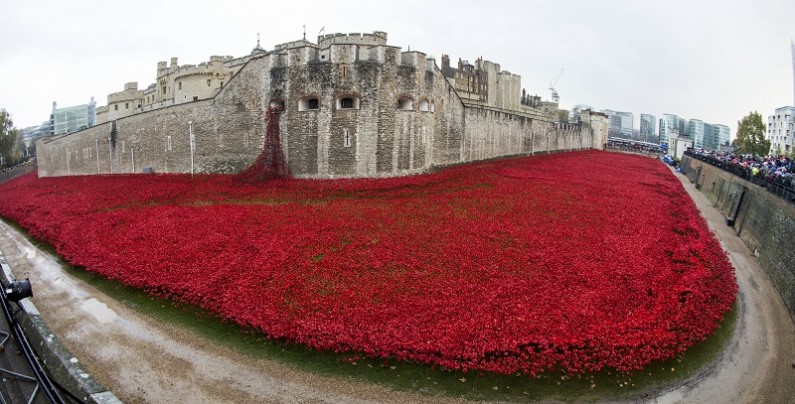






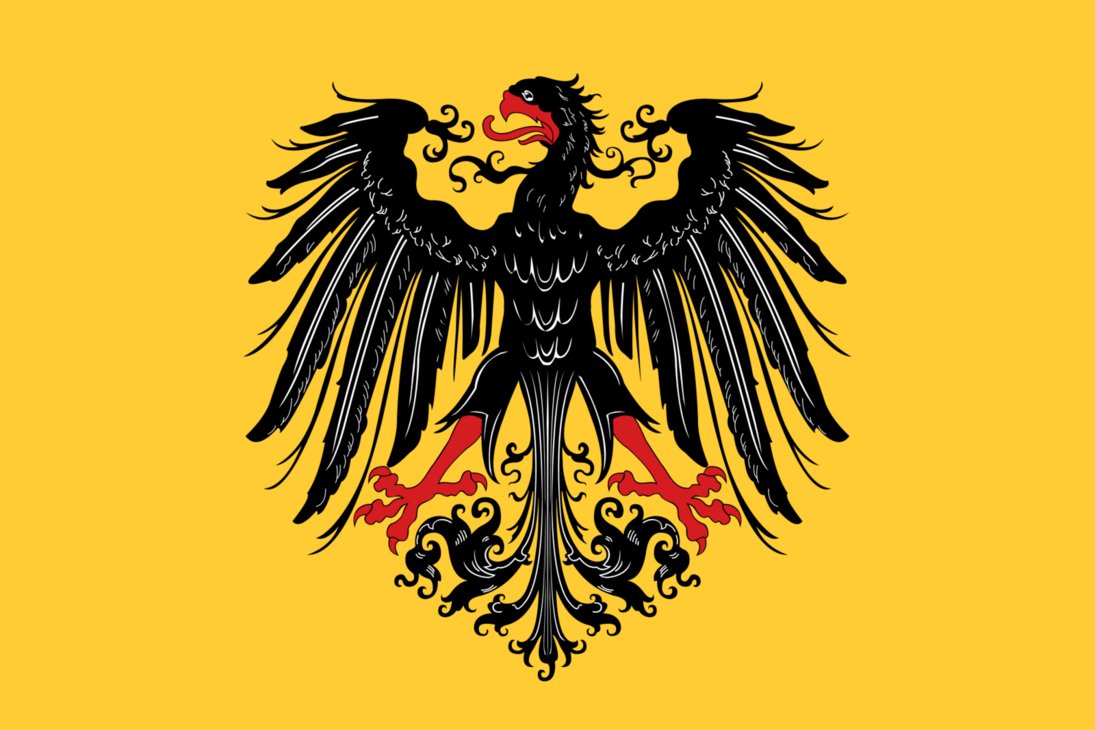

 Charlemagne led an incursion into Muslim Spain, continuing his father’s policy toward the Church when he cleared the Lombards out of Northern Italy. He Christianized the Saxon tribes to his east, sometimes under pain of death.

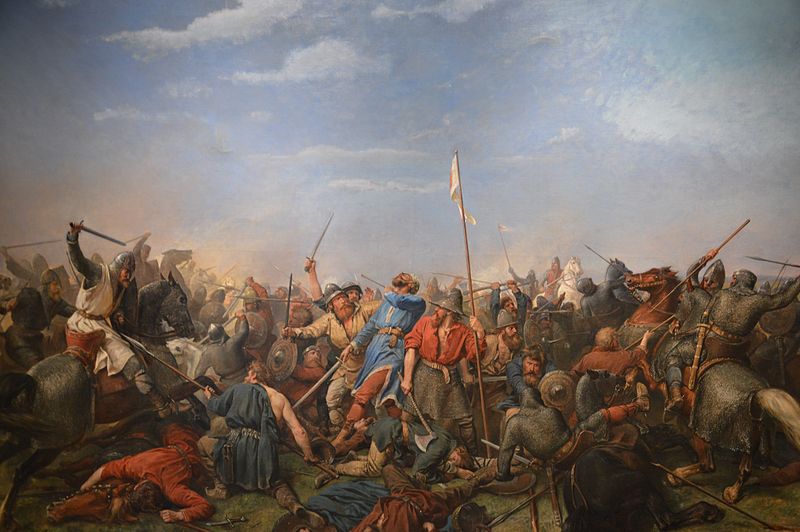
 Tostig sailed for England with King Harald and a mighty army of 10,000 Viking warriors, meeting the northern Earls Edwin and Morcar in battle at Fulford Gate, on September 20.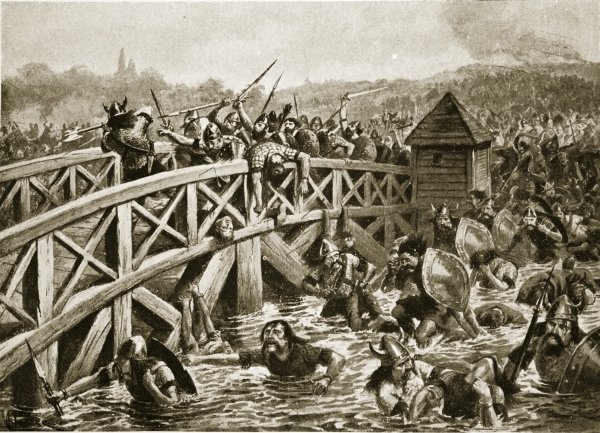
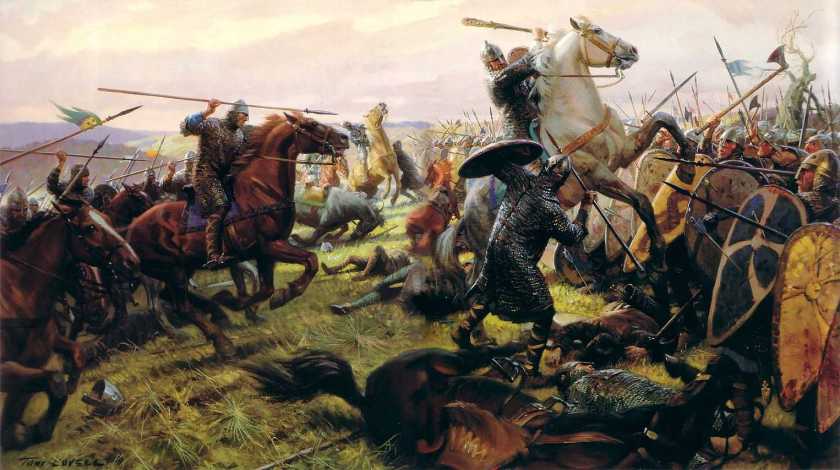


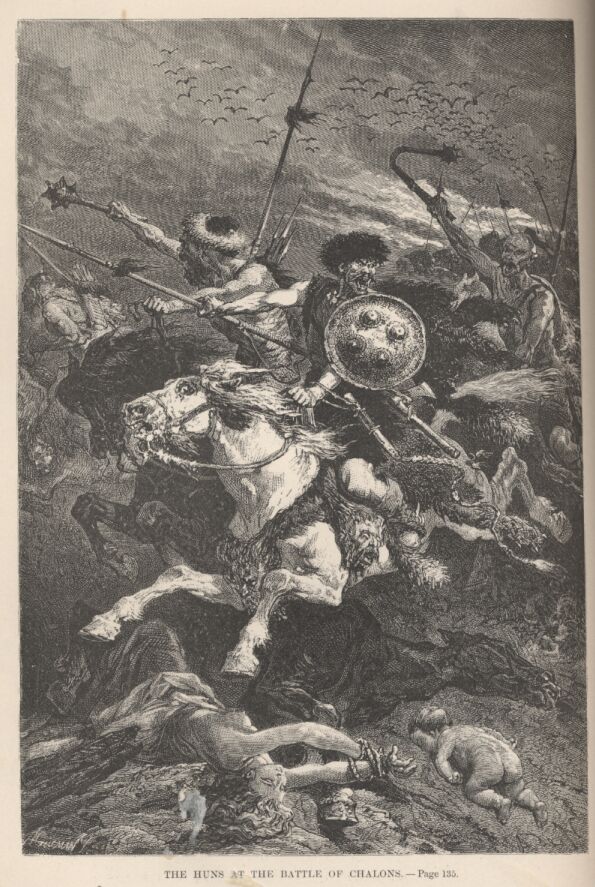
 Vast populations moved westward from Germania during the early fifth century, and into Roman territories in the west and south. They were Alans and Vandals, Suebi, Goths, and Burgundians. There were others as well, crossing the Rhine and the Danube and entering Roman Gaul. They came not in conquest: that would come later. These tribes were fleeing the Huns: a people so terrifying that whole tribes agreed to be disarmed, in exchange for the protection of Rome.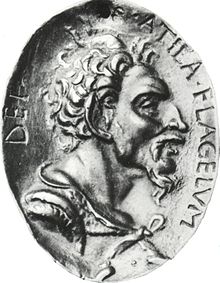

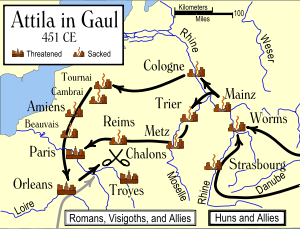 Valentinian was furious with his sister. Only the influence of their mother Galla Placidia convinced him to exile rather than have her put to death, while he frantically wrote to Attila saying it was all a misunderstanding.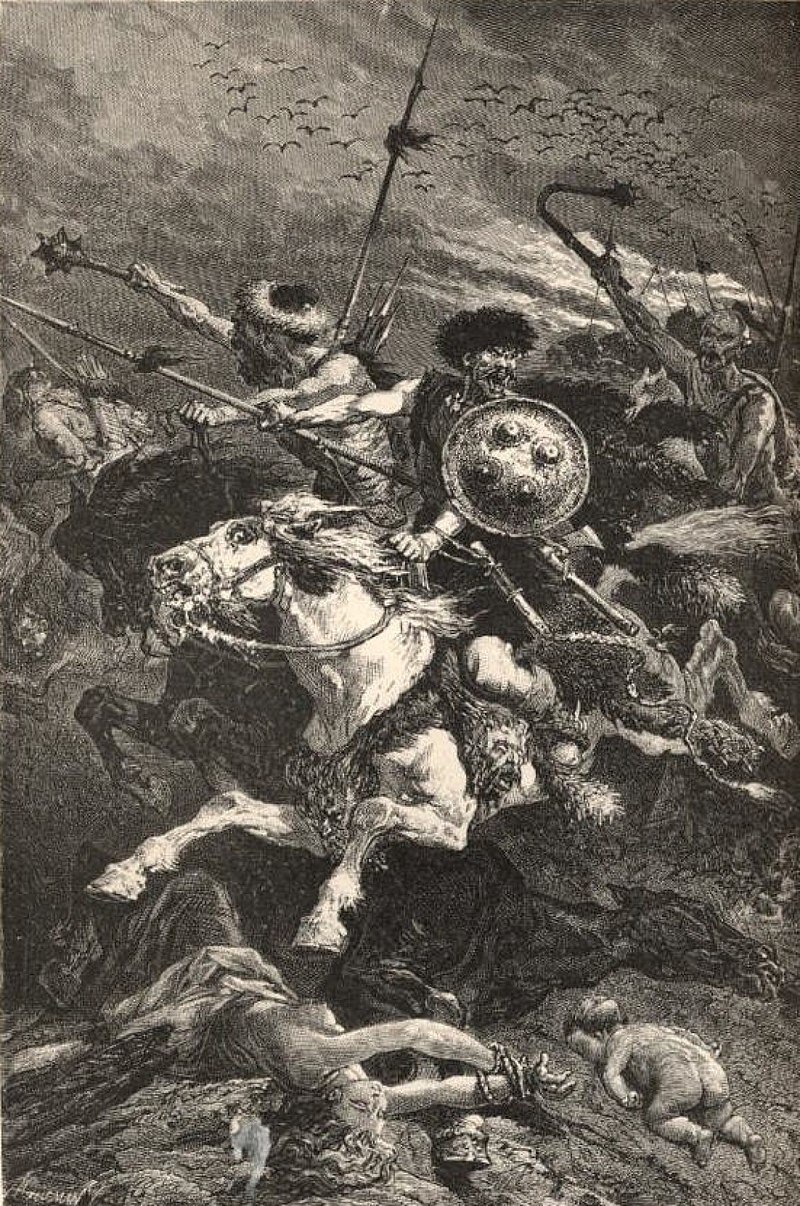

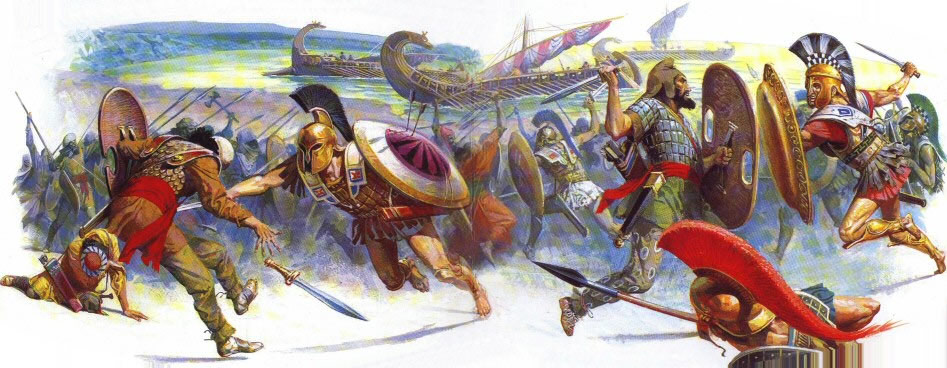
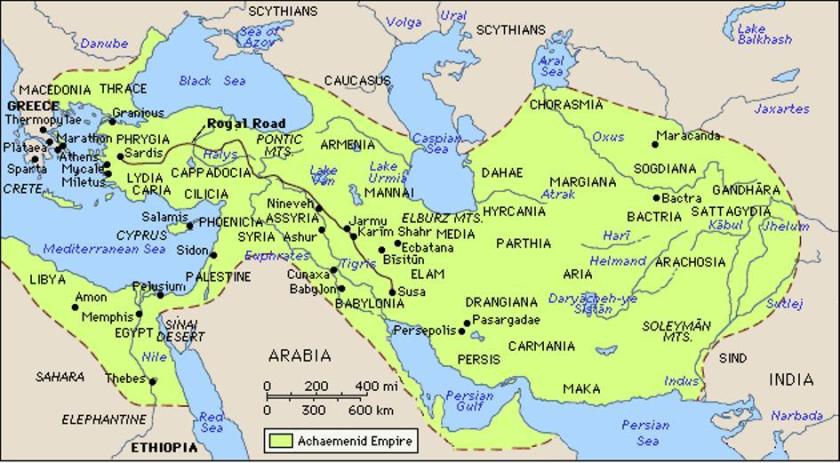

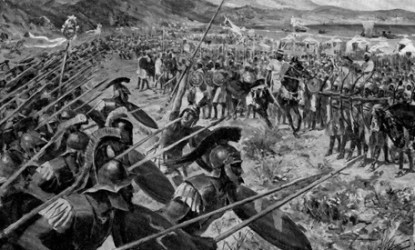 Weighed down with 70lbs per man of bronze and leather armor, the Greek line likely marched out to 200 yards, the effective range of Persian archers. Greek heavy infantry closed the last 200 meters at a dead run, the first time a Greek army had fought that way.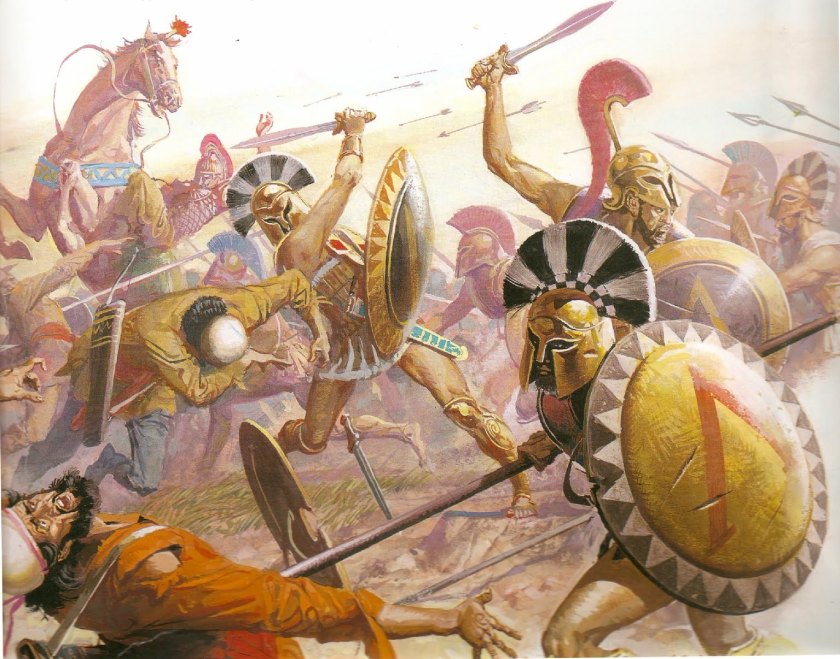

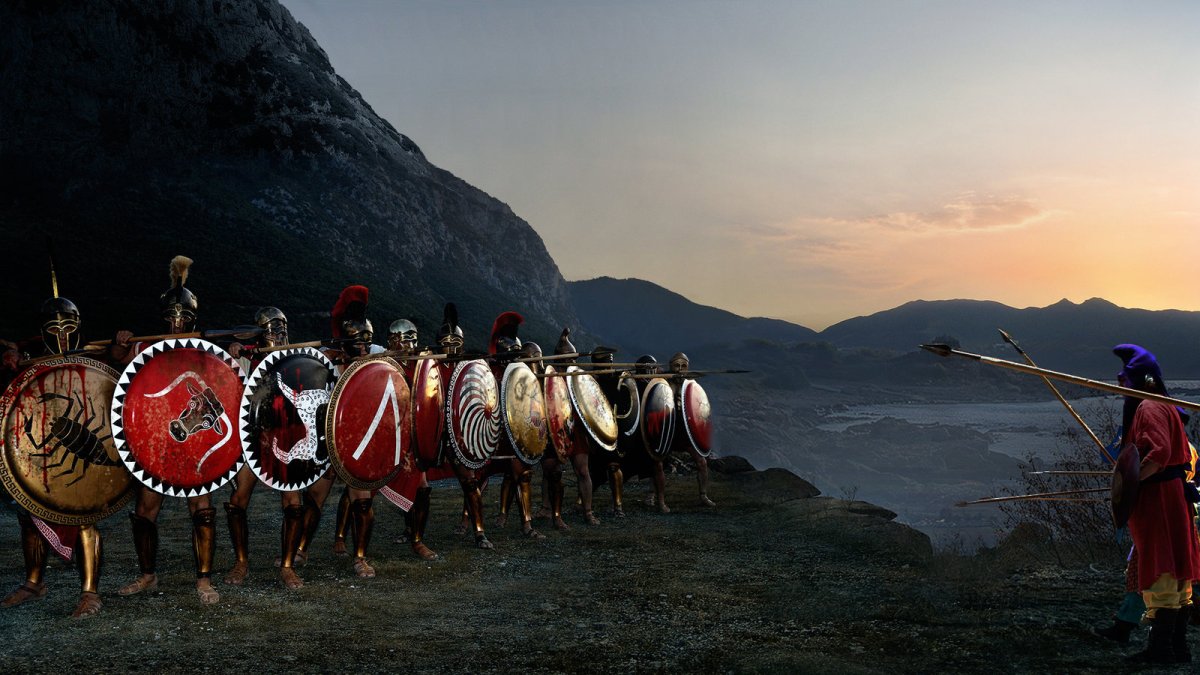
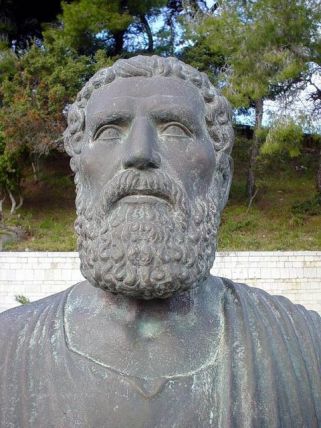
 The 300 marched out at the head of an allied army of 7,000, to meet a Persian army which modern estimates put at 100,000 to 150,000. A native of Trachis told the Spartan General Dienekes, that Persian archers were so numerous their arrows would block out the sun. “Good”, replied Dienekes. “Then we shall fight in the shade”.
 Knowing he was betrayed and would soon be surrounded, Leonidas sent most of the allied soldiers away. They would be needed for the battle yet to come.



 glazed at some future date.

 In 1862, the California legislature passed a tax on Chinese residents, entitled “An Act to Protect Free White Labor against Competition with Chinese Coolie Labor, and to Discourage the Immigration of Chinese into the State of California.”
 In the first century AD, Roman Emperors Nero and Vespasian levied a tax on piss. Honest. In those days, the lower classes pee’d into pots which were emptied into cesspools.



 Historical Easter Eggs - Today in History
You must be logged in to post a comment.